Why Fermentation is Crucial for Pizza Dough
Good pizza dough isn't just about flour, water, and yeast. The right fermentation is key to taste, airiness, and digestibility. Terms like bulk fermentation and proofing pop up all the time – but what do they actually mean, and what role do they play in truly excellent pizza?
In this article, you'll learn what's behind the different fermentation stages and how to take your dough to the next level.
What Does "Fermentation" Even Mean?
Fermentation (or "Gare" in German) describes the resting and rising time of a dough. During this time, yeast processes sugar and starch, produces carbon dioxide, and develops aromas.
A good fermentation brings:
- better flavor
- an airier crust
- better digestibility
- an elastic, easy-to-shape dough
- a nicer browning when baked
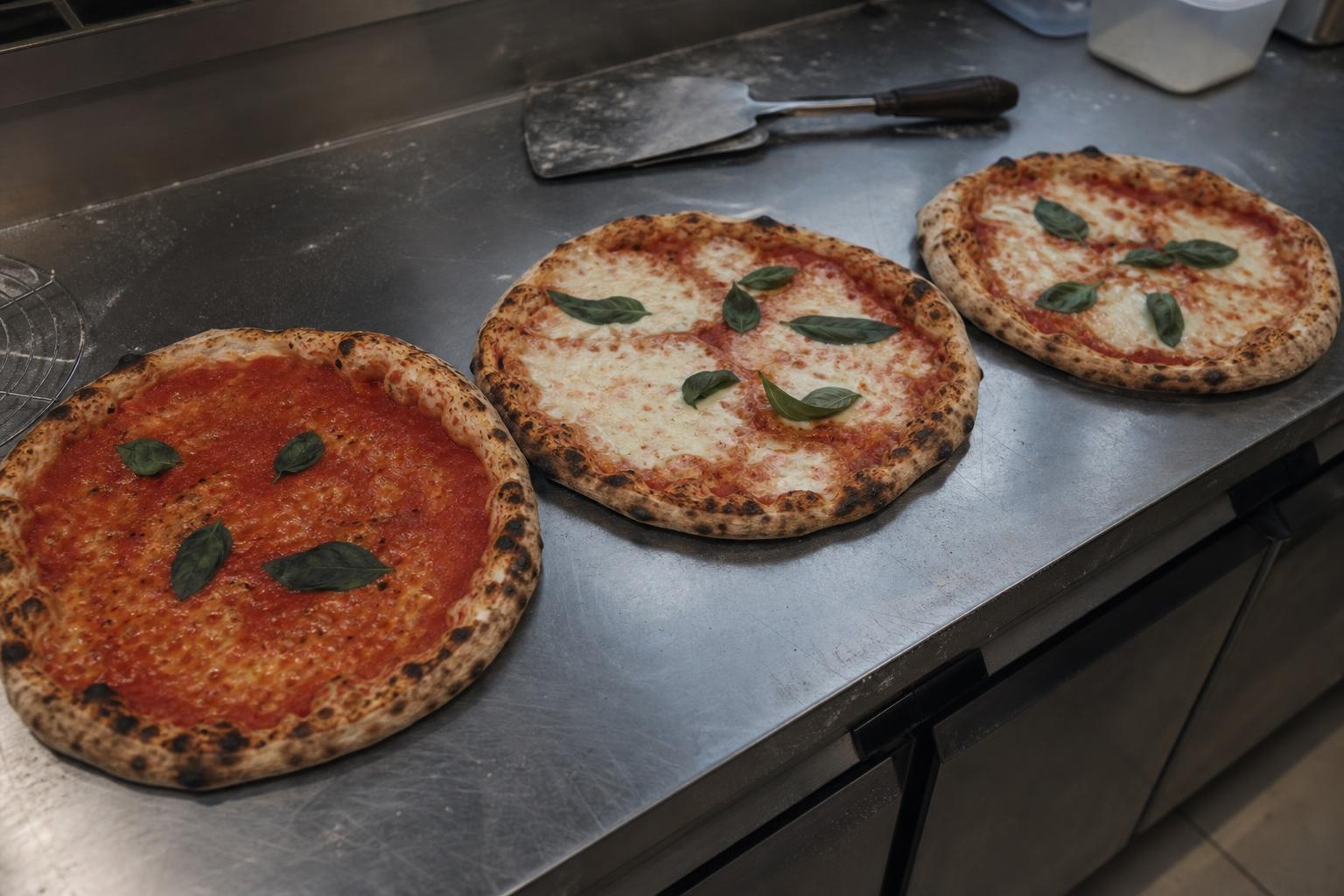
Especially for pizza, the right fermentation often determines the difference between "okay" and "wow".
Bulk Fermentation
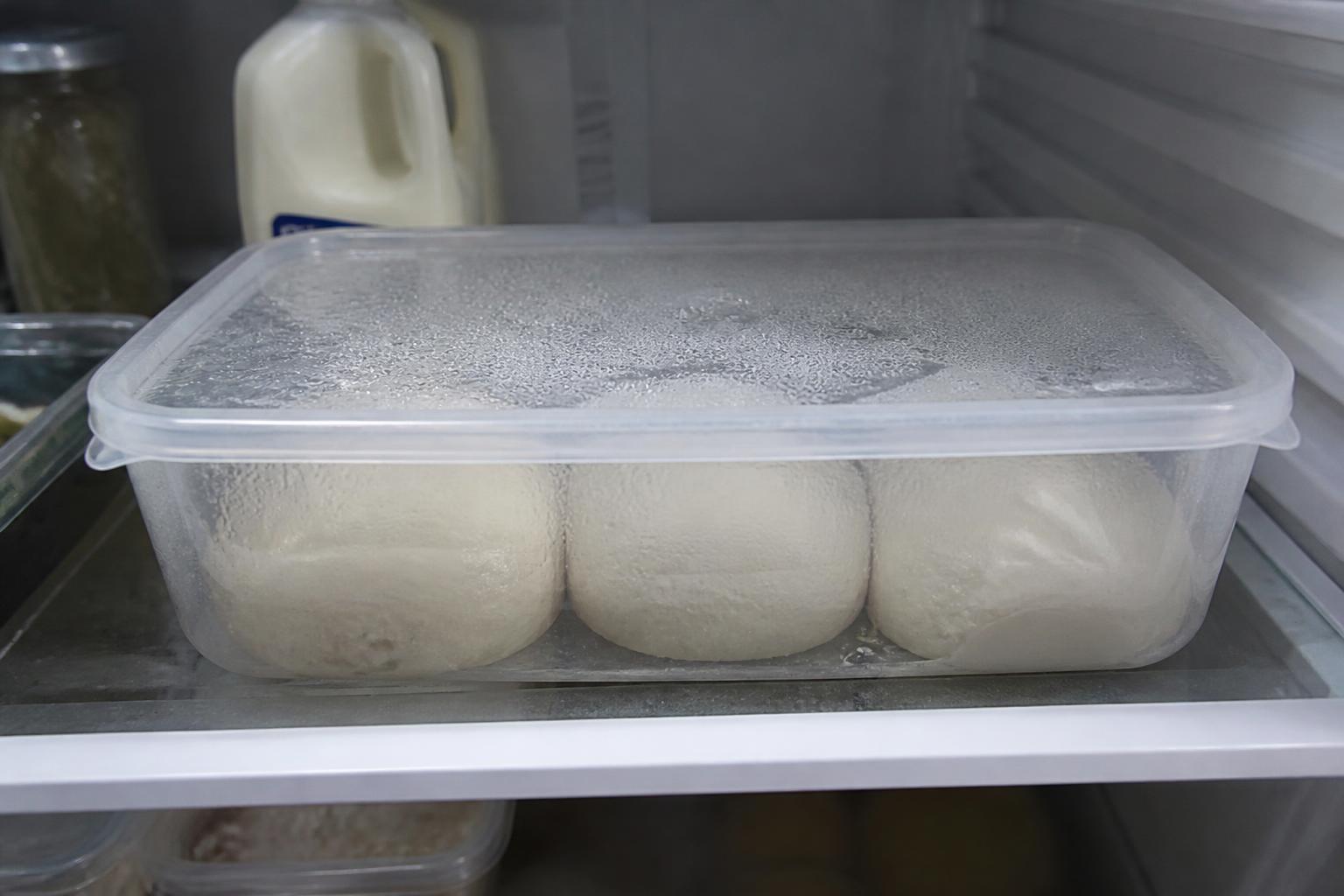
Bulk fermentation is the first fermentation stage right after kneading. The entire dough rests as one large mass in a bowl or dough box – before it's portioned.A lot happens at once in this stage:
- the yeast starts to work actively
- the gluten structure develops and stabilizes
- initial fermentation gases are produced
- complex aromas build up
Bulk fermentation primarily influences the dough's flavor, structure, and elasticity.
How long does bulk fermentation take? That depends heavily on temperature and yeast quantity.| Temperature | Typical Duration |
|---|---|
| Room temperature | 2 to 6 hours |
| Refrigerator | 24 to 72 hours |
Many pizzaiolos prefer a long, cold bulk fermentation because it makes the dough more aromatic and digestible.
Proofing (Stückgare)
After bulk fermentation, the dough is portioned and shaped into individual dough balls. This is followed by proofing (also called "Stückgare" or final proofing).
During this stage:
- the dough balls relax
- tension builds up at the same time
- volume develops
- the dough becomes smooth and pliable
Good proofing ensures that the pizza can be easily opened later and gets a beautiful, airy crust.
How long does proofing take? Typically 2 to 6 hours at room temperature or several hours in the refrigerator. Important: The dough should have enough time to come to temperature before baking – otherwise, it will be difficult to stretch.Other Important Fermentation Stages
Autolyse
In autolyse, only flour and water are mixed first – without salt and yeast. The dough then rests for 20 to 60 minutes. This brings:
- better water absorption
- a more stable gluten structure
- less kneading time
- a more elastic dough
Ball Fermentation
Ball fermentation is essentially another term for proofing (Stückgare) in pizza. It refers to the resting phase of the individual dough balls.
Cold Fermentation
Many modern pizza doughs rely on a long, cold fermentation in the refrigerator. Advantages:
- more intense flavor
- better digestibility
- nicer browning
- a more stable, predictable dough
Especially for Neapolitan pizza, New York style, and contemporary pizza, cold fermentation is standard today.
Common Fermentation Mistakes
Over-fermentation – the dough has gone too far:- it collapses
- it loses tension
- it becomes sticky
- it is difficult to shape
- it tears easily
- it develops little airiness
The right timing between these two extremes is the core of any good fermentation.
Conclusion: Good Pizza Needs Time
Fermentation is one of the most important factors for truly great pizza dough. Especially the interplay of bulk fermentation and proofing determines taste, texture, and airiness. Anyone who gives their dough enough time will be rewarded with significantly better pizza.