What is Contemporary Pizza?
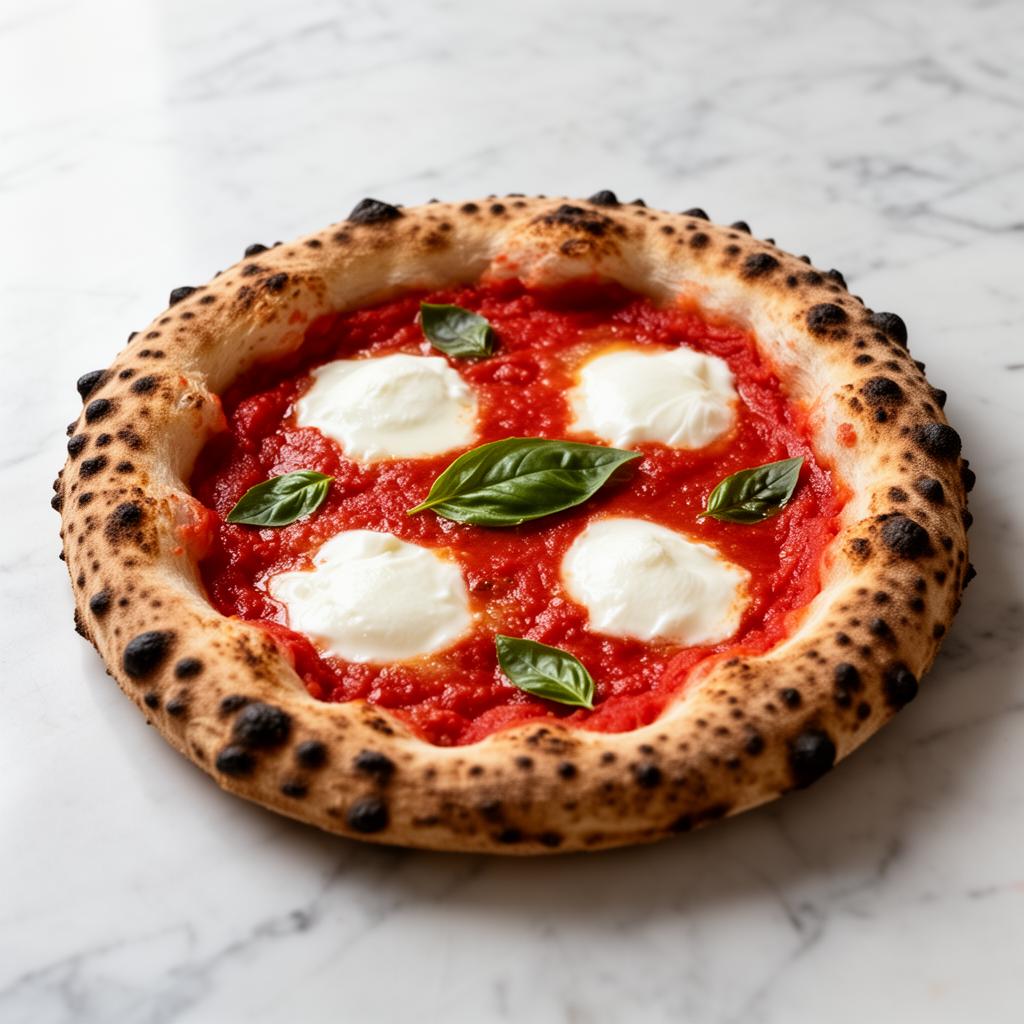
Contemporary Pizza isn't a national style in the classic sense, but an attitude: It takes the techniques of Italian pizza tradition and liberates them from rigid rules. The goal is a dough that is lighter, airier, and more aromatic – without the pizza only looking good on Instagram.The focus is on:
- higher hydration than the classic model
- longer, controlled fermentation
- modern dough techniques like autolysis, coil folds, and preferments
- a crust that consciously carries texture and character
- less dogma, more artisanal precision
Many proponents of this movement come from Italy, but its influence is now felt worldwide. The best Contemporary Pizza never feels forced – it feels like the logical evolution of what pizza always wanted to be.
Where Does the Movement Come From?
The roots lie in Neapolitan pizza culture. Over the last two decades, pizzaiolos began to question the traditional schema: Why not more water? Why not let it ferment longer? Why not celebrate the crust as an active flavor element?
Cities like Rome, Naples, and Milan became experimental grounds. Pizzaiolos worked with stronger flours, longer cold fermentation, and new shaping techniques. What started as an insider development has now found its way into modern pizzerias on all continents.
Important: Contemporary Pizza does not replace tradition. It assumes you understand the rules before you deliberately bend them.
The Difference to Classic Neapolitan Pizza
| Aspect | Classic Neapolitan | Contemporary Pizza |
|---|---|---|
| Hydration | approx. 58–65 % | often 70–85 % |
| Fermentation | 8–24 hours | often 24–96 hours |
| Flour Strength (W) | 260–320 | 320–380+ |
| Cornicione | 1–2 cm, compact | 3–8 cm, very airy |
| Yeast | classic amounts | often minimal |
| Rulebook | AVPN Disciplinaire | no fixed rules |
The biggest technical difference is hydration. More water means more steam in the dough, which expands into large air pockets during the short baking process. At the same time, the dough becomes more extensible and delicate – which necessitates long fermentation and strong flour.
Hydration & Dough Structure
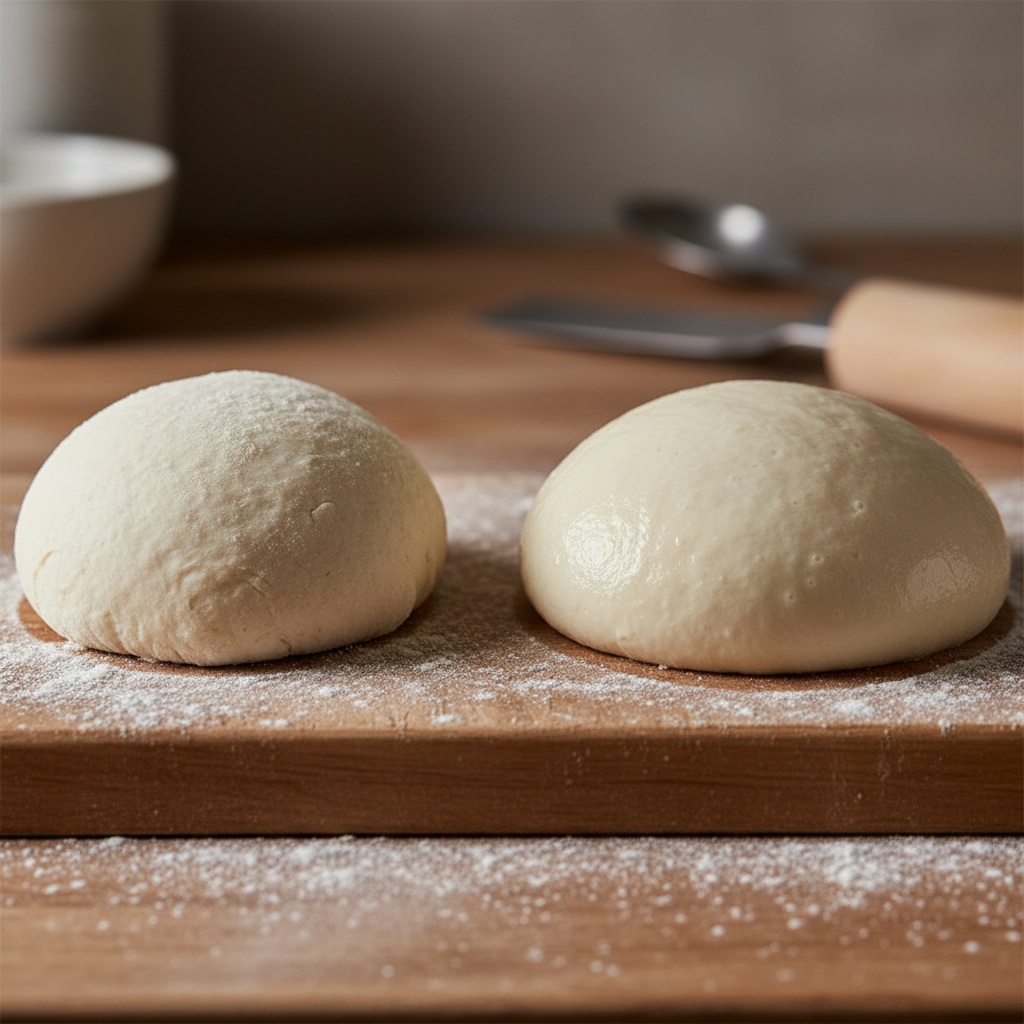
Contemporary pizza doughs typically range between 70 and 85 percent hydration. That sounds like a lot, but it's not an end in itself: The extra water is meant to create structure, not mush.
What results from this:
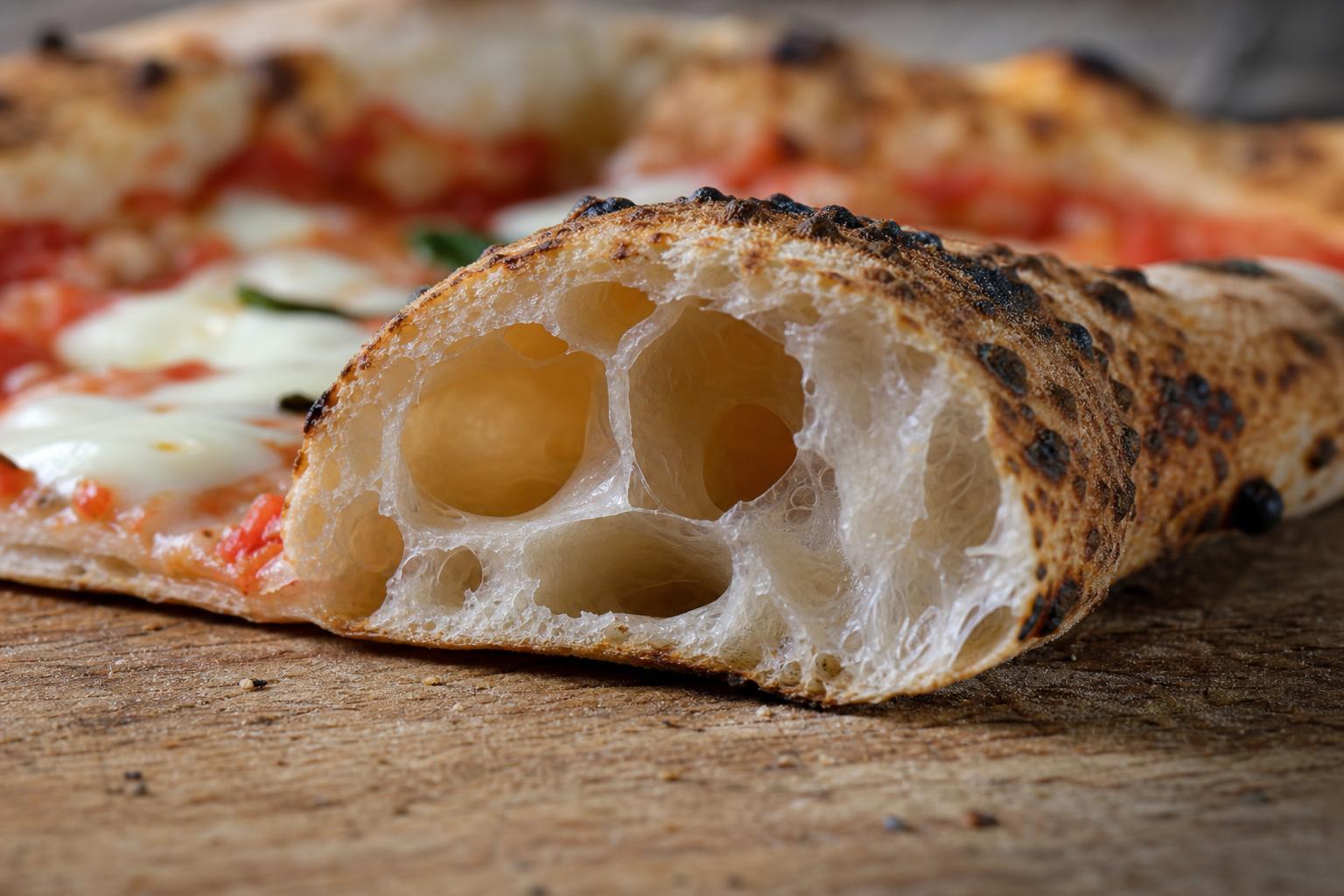
- an open, loose crumb
- larger, irregular air pockets
- a soft, elastic interior
- a crust that expands significantly during baking
For this to work, the flour needs sufficient protein and gluten strength. Strong Tipo 00 flours, Tipo 0, or targeted blends of wheat and other flours are used. Weak flour would collapse under so much water.
The Role of Fermentation
With Contemporary Pizza, time is an active ingredient. Most doughs ferment for 24 to 96 hours, often predominantly cold.
What long fermentation achieves:
- more complex aromas through slow acid development
- better digestibility
- more elasticity in the gluten network
- softer, finer-pored crumb
Typical is a combination of cold bulk fermentation and a short, controlled proofing before baking. Yeast is often reduced to a minimum – sometimes preferments like poolish, biga, or sourdough starters are also used.
The Crust as the Centerpiece
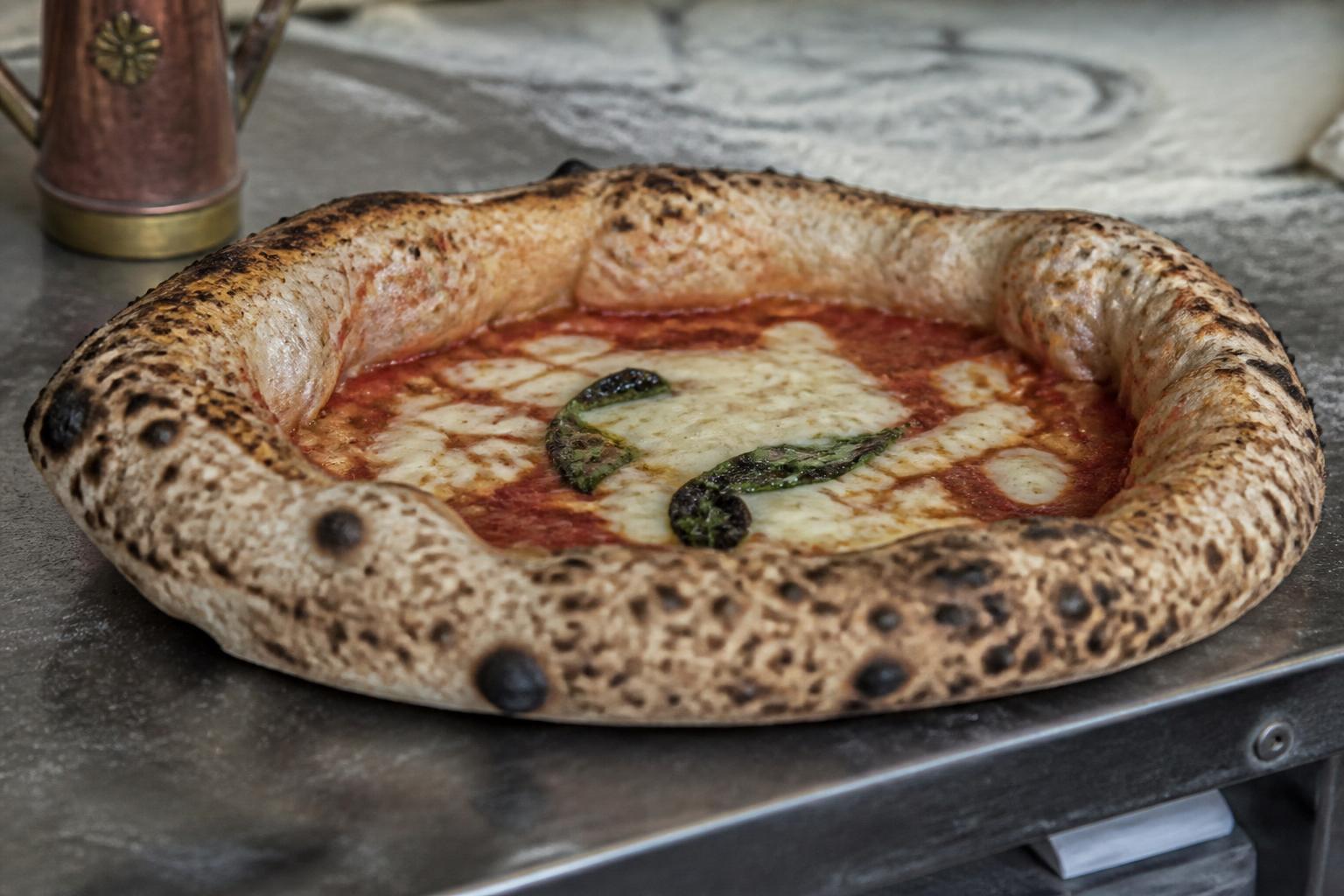
In classic Neapolitan pizza, the cornicione is more of an accompaniment. In the Contemporary style, it becomes a central design element.
Typical characteristics:
- distinct, large air bubbles
- pronounced leopard spots due to caramelization
- crispy outer crust
- soft, airy interior
- distinctive flavor from long fermentation
For the crust not to become just a shell, proper handling during shaping is essential: Push gas from the center outwards, barely touch the rim, and don't beat or roll the dough ball.
Modern Dough Techniques
Various methods help keep the dough manageable at high hydration:
AutolyseLet flour and water rest briefly beforehand without yeast and salt. The enzymes gently start gluten development and later improve water absorption.
Coil Folds & Stretch-and-FoldInstead of kneading vigorously, the dough is folded at intervals. This preserves gas bubbles, strengthens the gluten network, and keeps the dough elastic.
PrefermentsPoolish, biga, or sourdough starters provide additional depth of flavor and stabilize fermentation. They are optional but very useful for long proofing times.
Oven & Baking
Contemporary Pizza benefits from high heat. Typical baking temperatures are between 400 and 500 °C in wood-fired, gas, or modern electric pizza ovens.
The balance is important:
- strong bottom heat for a crispy base
- sufficient top heat for the crust and toppings
- short baking times of 60–120 seconds in a professional oven
In a home oven, implementation is more challenging. A pizza steel or stone with a long preheating time and targeted broiler finish helps reduce the difference. Still, it's clear: At too low temperatures, the dough doesn't reach its full potential.
Toppings and Presentation
Even with toppings, Contemporary Pizza prioritizes quality over quantity. Popular choices include:
- high-quality, often regional ingredients
- seasonal vegetables and herbs
- modern cheese combinations
- fermented components
- minimalistic, clear flavor profiles
The motto is usually: Less is more, but done consciously. The dough should be the focus, not overshadowed by twenty ingredients.
Is Contemporary Pizza Just a Trend?
For some, it's an Instagram phenomenon; for others, it's the consistent evolution of craftsmanship. Both are probably true – and that's okay.
Anyone serious about baking Contemporary Pizza should prepare for long fermentation, high hydration, and sensitive handling. The result is a pizza that combines traditional techniques with modern dough science – airy, aromatic, and visually distinctive.