Quick answer: Canotto is a contemporary Neapolitan pizza style defined by an exaggerated 5–8 cm puffy, hollow cornicione, high hydration (70–75%), strong flour (W 320–380) and a 24–72 h ferment. It sits outside the classic AVPN disciplinare.
What Is Canotto Pizza?
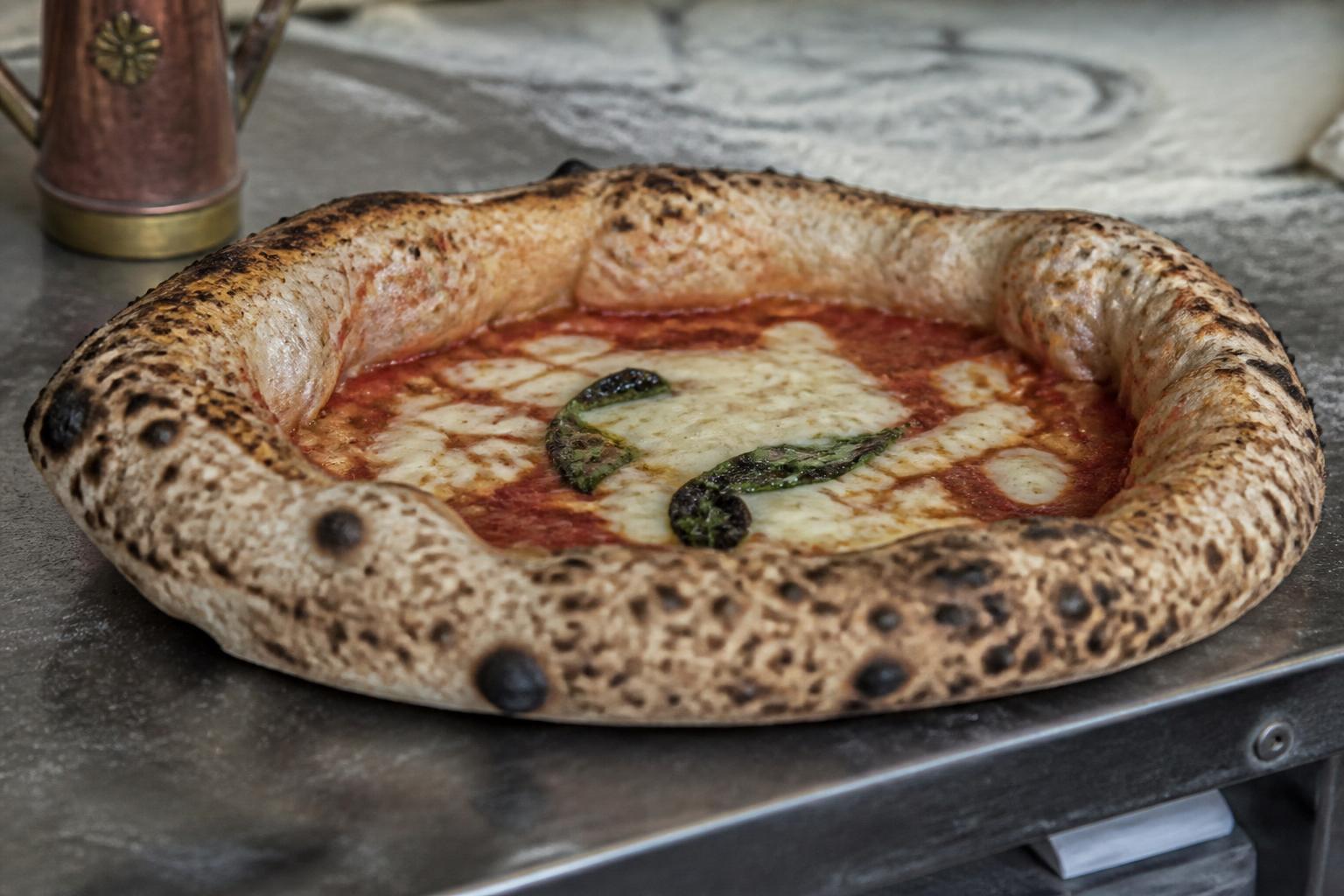
Canotto literally means rubber dinghy or life raft in Italian. The name describes exactly what the pizza looks like: a thin, flat center surrounded by an absurdly puffy, hollow cornicione that rises 5–8 cm above the disc. Cut it open and the rim looks like the inflated chamber of a rubber boat — light, airy, full of large irregular alveoli.It is the most photogenic pizza on Instagram, and it is a relatively young style. Canotto emerged from the Neapolitan contemporanea movement in the early 2010s, pioneered by pizzaioli like Vincenzo Capuano and Franco Pepe who pushed the classic Neapolitan formula toward higher hydration, longer fermentation and more dramatic rise.
Canotto vs. Classic Neapolitan
Same family, very different silhouette.
| Classic Neapolitan | Canotto | |
|---|---|---|
| Cornicione height | 1–2 cm | 5–8 cm |
| Hydration | 58–62% | 70–75% |
| Fermentation | 8–24 h | 24–72 h |
| Flour strength (W) | 260–300 | 320–380 |
| Oven temp | 430–480°C | 430–480°C |
| Bake time | 60–90 s | 60–90 s |
| Dough handling | Hand-pressed, edges left untouched | Hand-pressed, edges barely touched, gas pushed outward |
| AVPN-certified | Yes (Vera Pizza Napoletana) | No — outside the disciplinare |
The classic Neapolitan rule book (the AVPN disciplinare) actually limits the cornicione to 1–2 cm. Canotto is by definition non-AVPN — and most contemporary pizzaioli wear that as a badge of honor.
What Creates the Canotto Cornicione
Three things, in order of importance:
1. Gas migration during shaping. When you press the disc out, you push every bubble of CO₂ from the center toward the edge. With a fully matured, well-developed dough, those bubbles do not pop — they accumulate in a 1.5–2 cm-wide ring around the rim. 2. High hydration. 70%+ water makes the dough extensible enough to stretch without tearing, and gives steam something to inflate. Below 65%, the cornicione stays modest. 3. Strong flour + long ferment. A weak flour collapses before the rim can balloon. You need a W 320–380 flour and at least 48 hours of total fermentation (mostly cold) so the gluten is mature, the starches are partially broken down, and the dough is at peak elasticity plus extensibility.How to Bake a Canotto at Home
You do not need a professional oven, but you do need at least 400°C of surface heat. A home oven topping out at 250°C will produce a flat pizza, not a canotto — the rim has only 60–90 seconds to inflate before the structure sets.
Recipe baseline (4 × 280 g balls)
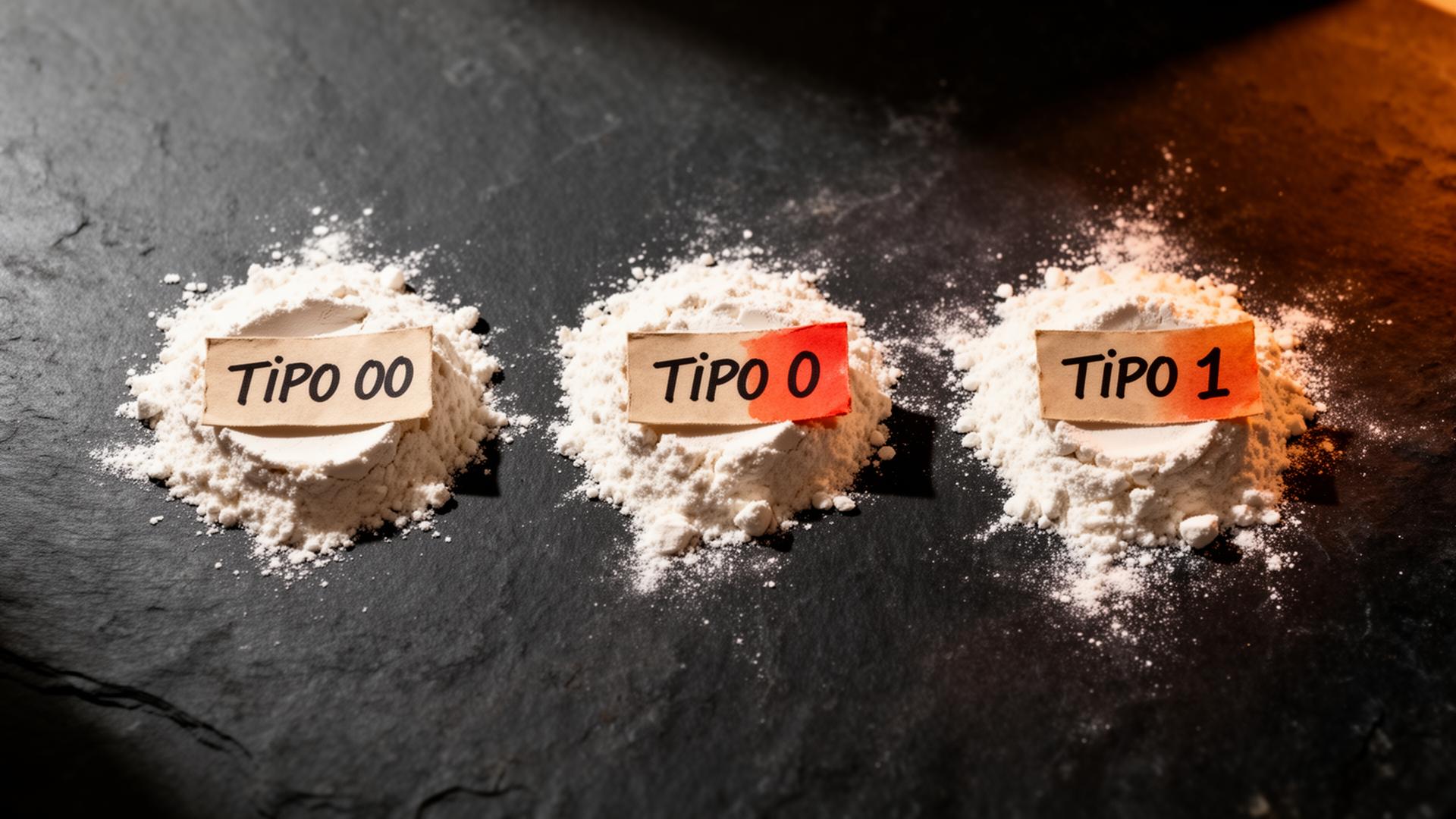
- Flour: 600 g, Tipo 00, W 320–360, 13–14% protein
- Water: 432 g (72%)
- Salt: 18 g (3%)
- Fresh yeast: 0.6 g (0.1%) — or 0.2 g instant dry
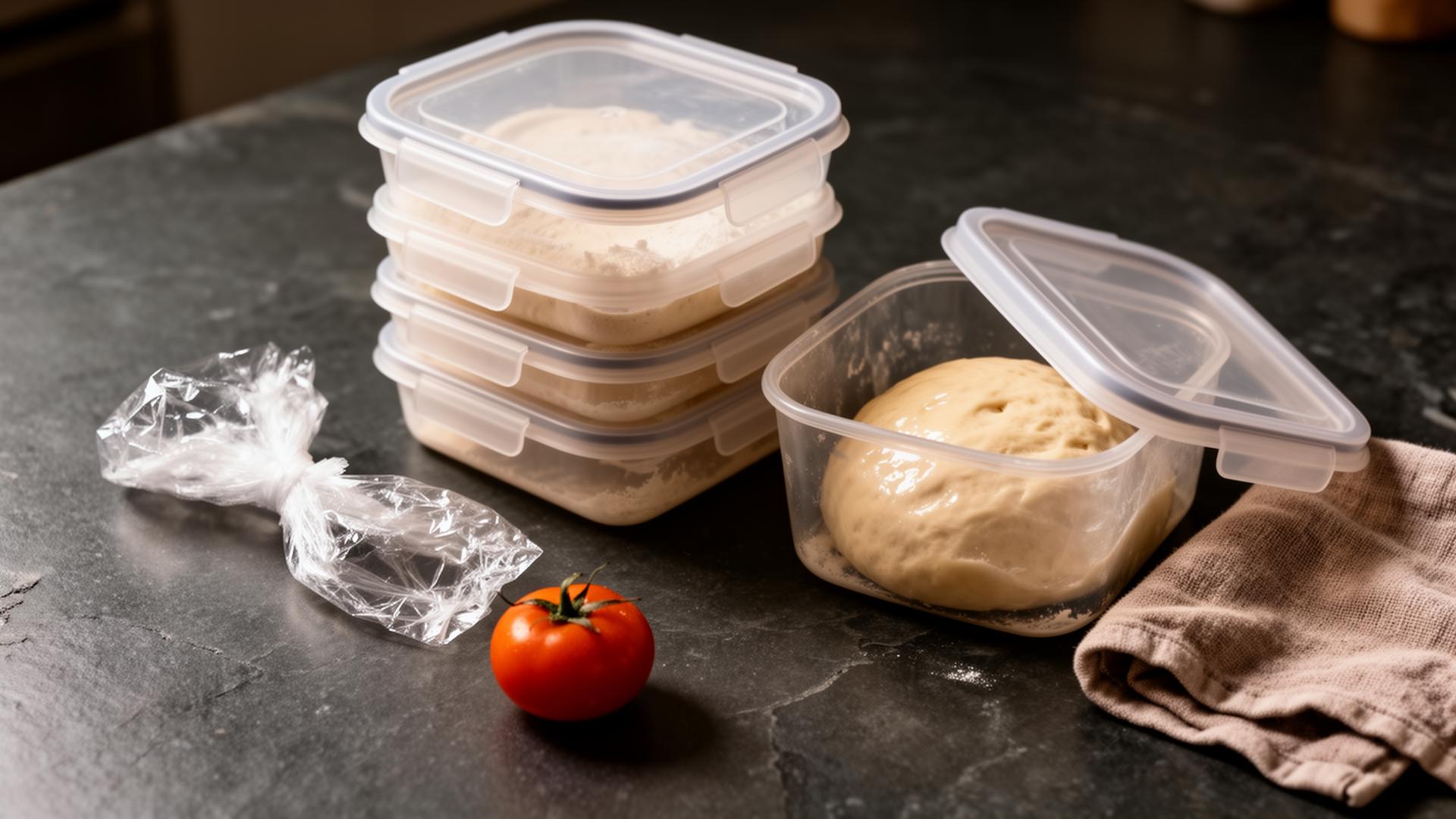
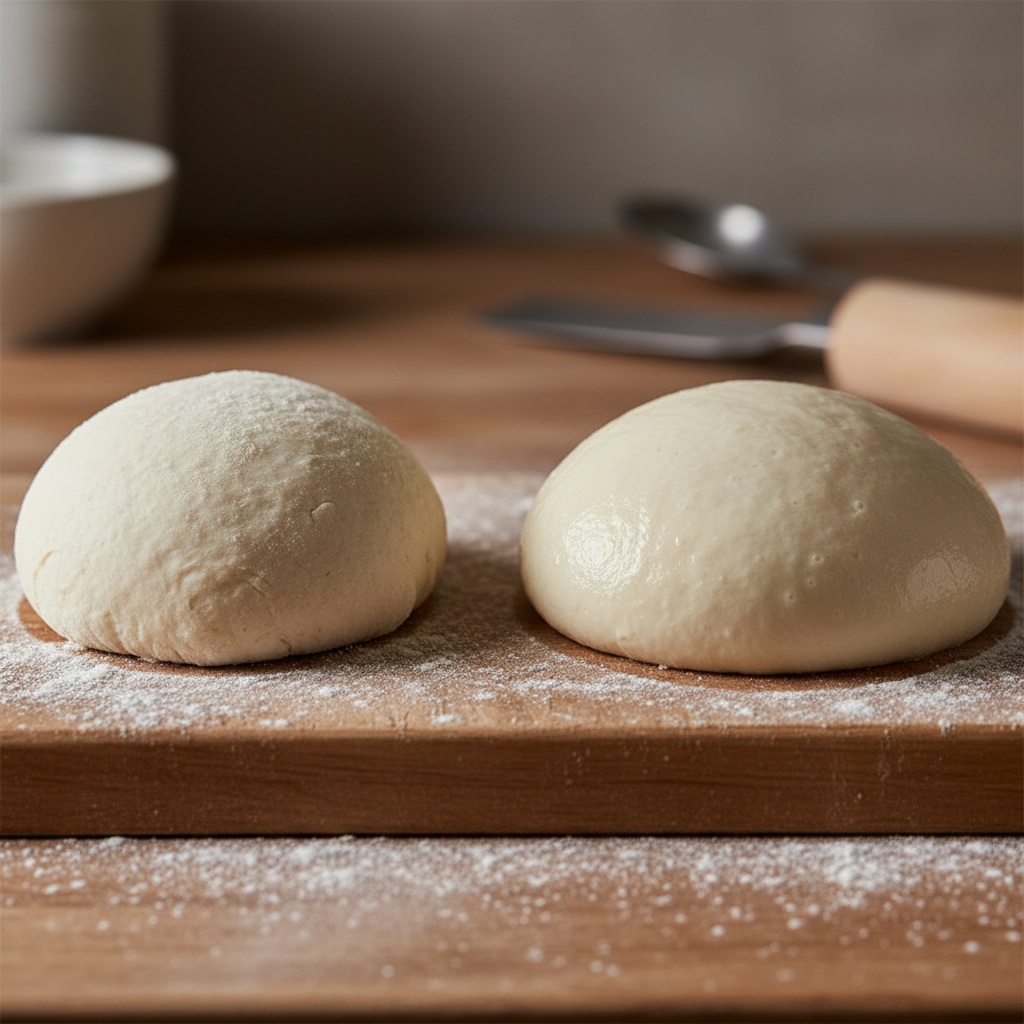
- Total ferment: 48 h, of which 44 h cold (4°C) and 4 h at room temp for final balling and proof
The shaping move that matters
Oven setup for home bakers
- Pizza steel + broiler combo: Steel preheated 60 min at max, then broiler on. Bake 4–5 min, finish under the broiler 60 s.
- Outdoor pizza oven (Ooni, Gozney, Effeuno): Stone at 430–460°C. Bake 70–90 s, turning every 20 s.
Common Canotto Failures
- Flat cornicione: Hydration too low, or you over-pressed the rim during shaping.
- Burnt rim, raw center: Oven too hot for too short — drop temp 20°C.
- Tough, chewy crumb: Underfermented. The crumb should pull apart in soft strands, not in dense bread-like crumb.
- Cornicione that deflates after baking: Underbaked. Walls have not set yet — extend bake by 10–15 s.
Is Canotto "Better"?
No. It is different. Classic Neapolitan is built around restraint and the dialogue between dough, tomato and mozzarella. Canotto is theatrical — the cornicione is the star. Both are honest interpretations of the same tradition — see our Neapolitan style guide for the classic framework and contemporary pizza for the broader modern movement Canotto belongs to. Pick the one you actually want to eat.