Sticky Is Normal
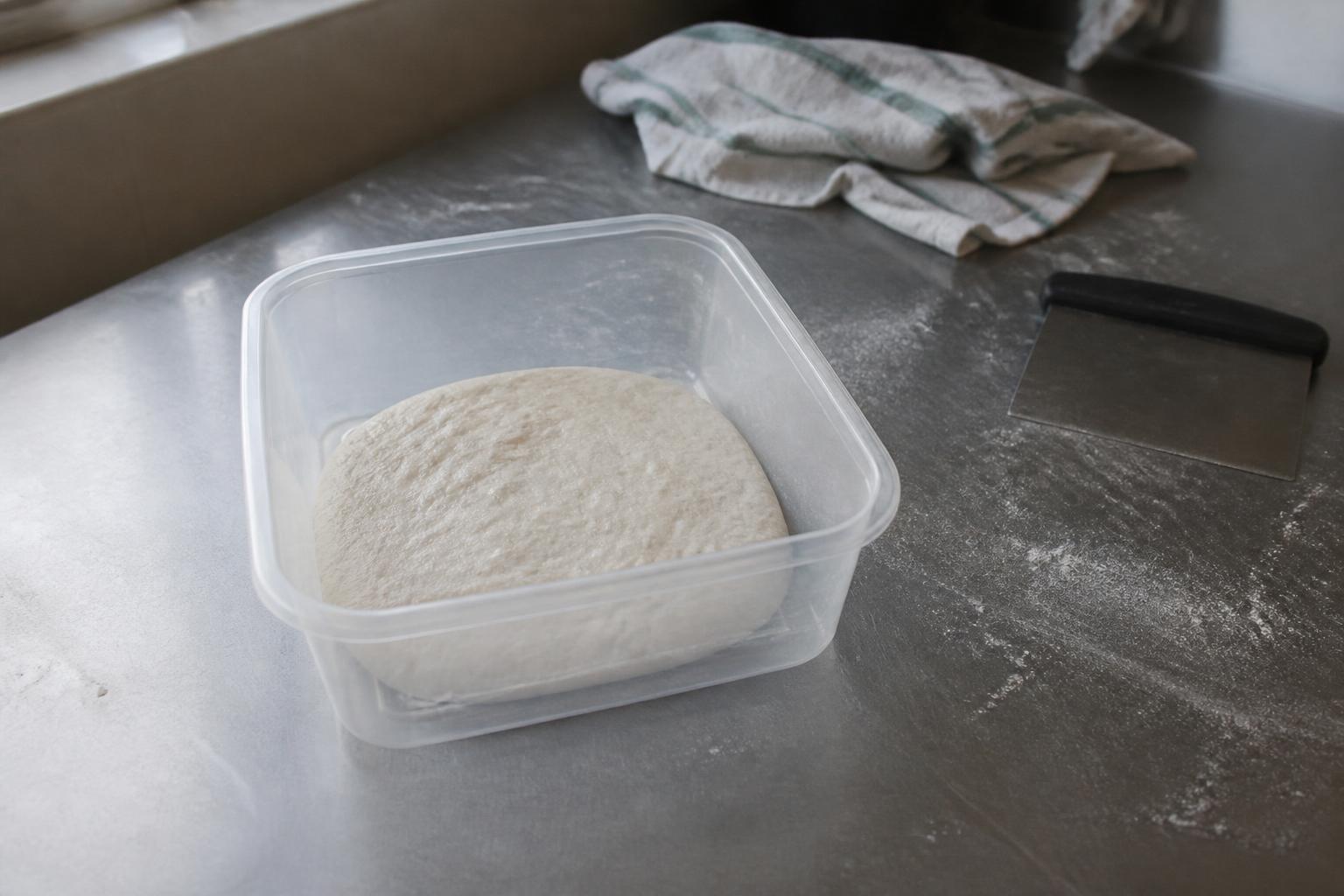
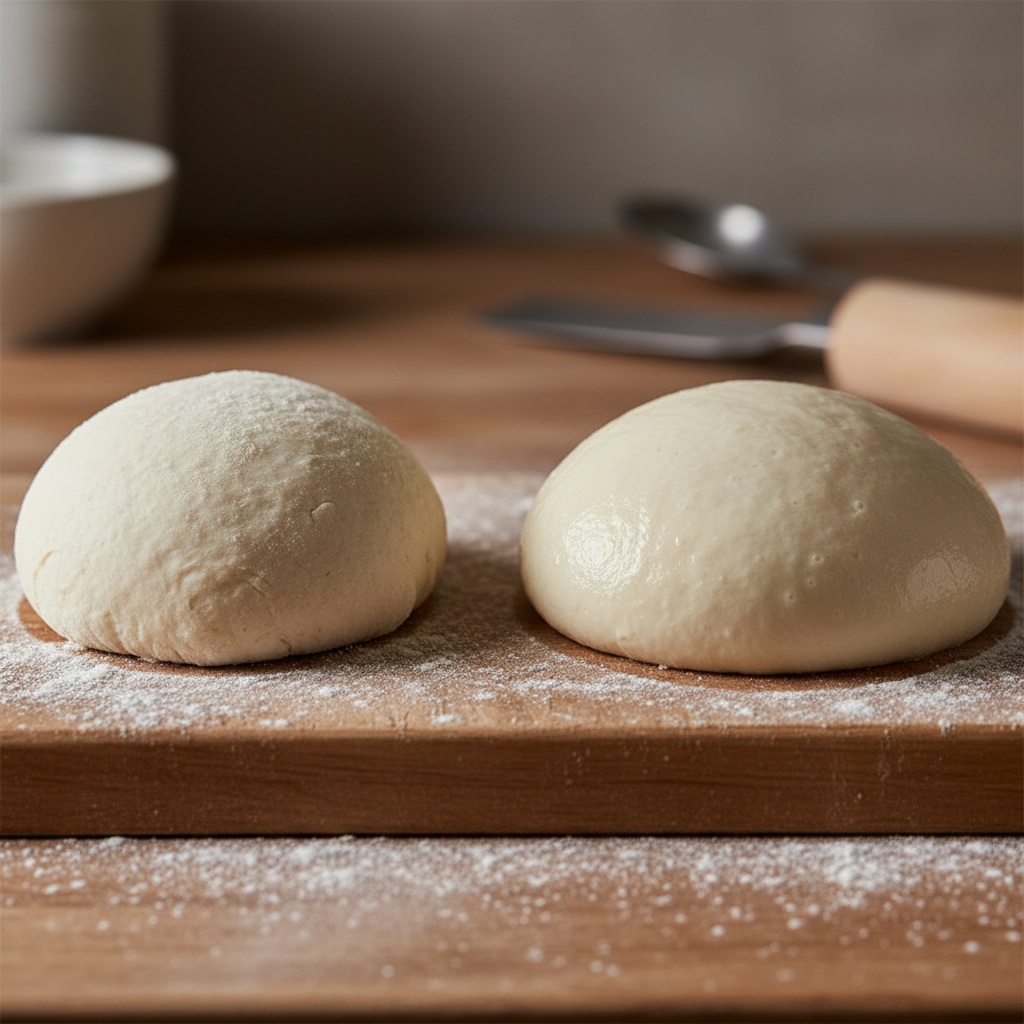
First, let's be clear: sticky dough is not broken dough. Most great pizza doughs are sticky. The question is whether the stickiness is manageable or unworkable.
Good Sticky vs. Bad Sticky
Good Sticky
- Dough sticks slightly to your hands but releases cleanly
- Surface feels tacky, like a Post-it note
- Dough holds its shape when you stop touching it
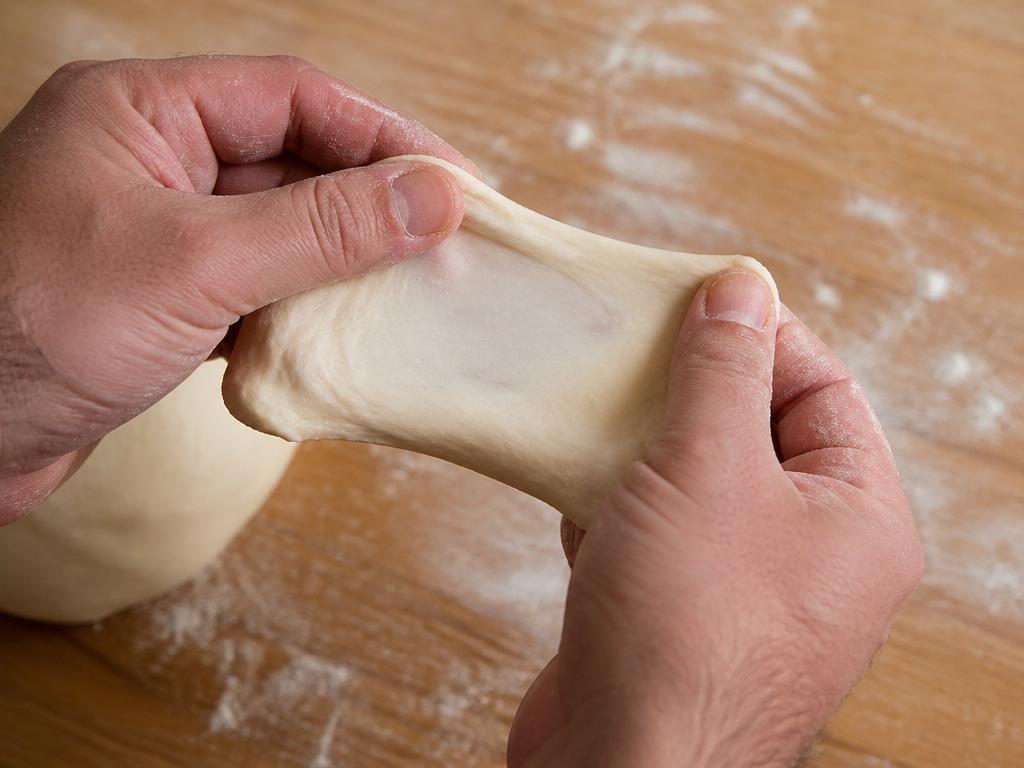
- Gets less sticky as gluten develops
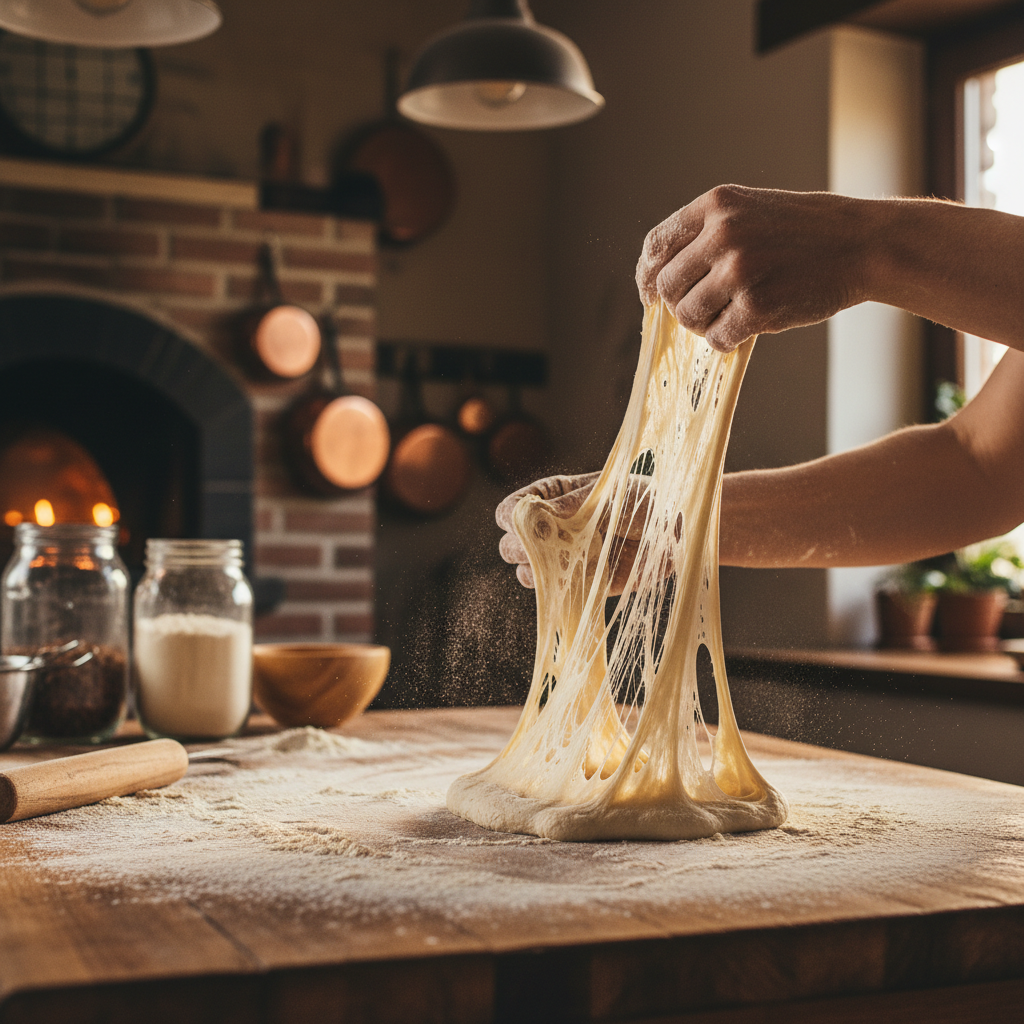
Bad Sticky
- Dough is liquid-like and won't hold any shape
- Sticks aggressively and tears when you try to release it
- Doesn't improve with kneading or folding
- Pools out flat immediately
Handling Techniques
1. Wet Hands, Not Flour
The #1 rule. Dip your hands in water before touching the dough. Water prevents sticking without adding flour (which changes hydration and creates dry spots).
2. Stretch and Fold
Instead of traditional kneading (which is miserable with sticky dough), use stretch-and-fold:
- Grab one side of the dough, stretch it up, fold it over
- Rotate 90°, repeat
- Do 4 folds = 1 set
- Wait 30 minutes, repeat
- 3-4 sets over 2 hours builds excellent gluten structure
3. Oil Your Surface
Work on a lightly oiled counter instead of a floured one. Oil prevents sticking without affecting the dough's hydration.
4. Cold Dough Is Easier
If your dough is unmanageable, put it in the fridge for 30-60 minutes. Cold firms up the gluten network and makes the dough much easier to handle.
5. Let Time Do the Work
Fresh dough is always stickier than developed dough. After bulk fermentation, gluten has had time to organize, and the dough becomes more manageable.
When Sticky Means Something Is Wrong
- Way too much water: Miscalculated hydration. If it's soup, add flour gradually (2-3% at a time).
- Under-mixed: Gluten hasn't developed. Keep folding.
- Wrong flour: Low-protein flour can't handle high hydration. Switch to stronger flour.
- Over-fermented: The gluten structure has broken down. Dough feels wet and tears easily. If severe, start over.
Try It Yourself
Use the calculator below to see how hydration affects your dough:
Water needed
325g
Total dough
825g
Water = Flour × Hydration %