Why Dough Tears
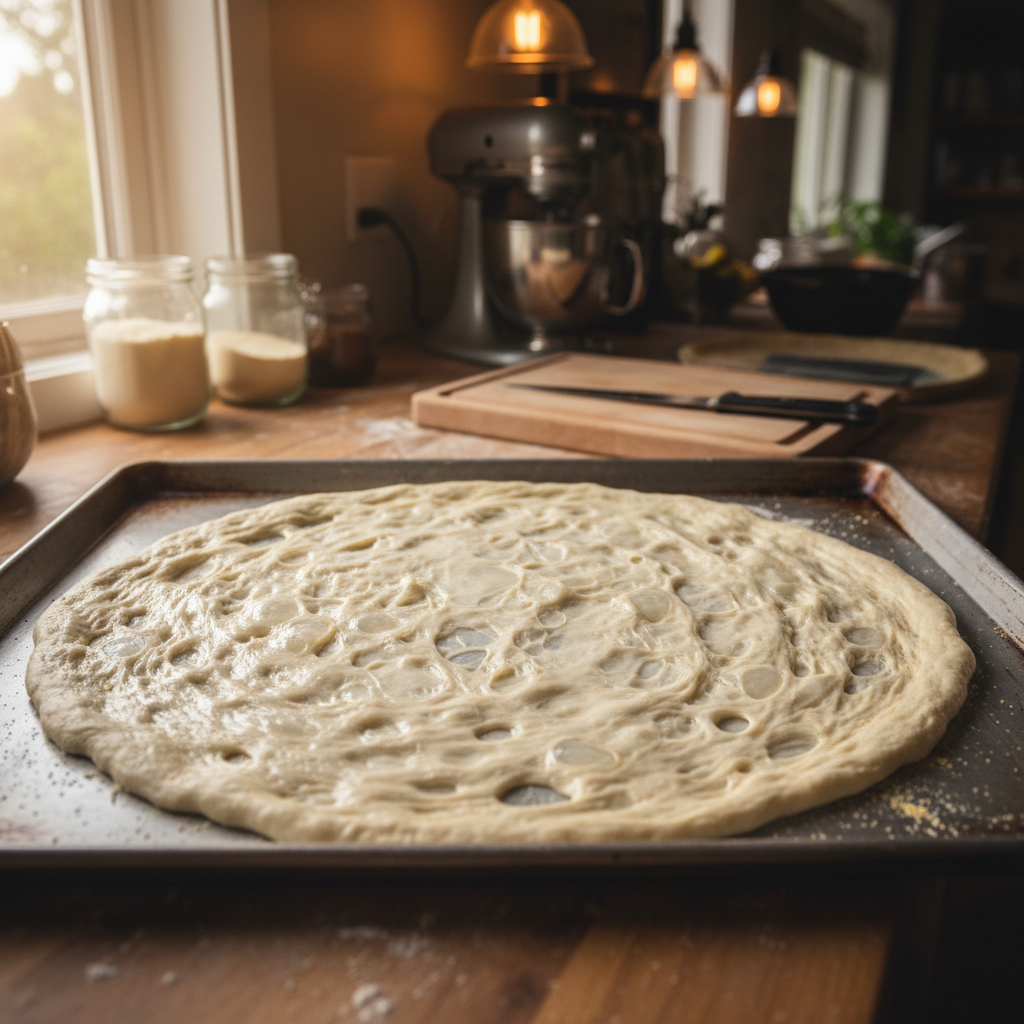
Tearing happens when gluten strands break under tension. The causes are almost always one of these:
1. Under-developed Gluten
The dough wasn't kneaded or folded enough. Gluten needs mechanical work to form a strong, elastic network.
Fix: Knead longer, or use 3-4 stretch-and-fold sets during bulk fermentation.2. Not Enough Rest
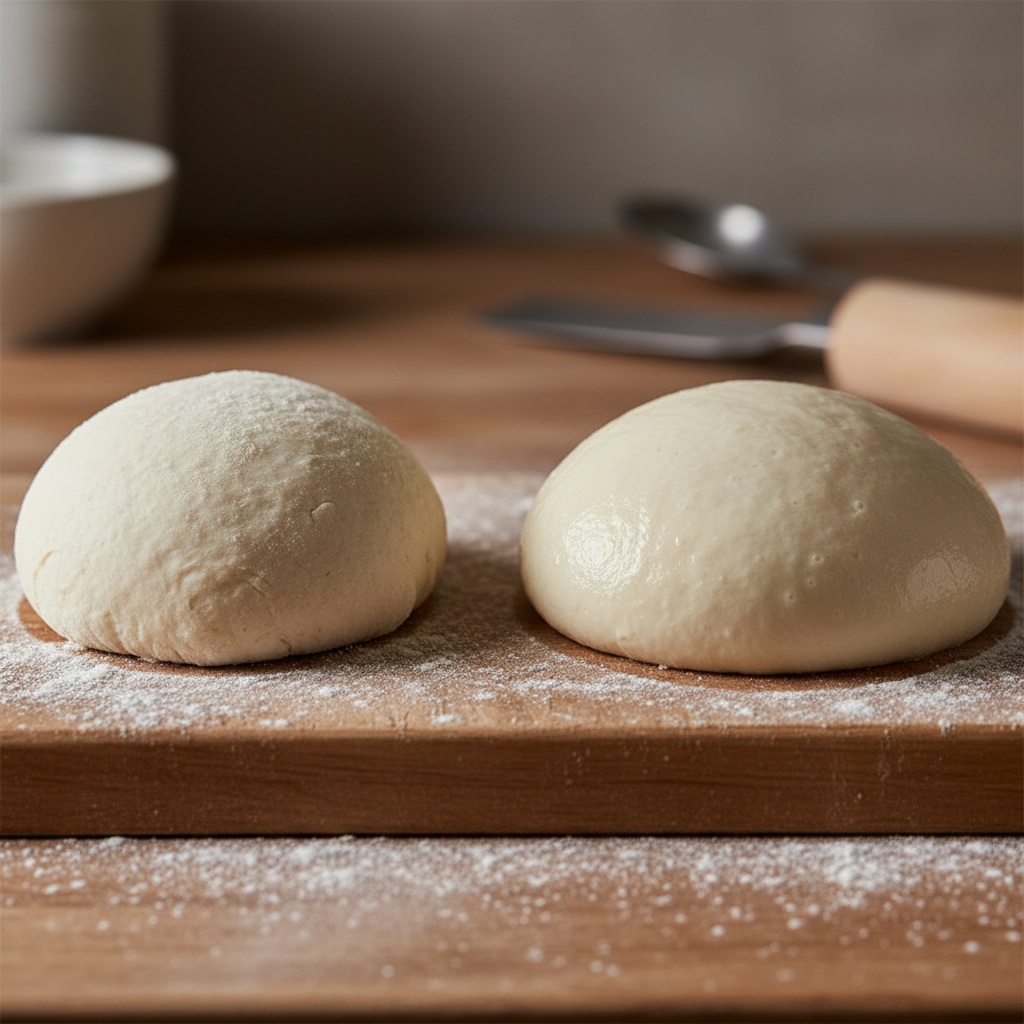
Gluten tightens during shaping. If you try to stretch immediately after balling, the dough fights back and tears.
Fix: Let dough balls rest 15-30 minutes before stretching. If it springs back aggressively, wait longer.3. Too Cold
Cold dough is tight and less extensible. Stretching cold dough almost guarantees tears.
Fix: Let dough reach room temperature (2-4 hours out of fridge) before stretching.4. Low Hydration
Dry dough tears more easily because there isn't enough water to lubricate gluten strands.
Fix: Increase hydration by 2-3%. Even a small increase makes a big difference in extensibility.5. Wrong Flour
Low-protein flour or very elastic flour (high P/L ratio) tears instead of stretching.
Fix: Use a flour with W260-300 and balanced P/L ratio (0.5-0.7) for Neapolitan style.The Windowpane Test
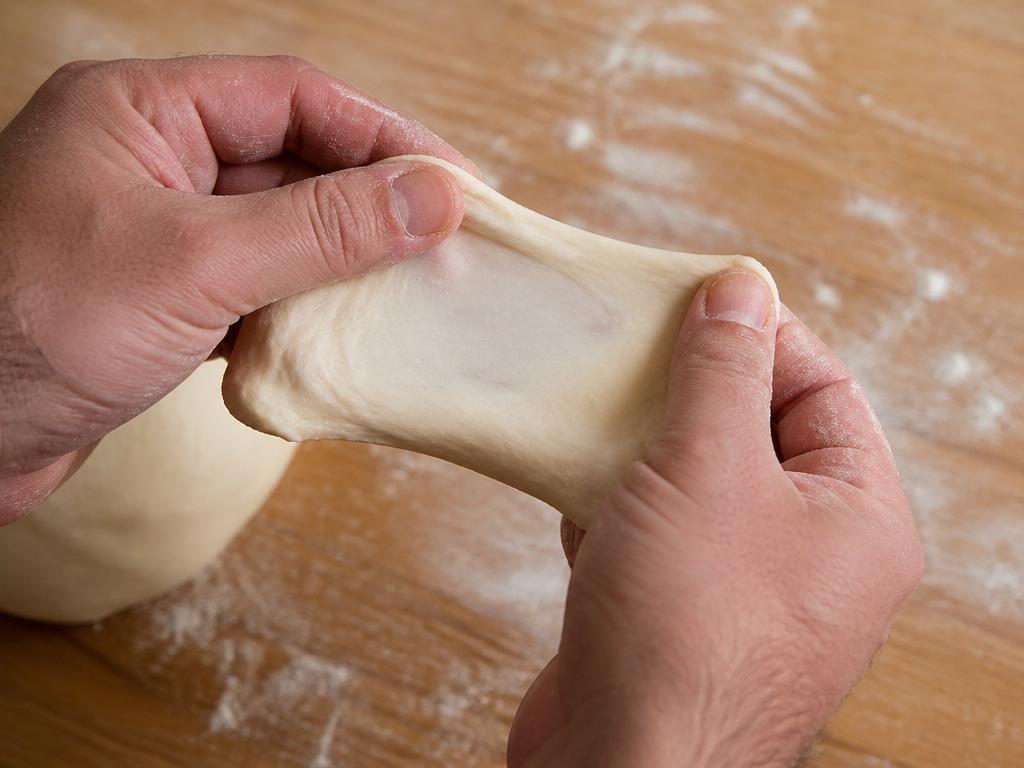
After kneading, pull a small piece of dough thin. If it stretches into a translucent membrane without tearing, your gluten is developed. If it tears, keep working it.