Why 72 Hours?
A 72-hour fermentation is the sweet spot for pizza dough. During this time, enzymes break down complex starches into simple sugars, creating deeper flavor. The long, slow fermentation also produces organic acids that improve both taste and digestibility.
The short version: more time = more flavor = better pizza. No shortcuts.What You Need
- Strong bread flour (minimum 12% protein, ideally Tipo 00 with W280+)
- Water (room temperature, filtered if your tap water is heavily chlorinated)
- Salt (fine sea salt, 2.8-3% of flour weight)
- Yeast (fresh or dry, drastically reduced for long fermentation)
The Yeast Question
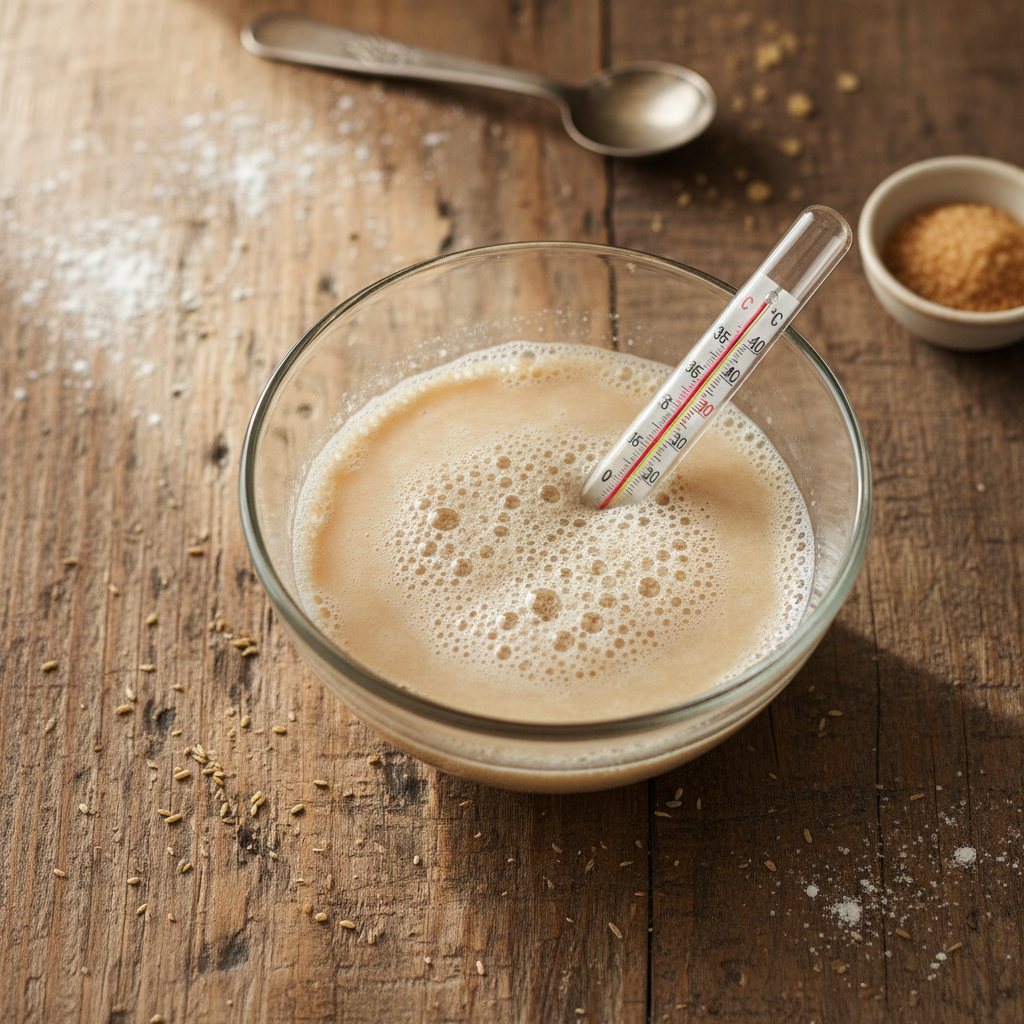
For a 72-hour cold ferment, you need very little yeast. Too much yeast is the #1 mistake.
| Duration | Fresh Yeast (per 1kg flour) | Dry Yeast (per 1kg flour) |
|---|---|---|
| 24h | 3g | 1g |
| 48h | 1.5g | 0.5g |
| 72h | 0.8g | 0.3g |
| 96h+ | 0.5g | 0.15g |
The Process
Mix (Day 1, Evening)
Dissolve salt in water. Add flour gradually. Mix until no dry flour remains. Rest 20 minutes (autolyse). Add dissolved yeast. Knead or fold until smooth and elastic — you should pass the windowpane test.
Bulk Ferment (Day 1, Night)
Leave the dough at room temperature (20-22°C) for 1-2 hours. You want to see slight expansion, maybe 20-30% volume increase.
Cold Ferment (Days 2-3)
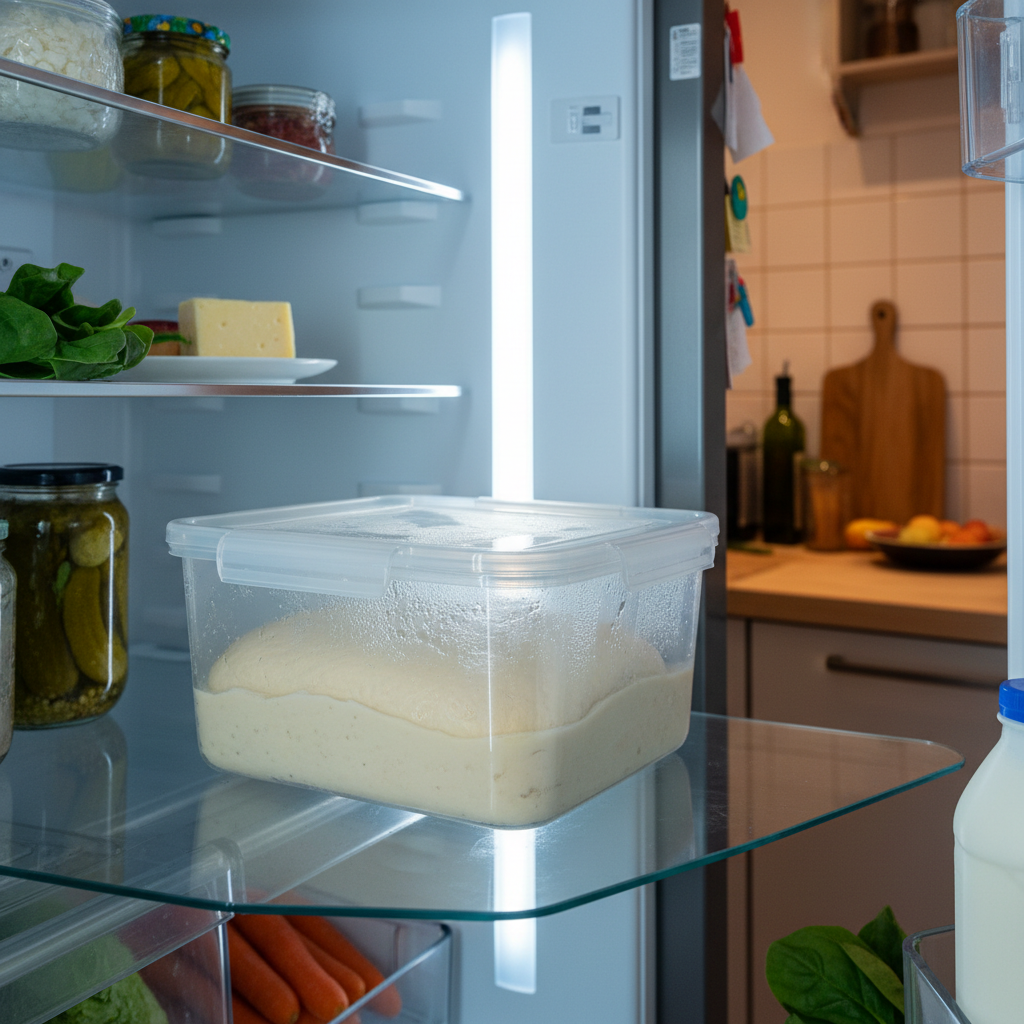
Place the dough in an oiled, sealed container in the fridge (4-6°C). This is where the magic happens. The cold slows yeast activity but enzymes keep working, building flavor compounds.
Ball and Final Proof (Day 3)
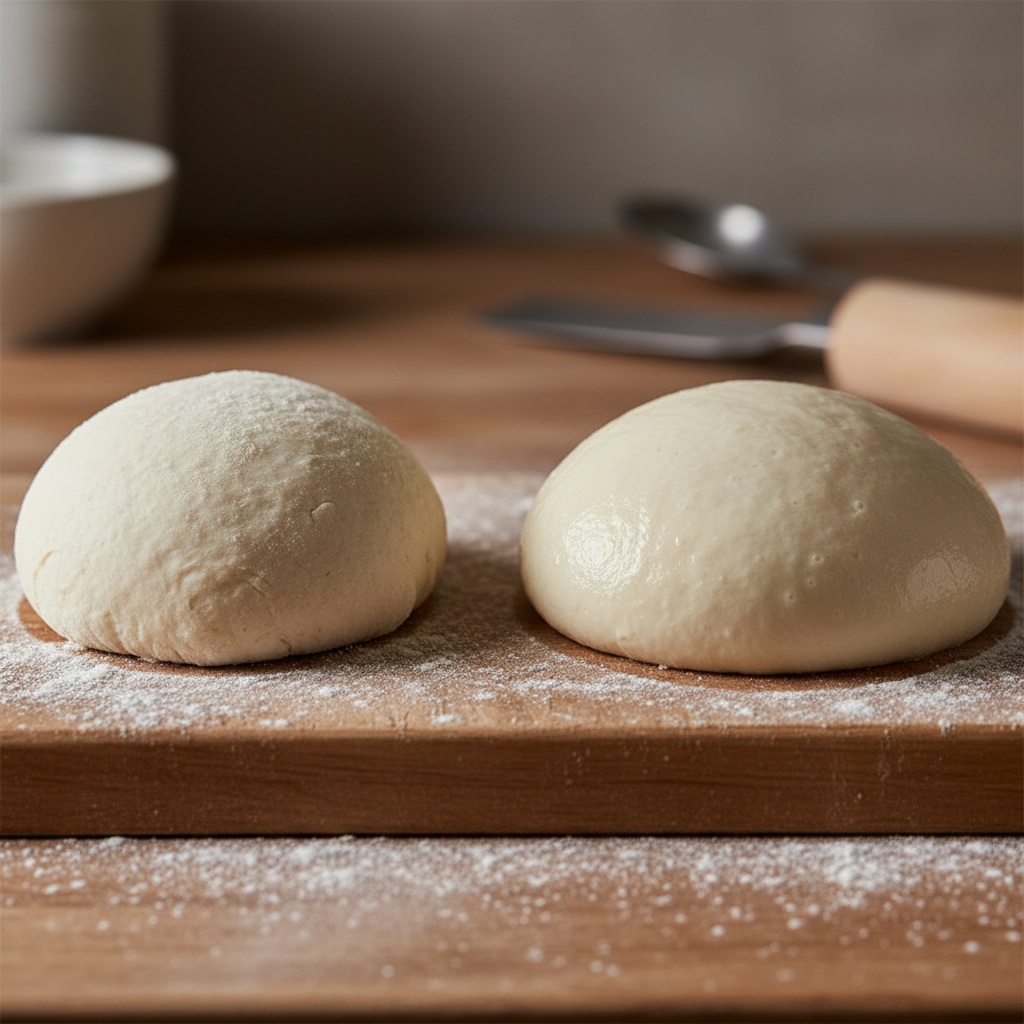
Remove from fridge 4-6 hours before baking. Divide and ball. Let the dough balls come to room temperature and complete their final proof. They should be soft, puffy, and jiggle when you shake the tray.
Temperature Matters
Your fridge temperature directly affects fermentation speed:
| Fridge Temp | Fermentation Speed | Recommended Duration |
|---|---|---|
| 2-3°C | Very slow | 72-96h |
| 4-5°C | Slow | 48-72h |
| 6-7°C | Medium | 24-48h |
| 8°C+ | Fast (risky) | 24h max |
Signs of a Perfect 72h Dough
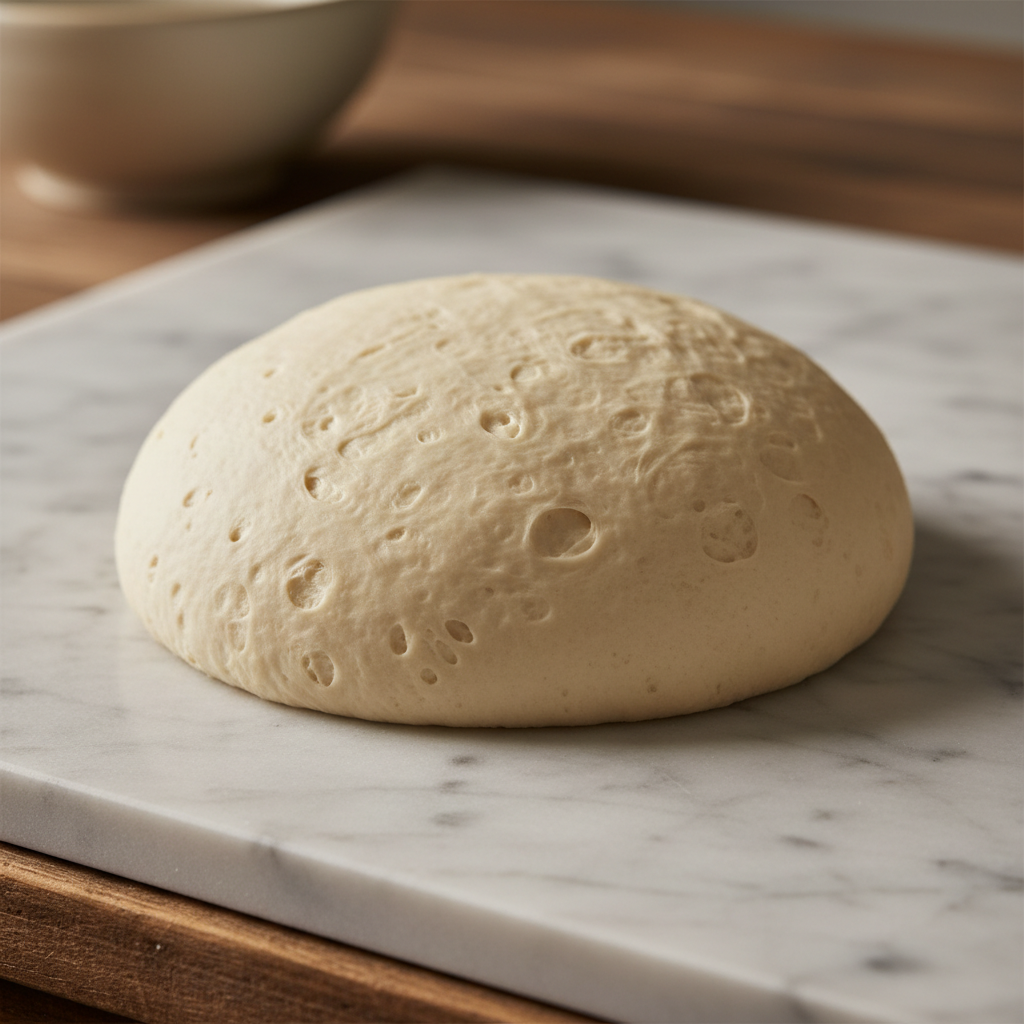
- Smooth, slightly tacky surface
- Visible bubbles under the skin
- Sweet, slightly tangy aroma
- Springs back slowly when poked
- Stretches easily without tearing
Common Mistakes
- Too much yeast: The dough overproofs in the fridge. Reduce yeast.
- Fridge too warm: Same effect. Check your fridge temperature with a thermometer.
- No bulk ferment: Skipping the room temp phase means the yeast never gets going properly.
- Opening too early: Don't check every few hours. Set it and forget it.
Ready to Start?
Use the RISE. flow calculator to get exact timings for your schedule. Select Neapolitan, set your dinner time, and let the tool calculate backwards.