What Is Cold Fermentation?
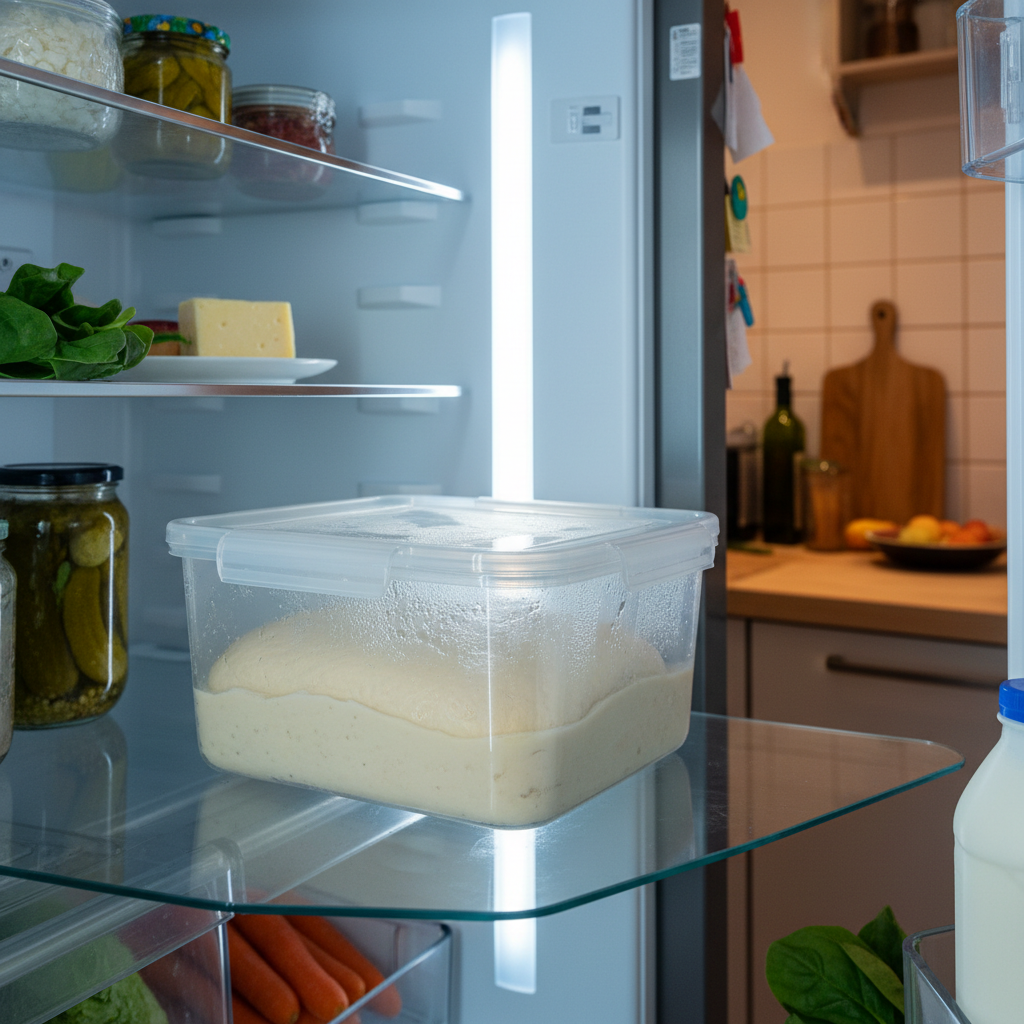
Cold fermentation (also called retarding) means fermenting your dough in the fridge at 2-6°C. At these temperatures, yeast slows dramatically but enzymatic activity continues, breaking down starches and proteins into flavor compounds.
Why Cold Ferment?
Flavor
Cold-fermented dough tastes completely different from room-temp dough. You get complex, slightly sweet, almost nutty flavors with subtle acidity. The longer the cold ferment, the more pronounced these flavors become.
Scheduling Freedom
Cold fermentation puts you in control. Mix dough in the evening, fridge it, and bake 24, 48, or 72 hours later. Your schedule dictates the timeline, not the dough.
Digestibility
Extended fermentation breaks down more gluten and phytic acid, making the final product easier to digest.
Handling
Cold dough is firmer and easier to work with. High-hydration doughs that are unmanageable at room temp become cooperative straight from the fridge.
The Cold Ferment Process
Step 1: Mix and Bulk
Mix your dough as usual. Allow 1-2 hours of bulk fermentation at room temperature. This gives yeast a head start before the cold slows everything down.
Step 2: Fridge It
Place in an oiled container, seal well (plastic wrap or airtight lid), and refrigerate. The dough will continue to rise slowly in the fridge.
Step 3: Monitor
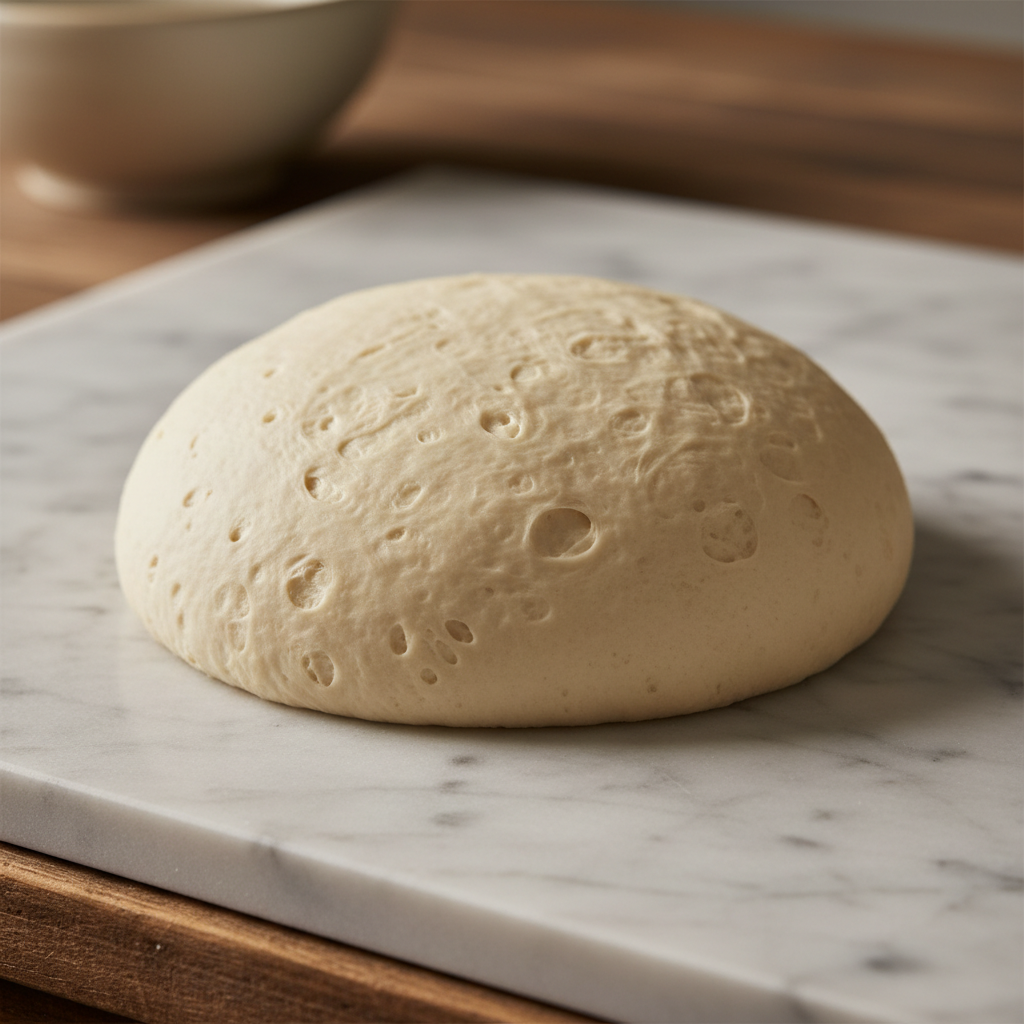
Check after 24 hours. The dough should have increased in volume by 50-100%. If it has more than doubled, your fridge might be too warm or you used too much yeast.
Step 4: Remove and Warm Up
Take the dough out 3-6 hours before baking (depending on your room temp and desired final proof). Divide, ball, and let it come to temperature.
Temperature Zones
| Zone | Temp | Effect | Best For |
|---|---|---|---|
| Deep cold | 2-3°C | Very slow, max flavor | 72-96h ferments |
| Standard cold | 4-5°C | Slow, excellent flavor | 48-72h ferments |
| Warm cold | 6-7°C | Medium, good flavor | 24-48h ferments |
| Too warm | 8°C+ | Risk of overproofing | Not recommended for long ferments |
How Much Yeast for Cold Fermentation?
The colder and longer, the less yeast you need:
| Duration | Fresh Yeast/kg | Dry Yeast/kg |
|---|---|---|
| 24h | 2-3g | 0.7-1g |
| 48h | 1-1.5g | 0.3-0.5g |
| 72h | 0.5-0.8g | 0.15-0.3g |
Common Cold Ferment Problems
- Dough didn't rise at all: Yeast was dead, or fridge is too cold (below 2°C). Check yeast freshness.
- Dough overflowed the container: Too much yeast, fridge too warm, or not enough room in the container.
- Sour, alcoholic smell: Over-fermented. Reduce time or yeast next time. The dough may still be usable if not too far gone.