The Fermentation Triangle
Every pizza dough is governed by three variables: yeast, time, and temperature. Change one, and the others must adjust. This is the fundamental law of dough.
How Yeast Works
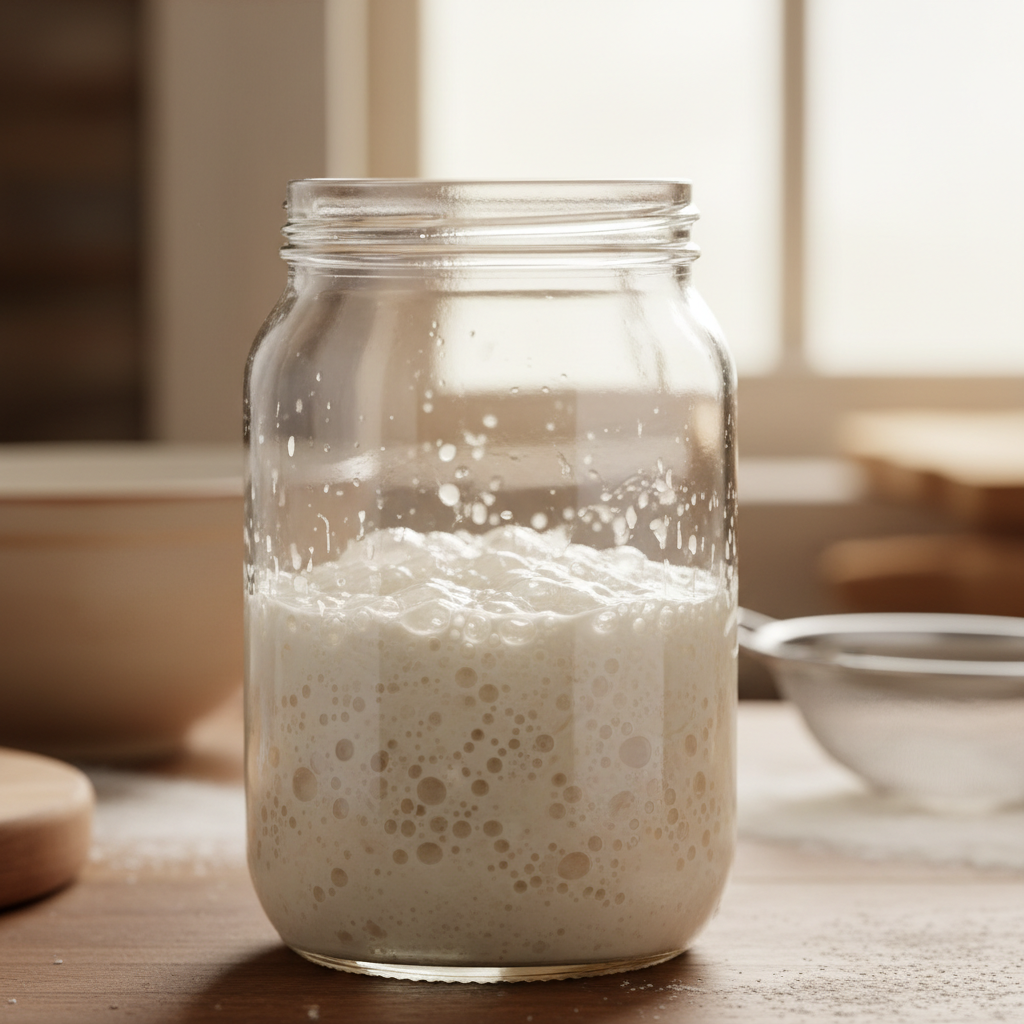
Yeast is a living organism. It eats sugars in flour and produces CO2 (gas that makes dough rise) and ethanol (flavor). The rate at which yeast works depends entirely on temperature.
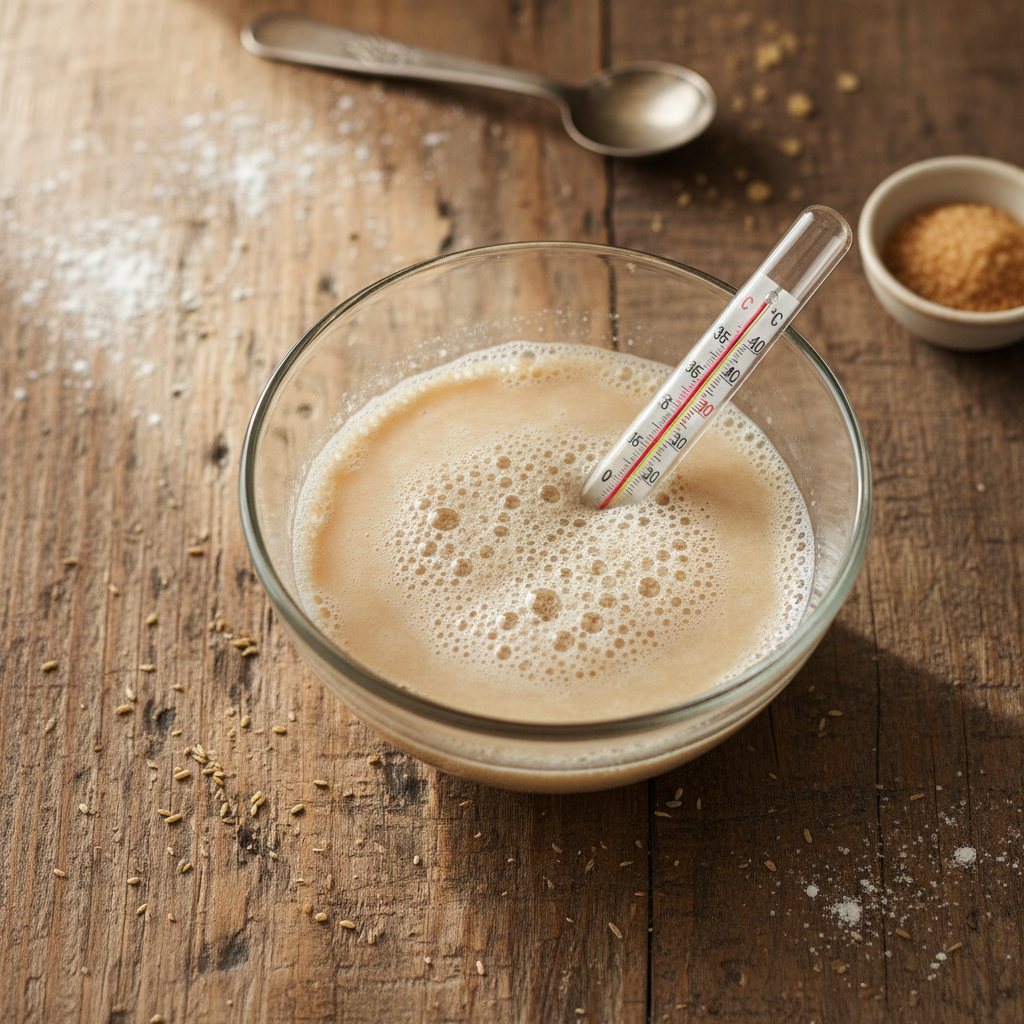
Temperature and Yeast Activity
| Temperature | Yeast Activity | Flavor Development |
|---|---|---|
| 0-4°C | Nearly dormant | Enzymatic only |
| 4-10°C | Very slow | Excellent |
| 10-18°C | Slow | Very good |
| 18-25°C | Active | Good |
| 25-35°C | Very active | Minimal |
| 35-40°C | Stressed | Poor |
| 40°C+ | Dying | None |
The Golden Rule
Less yeast + more time + lower temperature = better flavor.This is not opinion. It's biochemistry. During slow fermentation, enzymes break down proteins and starches into amino acids and simple sugars. These are the building blocks of flavor.
Fast fermentation with lots of yeast? You get volume, but the flavor is flat and one-dimensional.
Practical Examples
Same-Day Dough (6-8 hours)
- Room temp: 22°C
- Fresh yeast: 5-8g per kg flour
- Result: Decent, but limited flavor complexity
24-Hour Dough
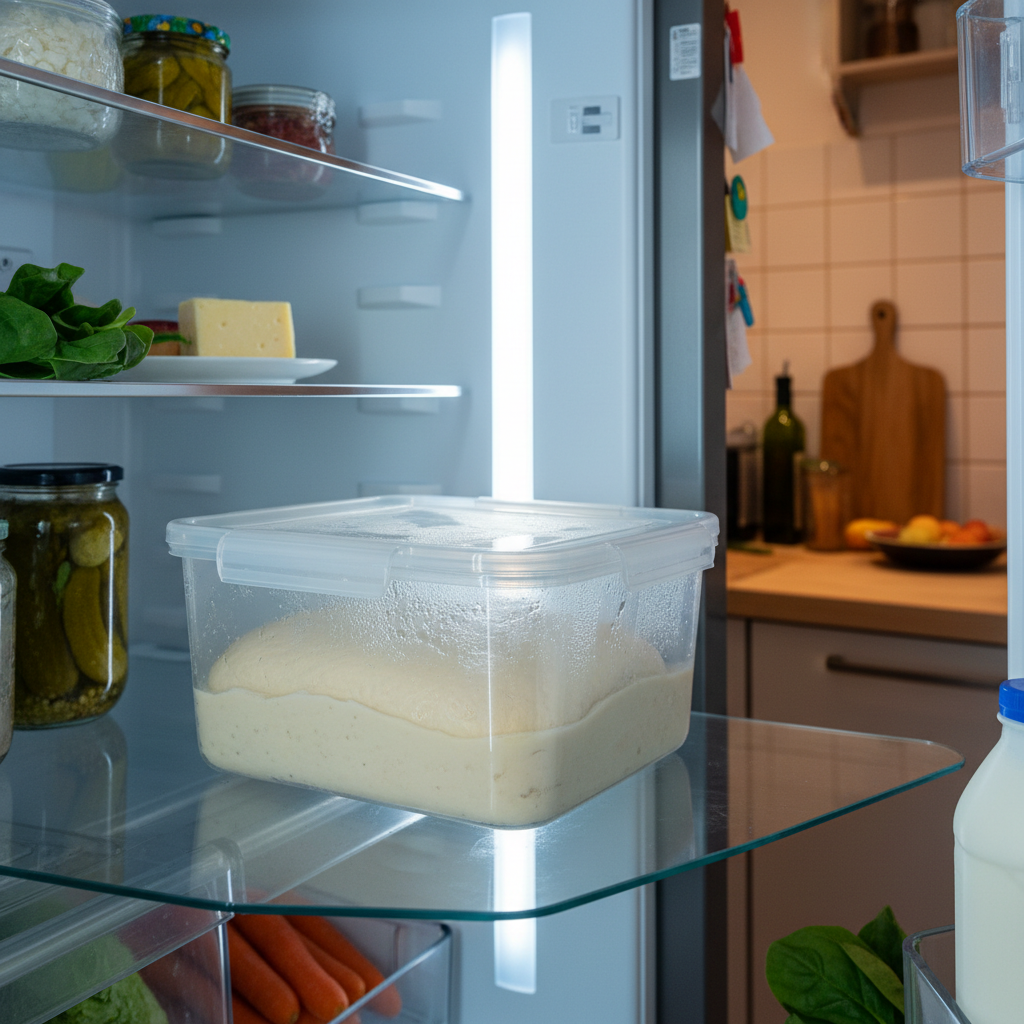
- Bulk at RT: 2h, then fridge at 4°C
- Fresh yeast: 3g per kg flour
- Result: Good flavor, better digestibility
48-Hour Dough
- Bulk at RT: 1-2h, then fridge at 4°C
- Fresh yeast: 1.5g per kg flour
- Result: Excellent flavor, very digestible
72-Hour Dough
- Bulk at RT: 1h, then fridge at 4°C
- Fresh yeast: 0.8g per kg flour
- Result: Complex, nuanced flavor. Peak pizza.
Room Temperature Adjustments
Your room temperature changes everything. In summer (28°C+), reduce yeast by 30-40% or shorten room temp phase. In winter (16-18°C), you can extend the bulk ferment.
The Takeaway
Stop thinking about yeast in fixed amounts. Think about the system: how much time do you have, what's your temperature, and adjust yeast accordingly. RISE. does this calculation for you automatically.