Why Is My Pizza Crumb Gummy?
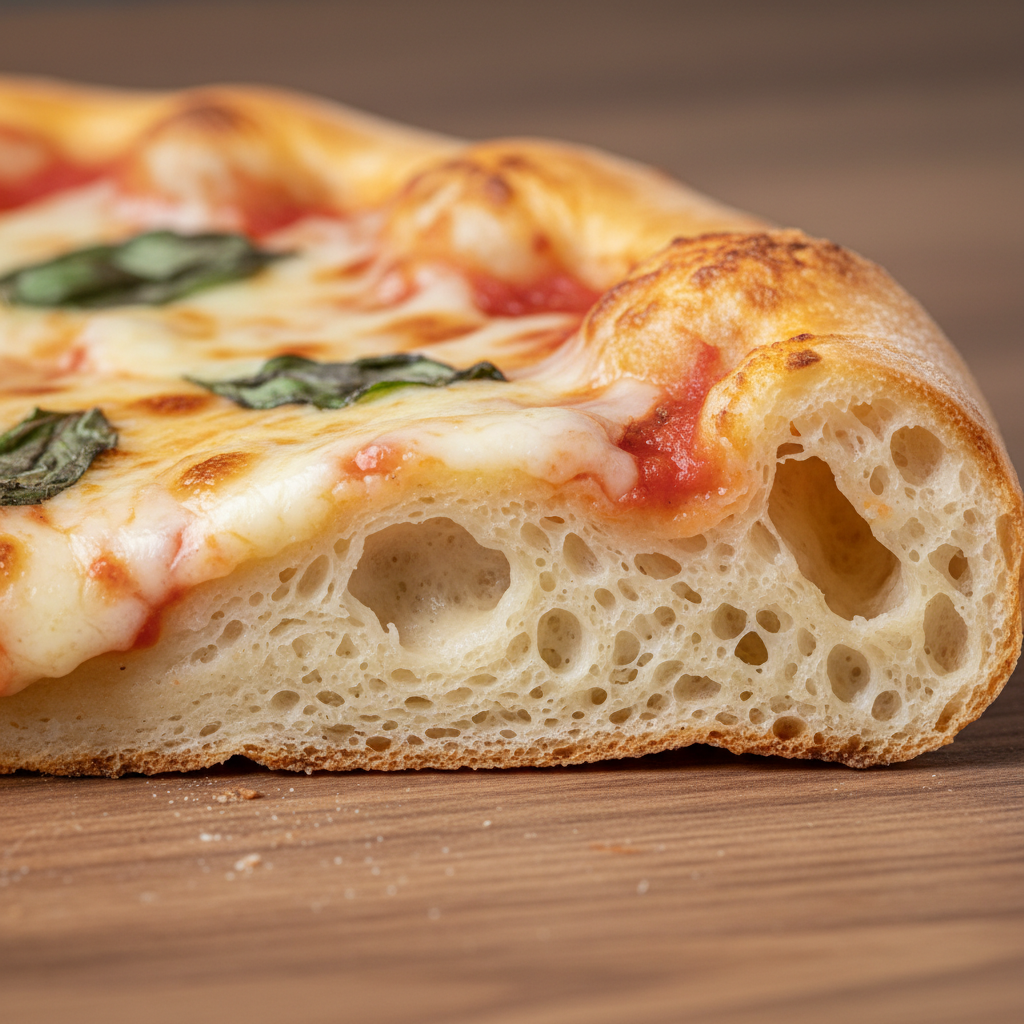
You pull the pizza out looking golden and beautiful — but when you bite in, the inside is dense, chewy, and almost raw-feeling. That's gummy crumb, and it's incredibly common in home baking.
The Core Problem: Under-Baking
In most cases, gummy crumb simply means the pizza didn't bake long or hot enough for the interior to fully set.
The outside browns faster than the inside cooks. This creates an illusion of "done" when the center is still doughy.
Fix
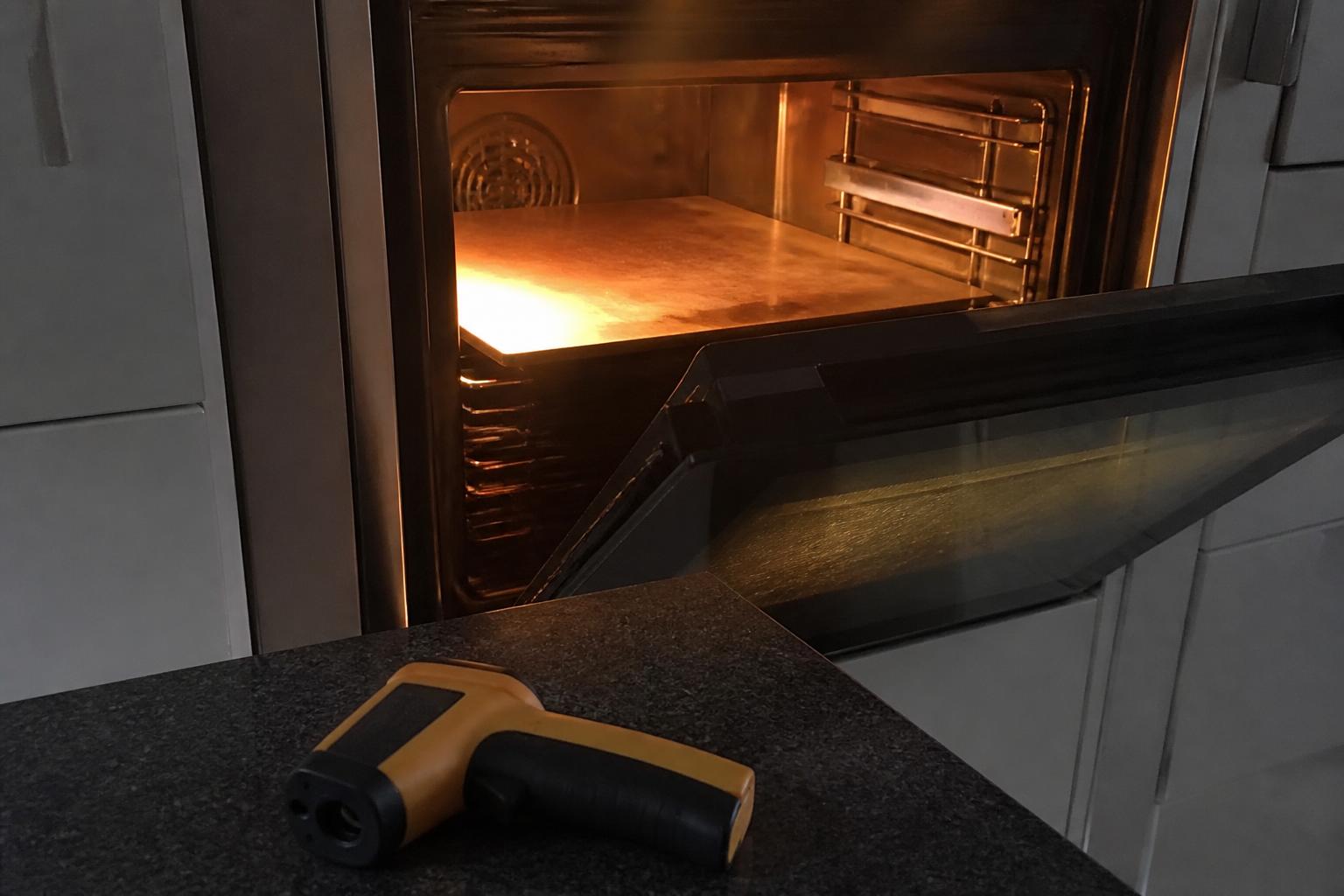
- Bake at the highest temperature possible
- Don't pull the pizza just because the cheese is melted — wait for the bottom to be deeply golden
- Lift the pizza and check the underside — it should be firm and spotted brown
- In a home oven at 250°C, most pizzas need 8–12 minutes, not 6
Cause 2: Too Much Hydration for Your Setup
High-hydration doughs (68%+) need intense heat to evaporate the extra water. In a moderate home oven, that moisture gets trapped and creates gumminess.
Fix
- If baking below 300°C, stick to 60–65% hydration
- Reserve high-hydration doughs for pizza ovens or very hot setups
- Match your hydration to your oven capability — this is crucial
Cause 3: Dough Too Thick
A thick pizza base takes much longer to bake through. By the time the center cooks, the outside may be burning.
Fix
- Stretch your dough thinner — for Neapolitan style, the center should be nearly translucent
- Use appropriate dough ball weights: 220–260g for a 30cm pizza
- Don't pile excess dough into a thick rim — shape it properly
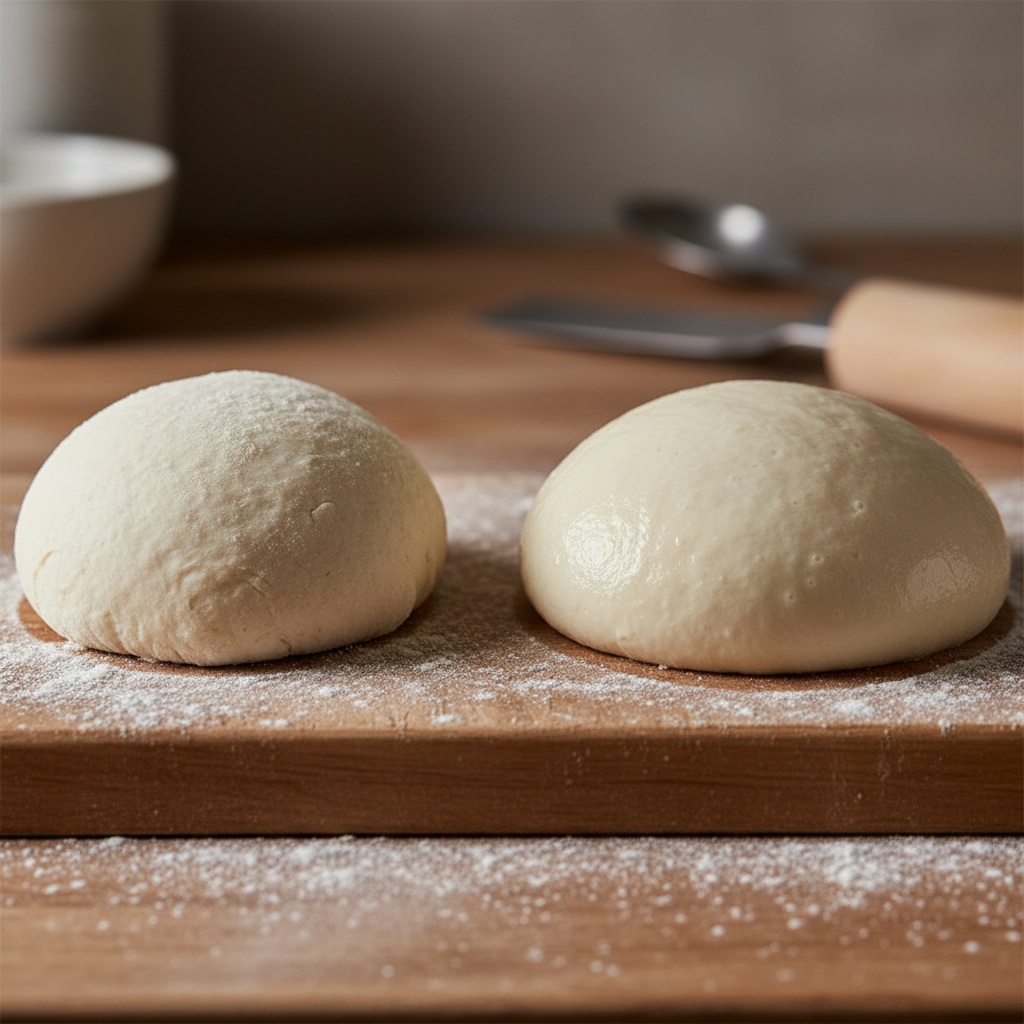
Cause 4: Under-Fermented Dough
Dough that hasn't fermented enough has a dense, tight structure with small, uniform bubbles. This creates a bread-like crumb that doesn't cook evenly.
Fix
- Ensure proper fermentation — look for visible bubbles and a light, airy feel
- The dough should jiggle when you shake the container
- Under-fermented dough also tears easily during stretching — another sign
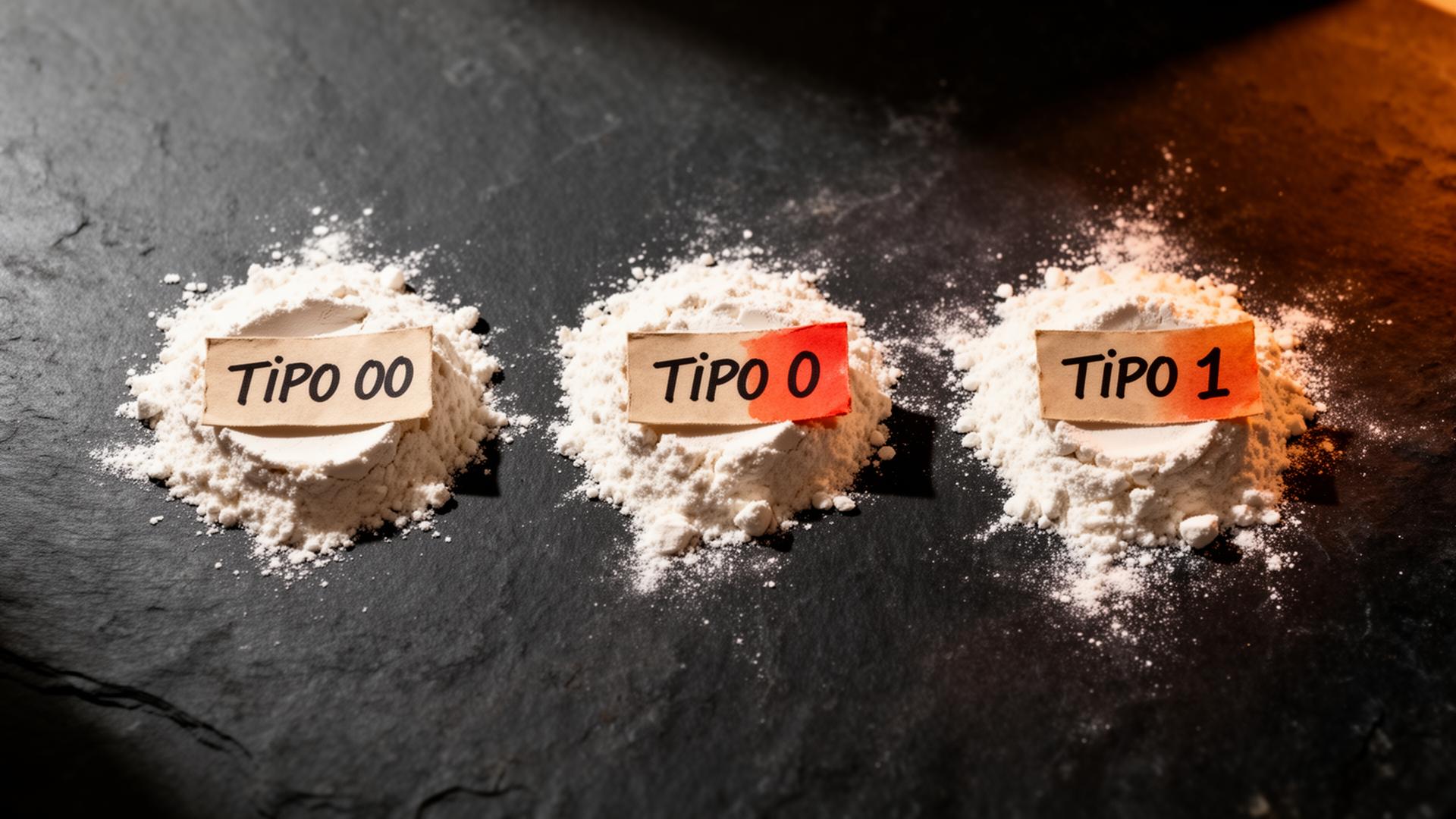
Cause 5: Wrong Flour
Very strong flour (W350+) or very high protein bread flour can create an excessively chewy, tough crumb even when properly baked.
Fix
- For Neapolitan: use Tipo 00 with W260–310
- For home oven: a good all-purpose or pizza flour (W220–260) works well
- Avoid pure bread flour unless you're making a style that calls for it
The Gummy Crumb Diagnostic
| What You See | Likely Cause | Quick Fix |
|---|---|---|
| Gummy center, crisp outside | Under-baked | Bake longer, higher temp |
| Gummy everywhere | Too much hydration for oven | Reduce hydration |
| Gummy and dense | Under-fermented | Ferment longer |
| Chewy but fully baked | Flour too strong | Switch to softer flour |
| Gummy bottom, fine top | Stone not hot enough | Preheat stone longer |
Pro Tip: The Knock Test
Tap the bottom of your baked pizza. A properly baked pizza sounds hollow, like knocking on a door. If it sounds dull or heavy, it needs more time.