Why Is My Pizza Bottom Soggy?
A wet, undercooked pizza bottom is one of the most common home-baking frustrations. The good news: it's almost always fixable once you identify the cause.
There are three main culprits: insufficient heat from below, too much moisture on top, and dough that's too thick or under-fermented.
The Heat Problem
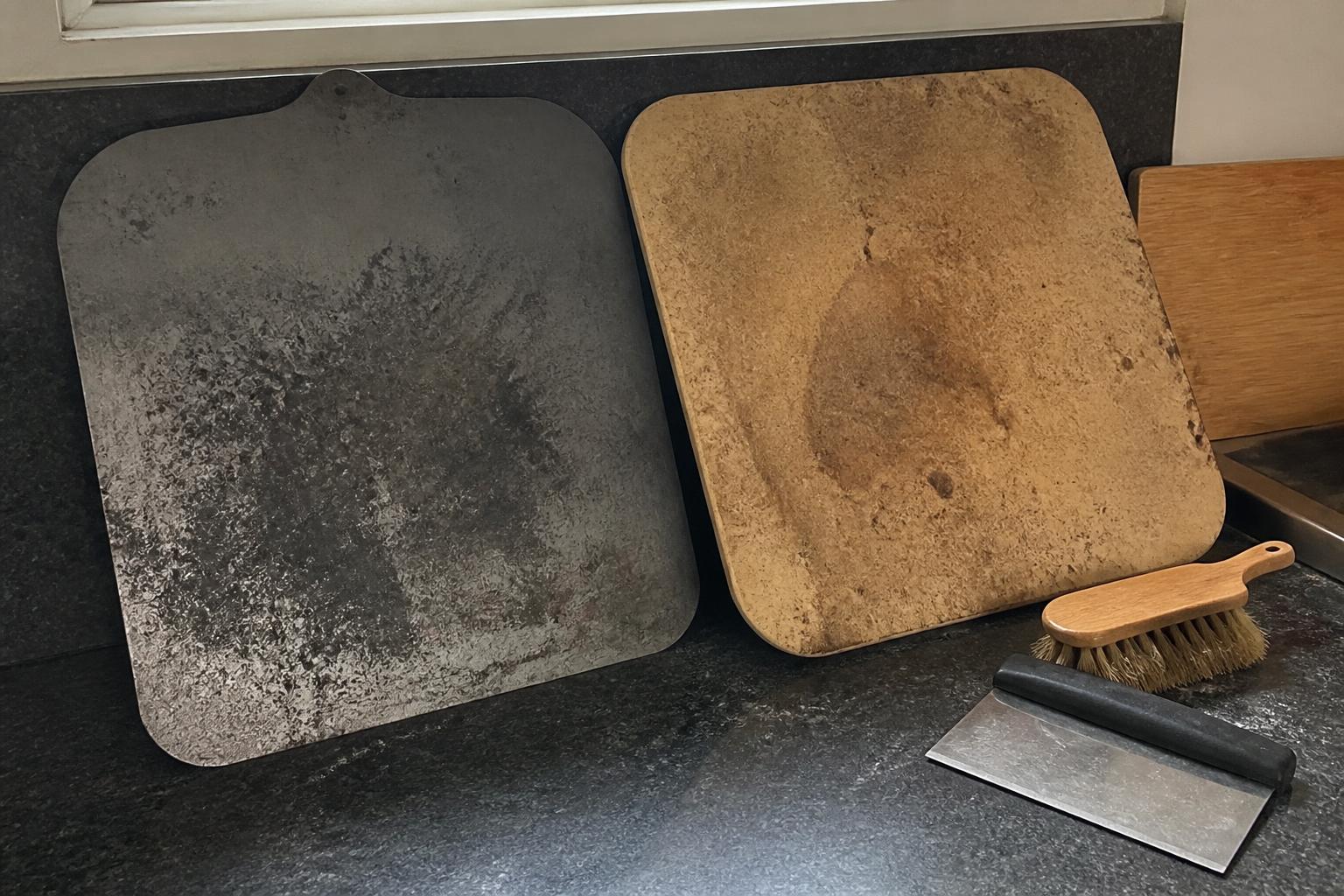
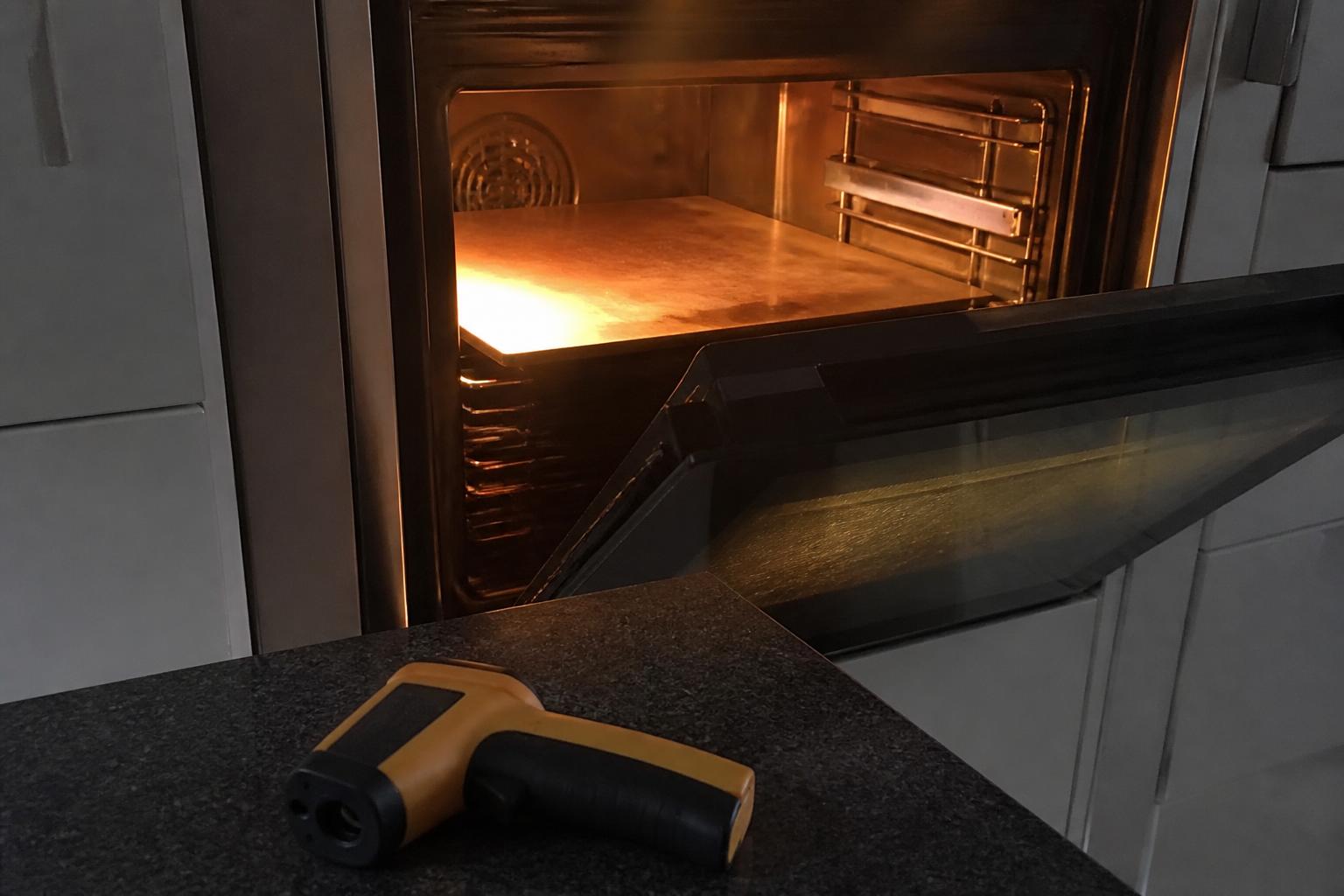
Your baking surface needs to be screaming hot before the pizza goes in. A cold or lukewarm stone/steel means the bottom can't set fast enough.
What to do
- Preheat your stone or steel for at least 45–60 minutes at maximum oven temperature
- Place your stone/steel on the lowest rack position to maximize bottom heat
- If using a steel, 30–40 minutes may suffice — steel transfers heat much faster
- Consider switching from stone to steel if soggy bottoms persist
The Moisture Problem
Too much sauce, wet toppings, or fresh mozzarella releases steam that soaks through the base before it can crisp.
What to do
- Use less sauce than you think — spread it thin
- Drain fresh mozzarella for at least 15 minutes on paper towels before using
- Pat wet vegetables (tomatoes, mushrooms, peppers) dry before topping
- Add delicate toppings after baking, not before
- Consider a thin layer of olive oil on the dough as a moisture barrier
The Dough Problem
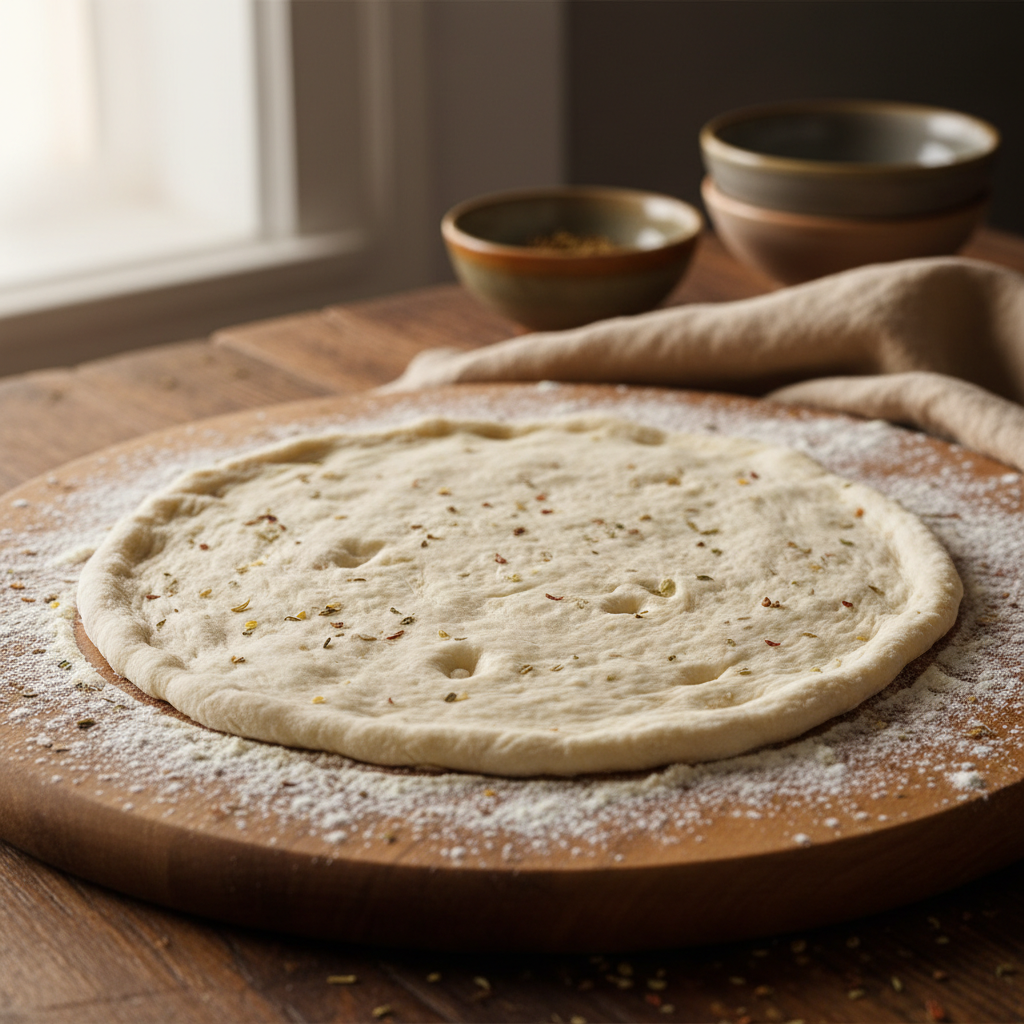
Under-fermented or too-thick dough won't develop the internal structure needed to stay crisp.
What to do
- Ensure proper fermentation — the dough should be well-risen and airy
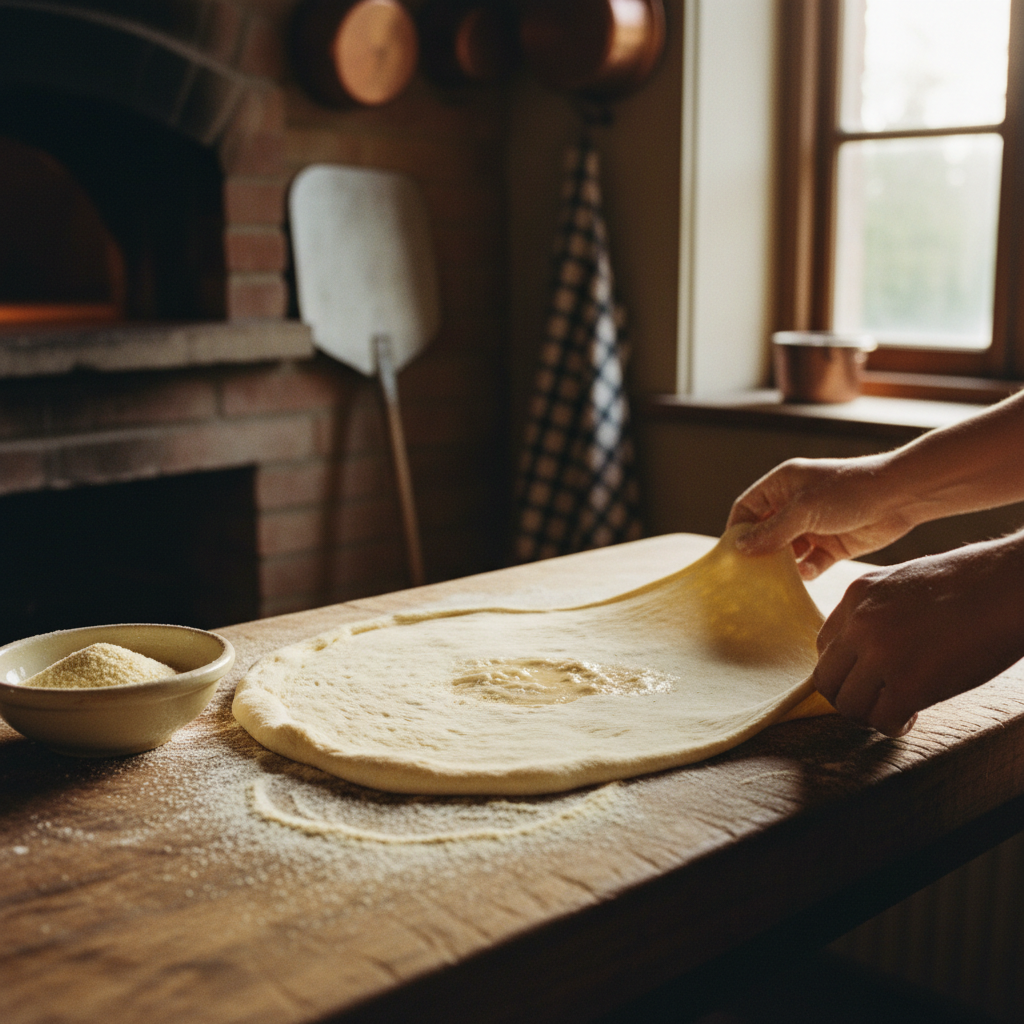
- Stretch your dough thinner in the center — it should be nearly translucent
- Don't overload with too much dough per pizza — weigh your balls
- A 250g ball should stretch to 28–32cm diameter
The Timing Fix
Even with everything right, leaving a pizza too long in a moderate oven creates steam buildup.
What to do
- Bake at the highest temperature your oven allows
- At 250°C: aim for 8–10 minutes max
- At 300°C+: 5–6 minutes
- In a pizza oven at 450°C+: 60–90 seconds
- Remove immediately when the rim is golden and the cheese is bubbling
Quick Diagnostic
| Symptom | Likely Cause | Fix |
|---|---|---|
| Center is wet, rim is fine | Too much sauce/toppings | Reduce moisture, stretch thinner |
| Entire bottom is pale and soft | Stone not hot enough | Preheat longer, use lower rack |
| Bottom starts crisp, gets soggy | Too long in oven at low temp | Increase temperature, reduce time |
| Bottom is doughy, not raw | Under-fermented dough | Ferment longer, check yeast |