Why Does My Pizza Have No Oven Spring?
Oven spring is that dramatic puff of the rim (cornicione) that happens in the first seconds of baking. When it doesn't happen, you get a flat, dense pizza with no airy crust. Here's why — and how to fix it.
Cause 1: Over-Proofed Dough
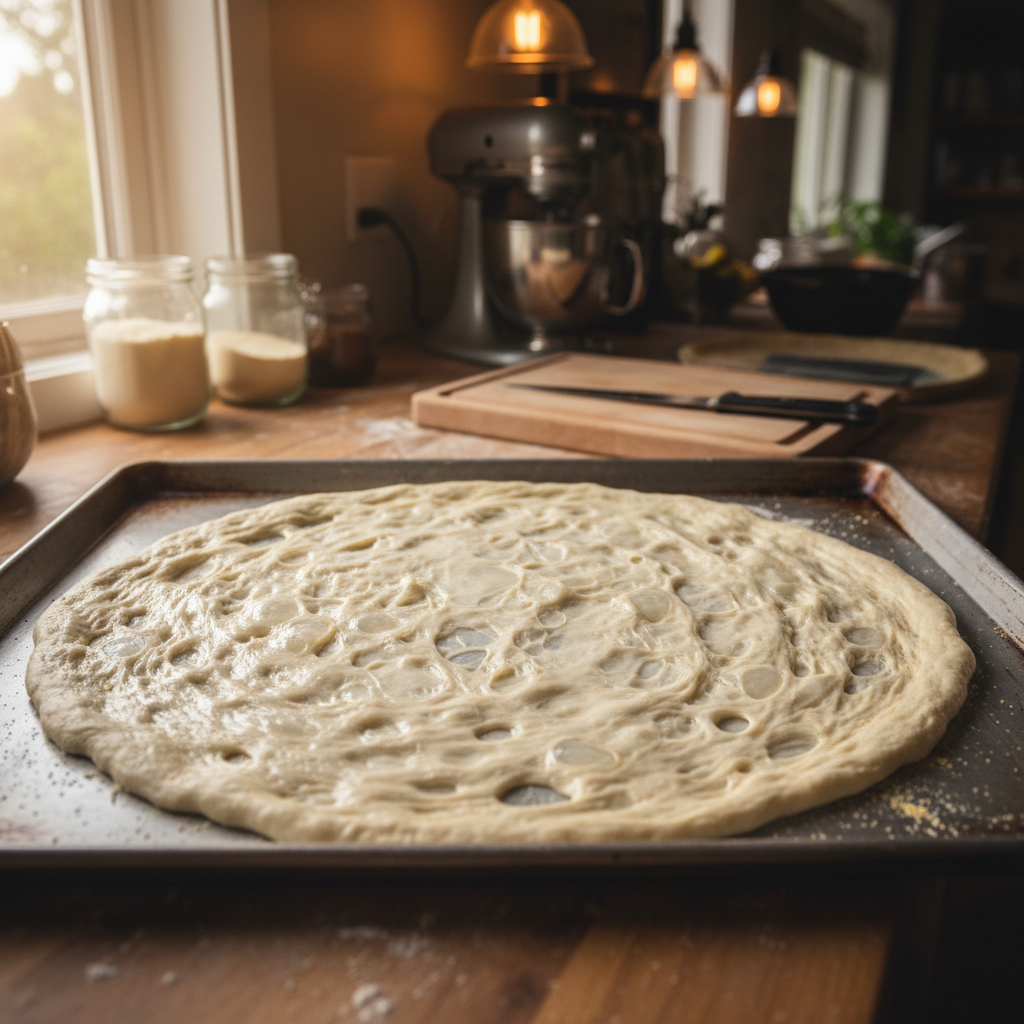
The most common reason. If your dough has fermented too long or at too high a temperature, the gluten structure is exhausted and can't trap gas anymore.
Signs of over-proofing
- Dough feels very slack and sticky
- Surface has large, irregular bubbles
- Dough doesn't spring back when poked — it just stays dented
- Sour or alcoholic smell
Fix
- Reduce fermentation time or lower the temperature
- Use less yeast for long cold fermentation
- Keep a closer eye on the dough — it's ready when it has doubled (not tripled)
- Use the RISE. flow calculator to dial in your timing
Cause 2: Under-Proofed Dough
Under-proofed dough hasn't developed enough gas to create oven spring. The gluten is still tight and resists expansion.
Signs of under-proofing
- Dough feels dense and elastic
- Springs back aggressively when you try to stretch it
- Tears easily during shaping
- Very little visible bubble structure
Fix
- Allow more fermentation time
- Ensure dough is at the right temperature (not stuck in a too-cold fridge)
- Let cold dough acclimatize for 1–2 hours before baking
Cause 3: Oven Not Hot Enough
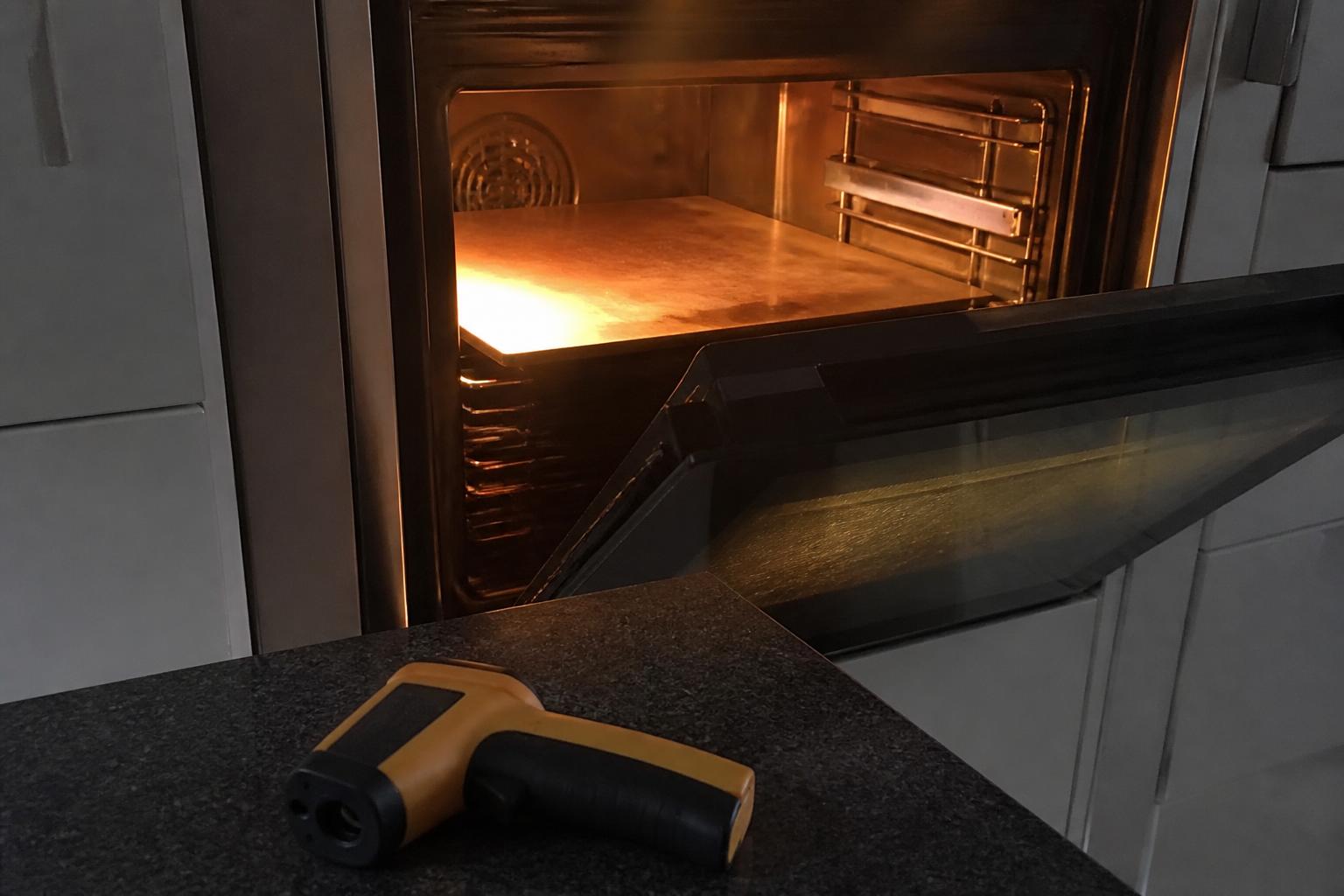
Oven spring requires intense, immediate heat. In a lukewarm oven, the dough sets before it can expand.
Fix
- Preheat to maximum temperature for at least 45–60 minutes
- Use a pizza stone or steel — they store and radiate heat
- If possible, use the broiler/grill for the last minute to boost top heat
- Position the stone/steel on the top third of the oven for more radiant heat on the rim
Cause 4: Shaping Killed the Gas
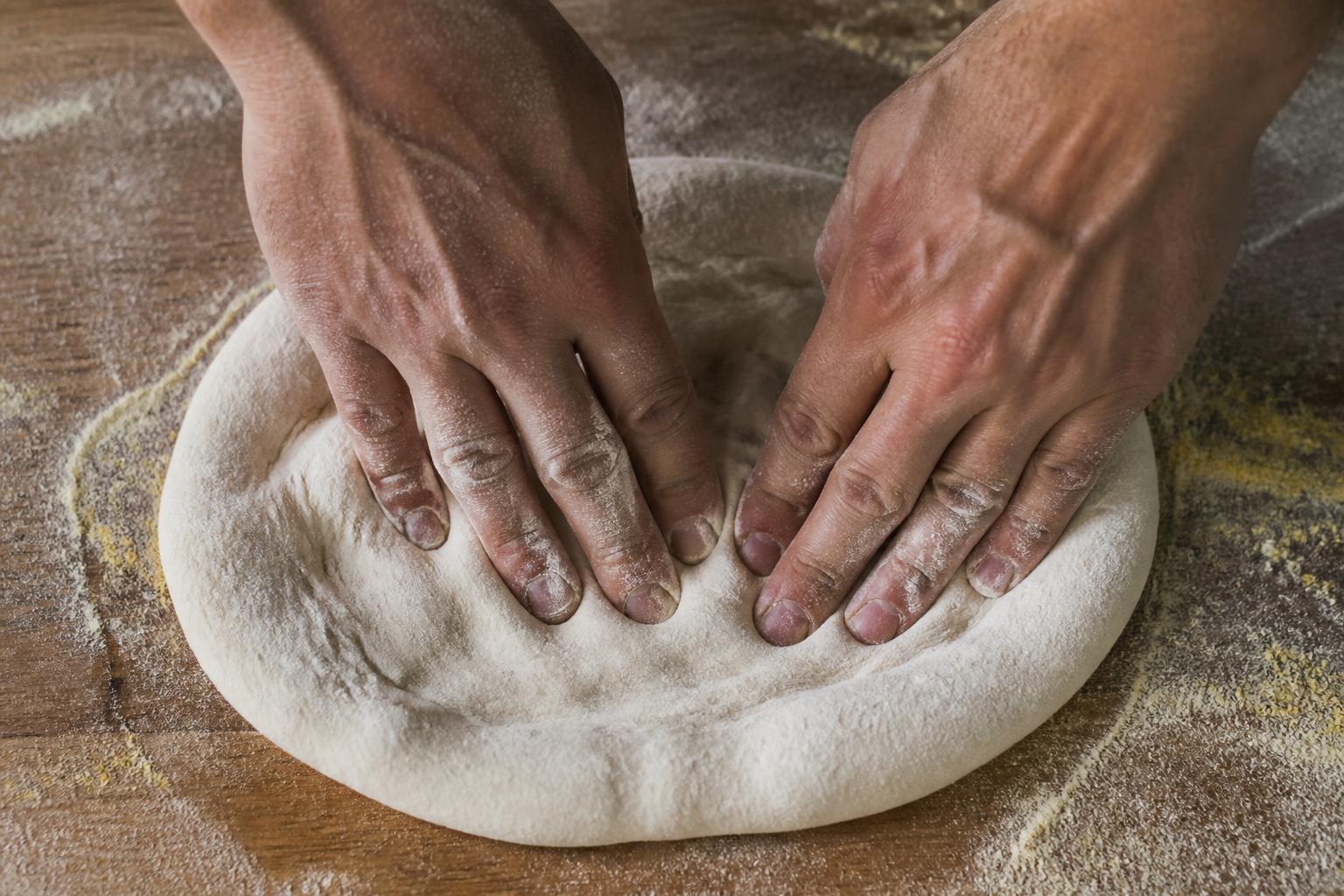
Aggressive shaping, rolling pins, or excessive handling pushes all the gas out of the dough before it even reaches the oven.
Fix
- Never use a rolling pin for Neapolitan-style pizza
- Shape gently from the center outward, leaving the outer rim untouched
- Use your fingertips, not your palms, to press the center
- Work quickly — 30 seconds max for shaping
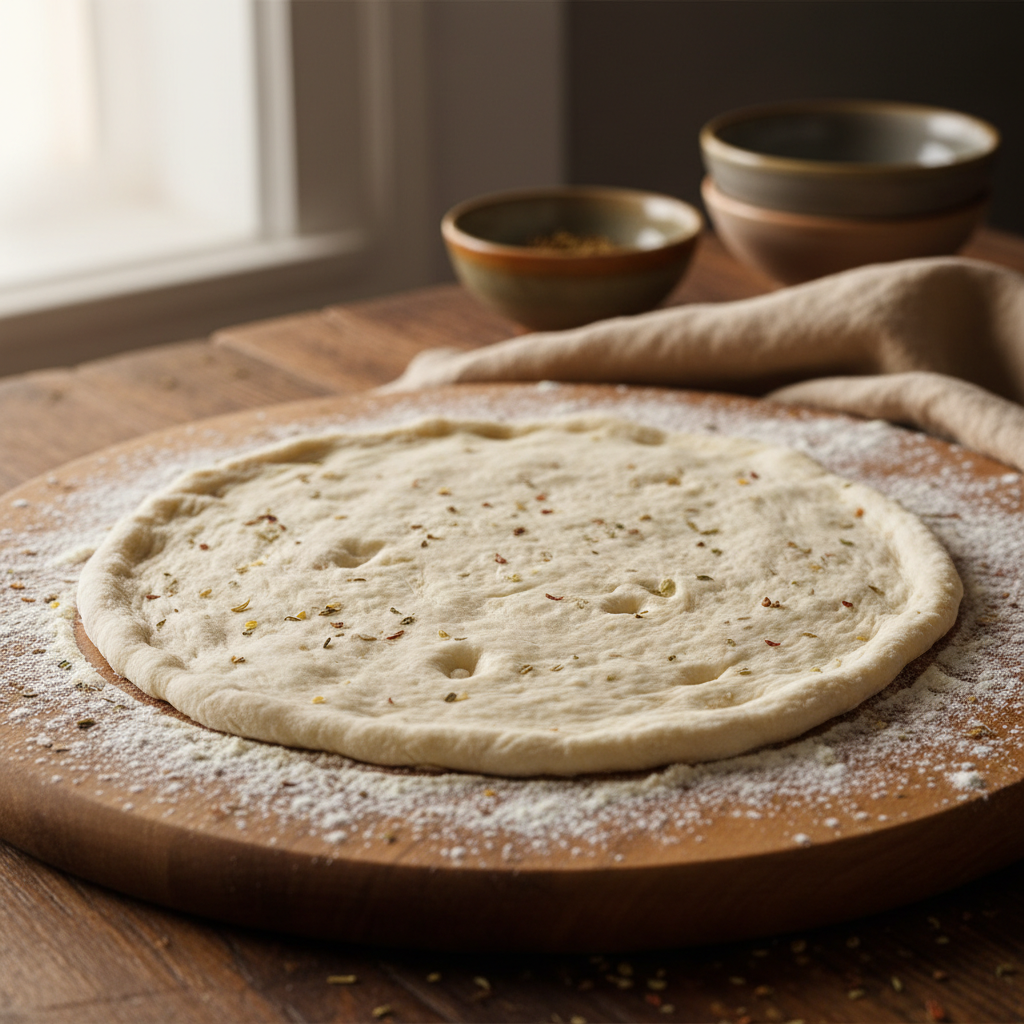
- Keep the rim (cornicione) as a puffy border, about 1–2cm wide
Cause 5: Wrong Dough for the Job
Low-hydration, heavily oiled, or very enriched doughs don't produce dramatic oven spring. That's by design — Roman teglia and pan pizzas aren't meant to puff like Neapolitan.
Fix
- For big oven spring, use 62–68% hydration with no oil
- Use flour with adequate W-value (260–320W for Neapolitan)
- Match your expectations to your pizza style