What Is Overproofing?
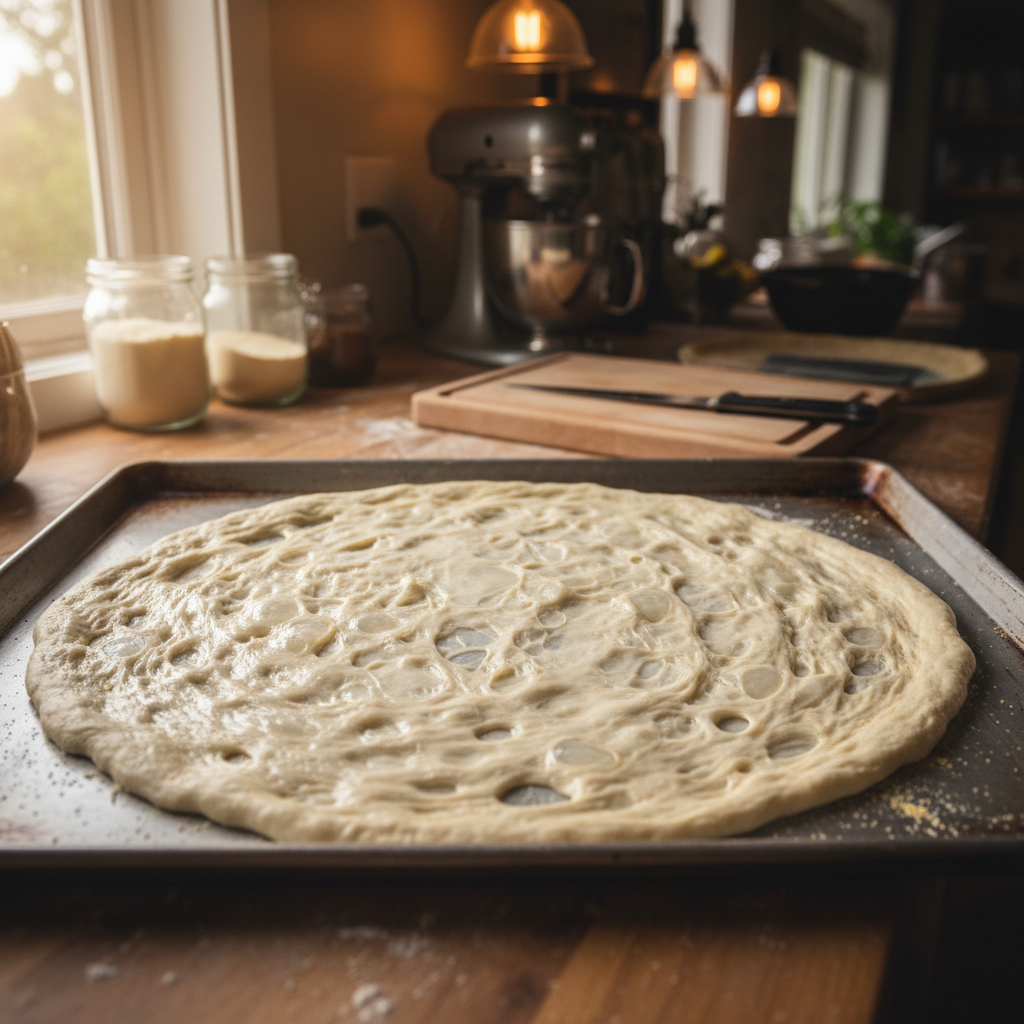
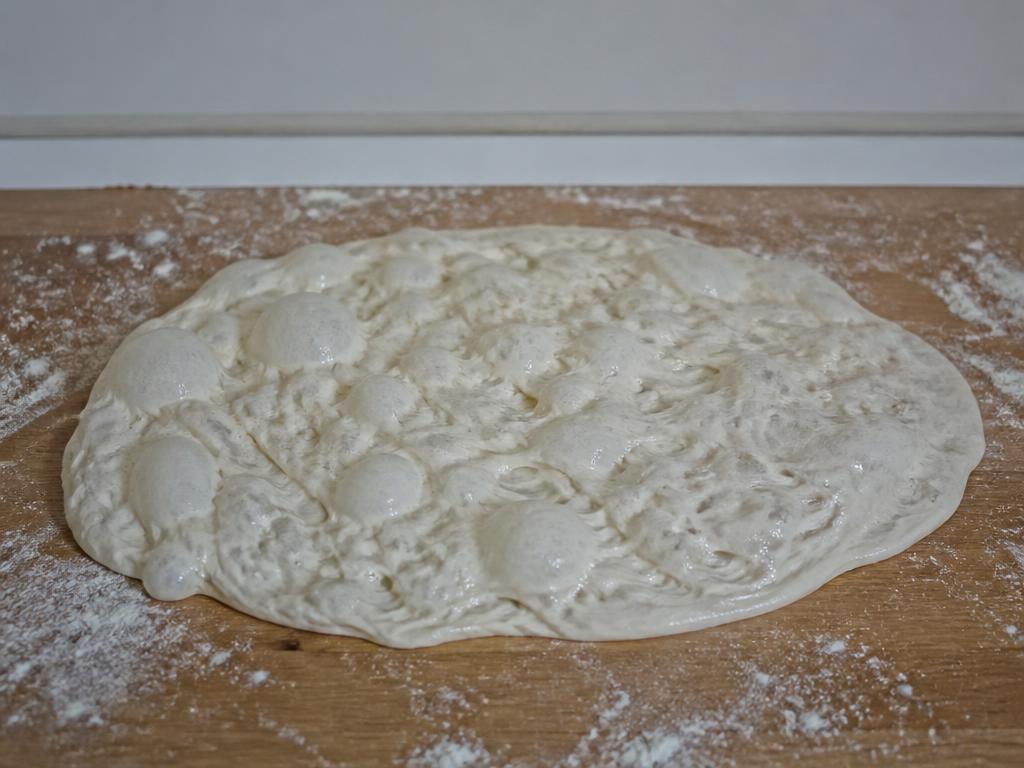
Overproofing occurs when yeast has consumed too much of the available sugars and the gluten structure starts to break down. The dough loses its ability to hold gas and collapses.
Signs of Overproofed Dough
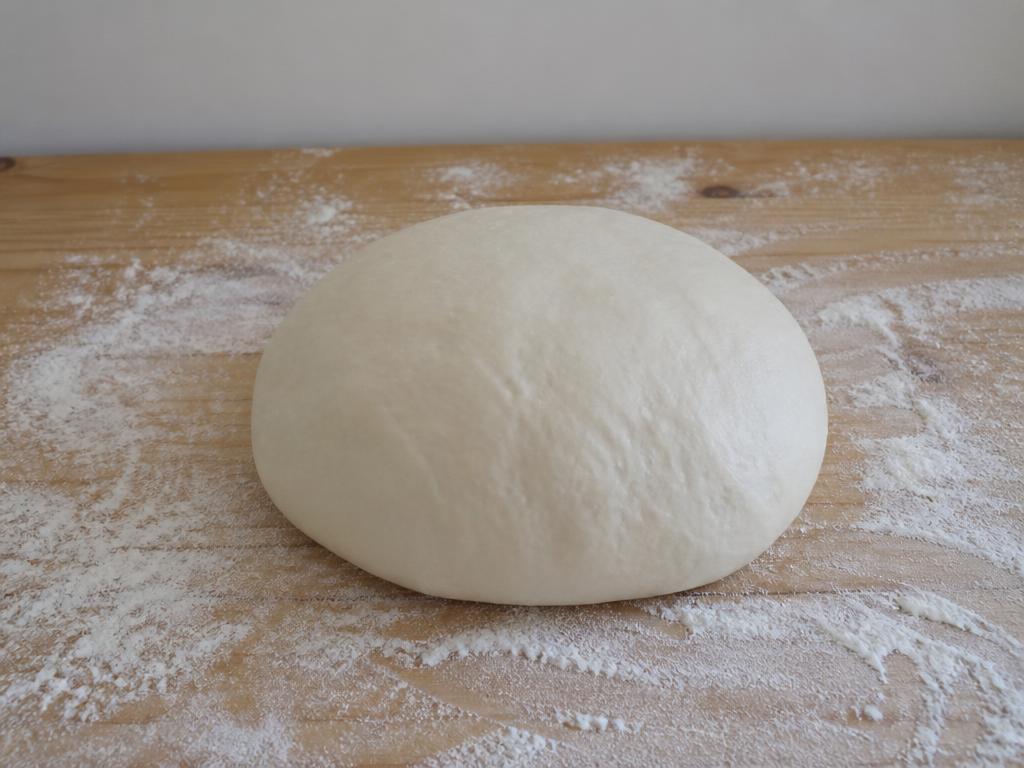
- Flat and spreading: Dough balls flatten out instead of holding a dome shape
- Large, irregular bubbles: Surface covered in big, thin-walled bubbles
- Sticky and wet: Gluten breakdown releases water, making dough feel wetter
- Sour smell: Strong acidic or alcoholic odor
- No spring-back: When poked, the indent stays permanently
- Tears easily: The gluten network is degraded
Can You Save Overproofed Dough?
Mildly Overproofed
If caught early (dough is soft and spreading but still has some structure): gently degas, reshape into balls, and use within 1-2 hours. The result won't be perfect but is usable.
Severely Overproofed
If the dough is liquid-like, extremely sour, and has no structure: it's done. Use it for focaccia or flatbread where structure matters less. For pizza, start over.
Prevention
1. Use Less Yeast
The #1 prevention method. Less yeast = slower fermentation = bigger safety window.
2. Control Temperature
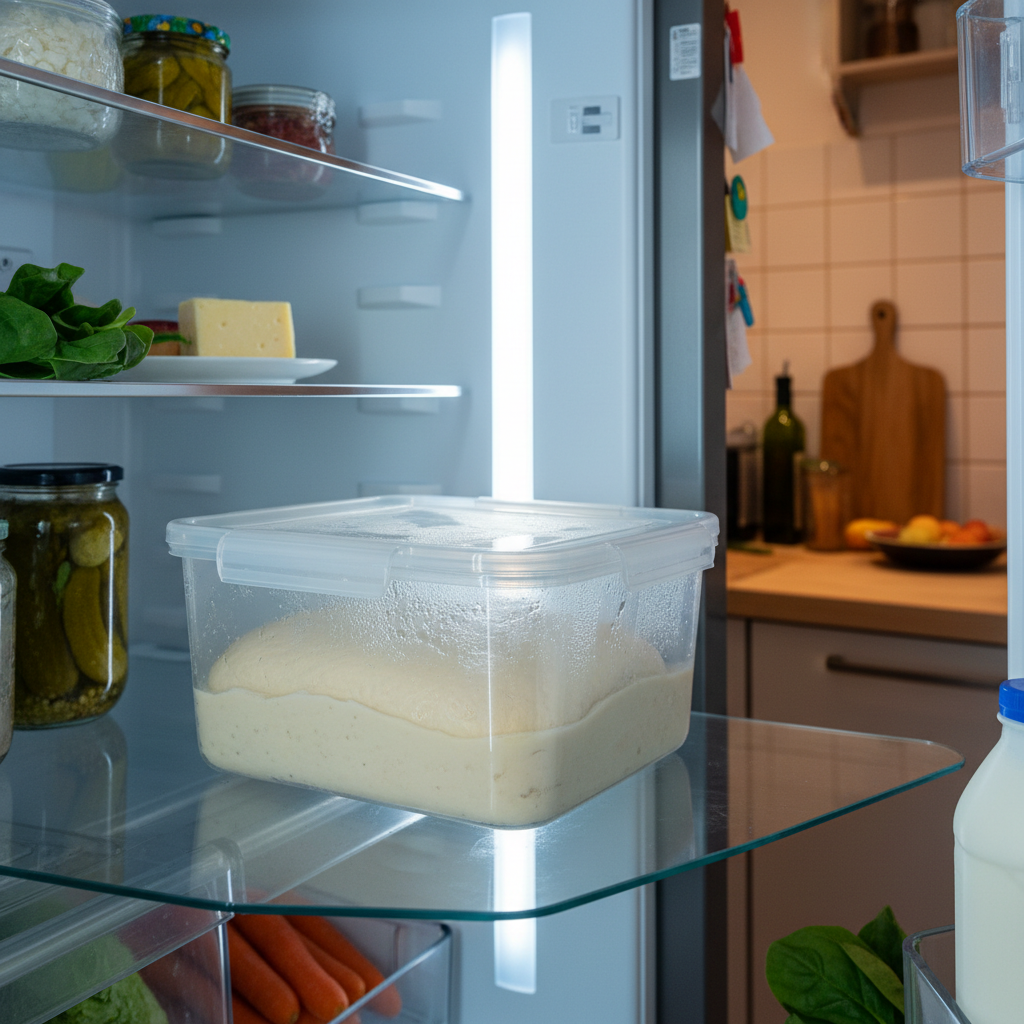
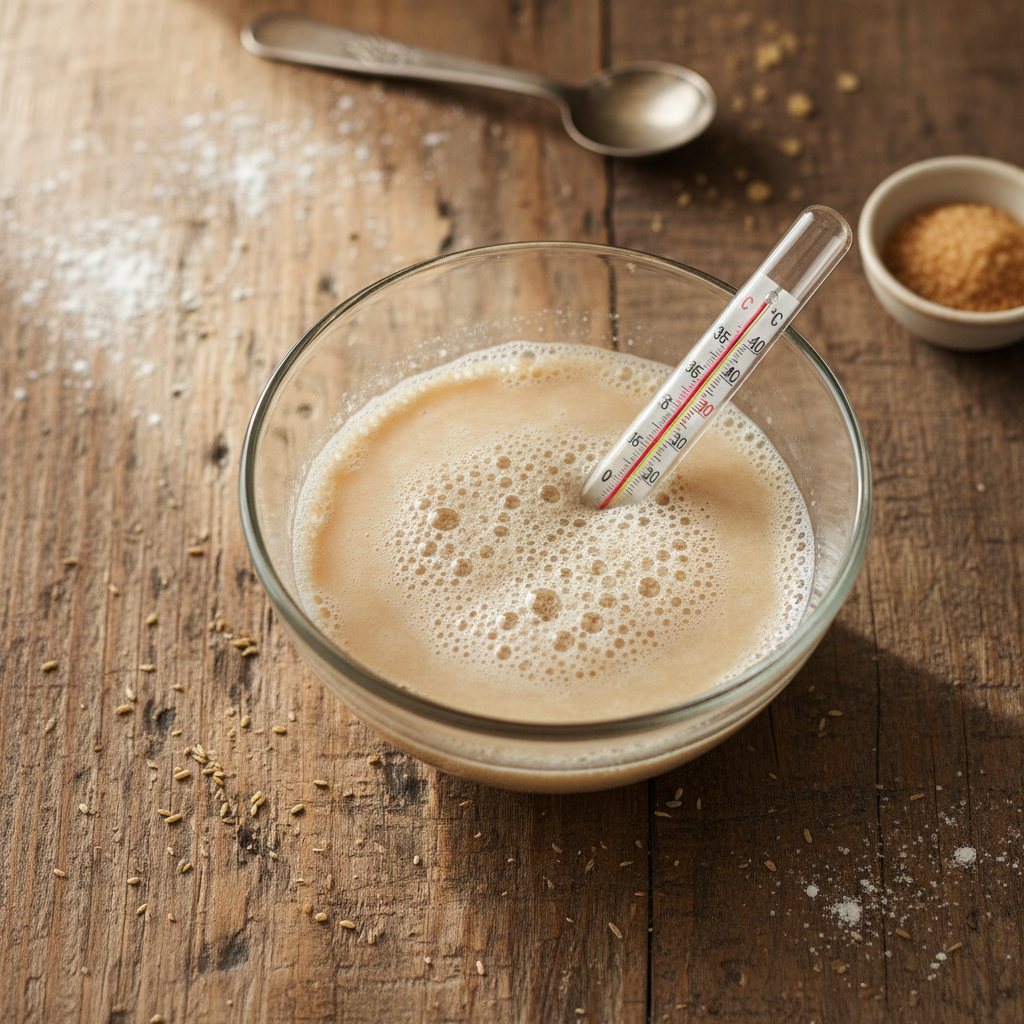
Keep cold ferments at 4-5°C. Check your fridge temp with a thermometer. A fridge at 7°C ferments significantly faster than one at 4°C.
3. Set Timers
Don't rely on memory. Set a phone alarm for when to check your dough.
4. Know Your Dough
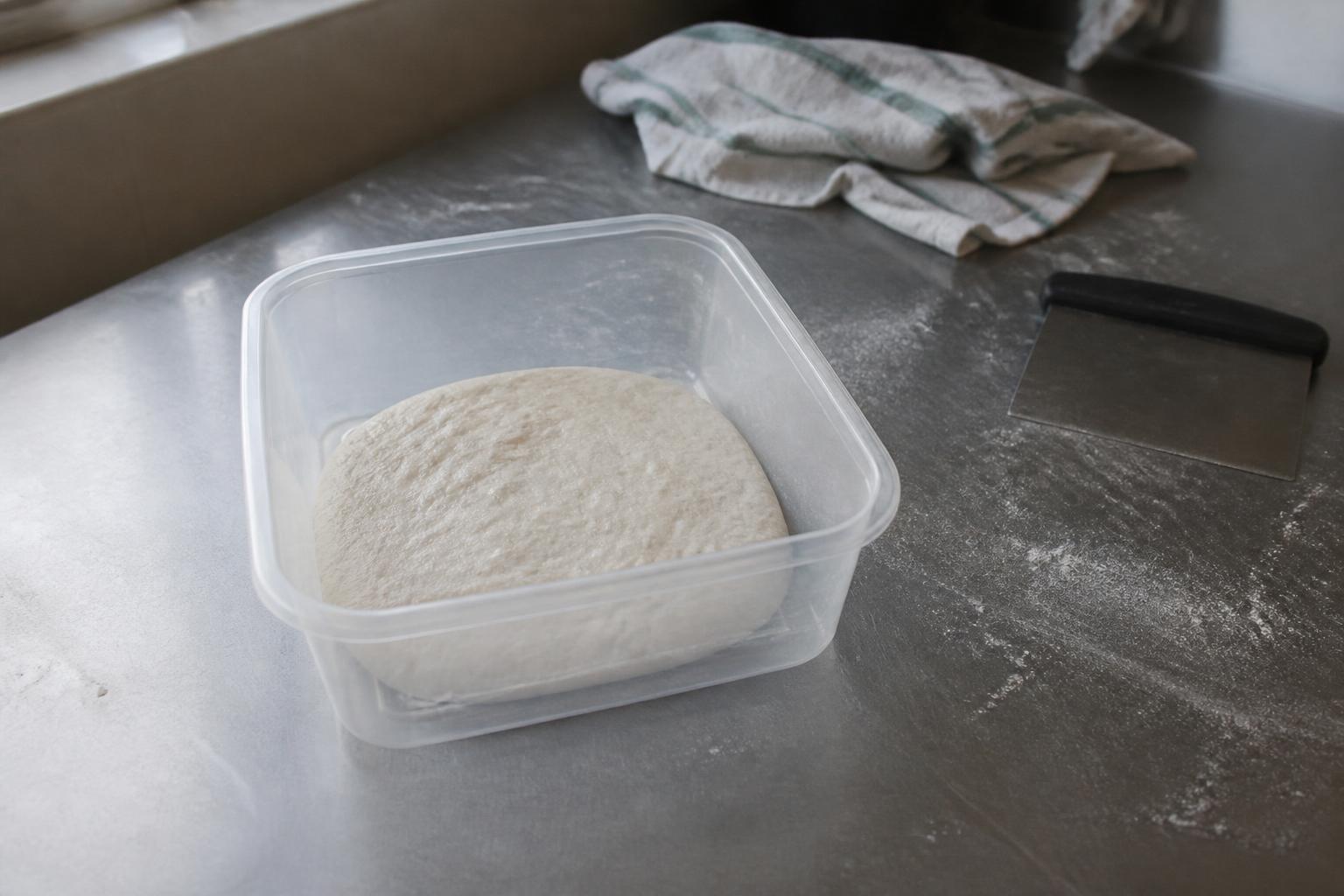
After a few batches, you'll develop intuition. A perfectly proofed dough ball jiggles like jelly when you shake the tray, holds its shape, and has a smooth surface with small bubbles.