Why Does My Dough Collapse When I Shape It?
You open the container, the dough looks beautifully risen — but the moment you touch it, it deflates like a sad balloon. This is one of the most frustrating pizza problems, and it has clear causes.
Cause 1: Over-Proofing (The #1 Reason)
Over-proofed dough has exhausted its gluten structure. The protein network that holds gas has stretched beyond its limit and become fragile. Any handling causes immediate collapse.
How to recognize it
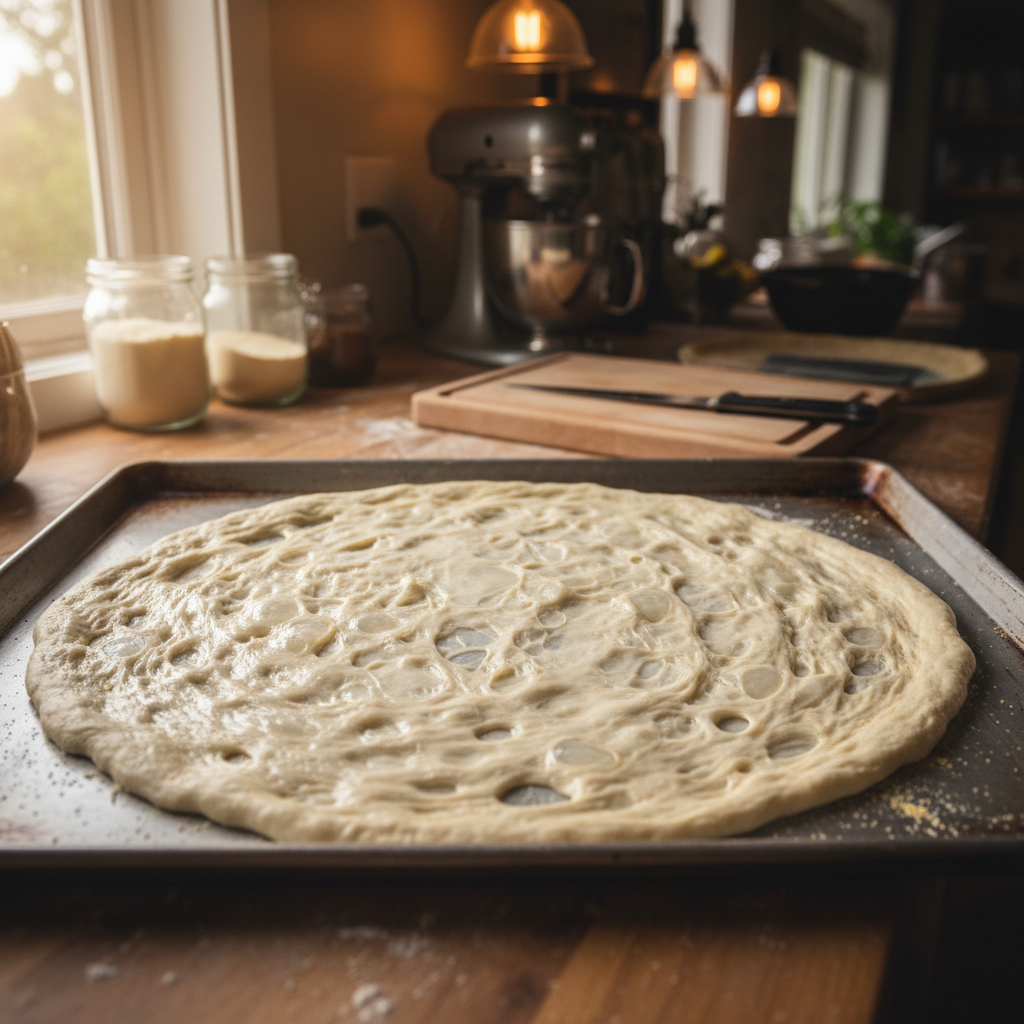
- Dough is very flat in the container (already spreading)
- Surface has large, irregular bubbles
- When poked, the indent stays — no spring-back at all
- Sour or alcoholic smell
- Extremely sticky and slack
Fix
- Reduce fermentation time or lower the temperature
- Use less yeast for long cold fermentation
- Monitor your dough — it's ready when it has roughly doubled, not tripled
- Set timers or use the RISE. dough flow to track your schedule
Cause 2: Rough Handling
Even properly fermented dough will collapse if you handle it aggressively.
What to avoid
- Don't slam the container on the counter
- Don't poke or prod the dough unnecessarily
- Don't scrape it out with force — be gentle
- Never use a rolling pin for Neapolitan-style
Proper technique
- Flour your surface generously
- Ease the dough out with a dough scraper, letting gravity help
- Place it gently on the floured surface
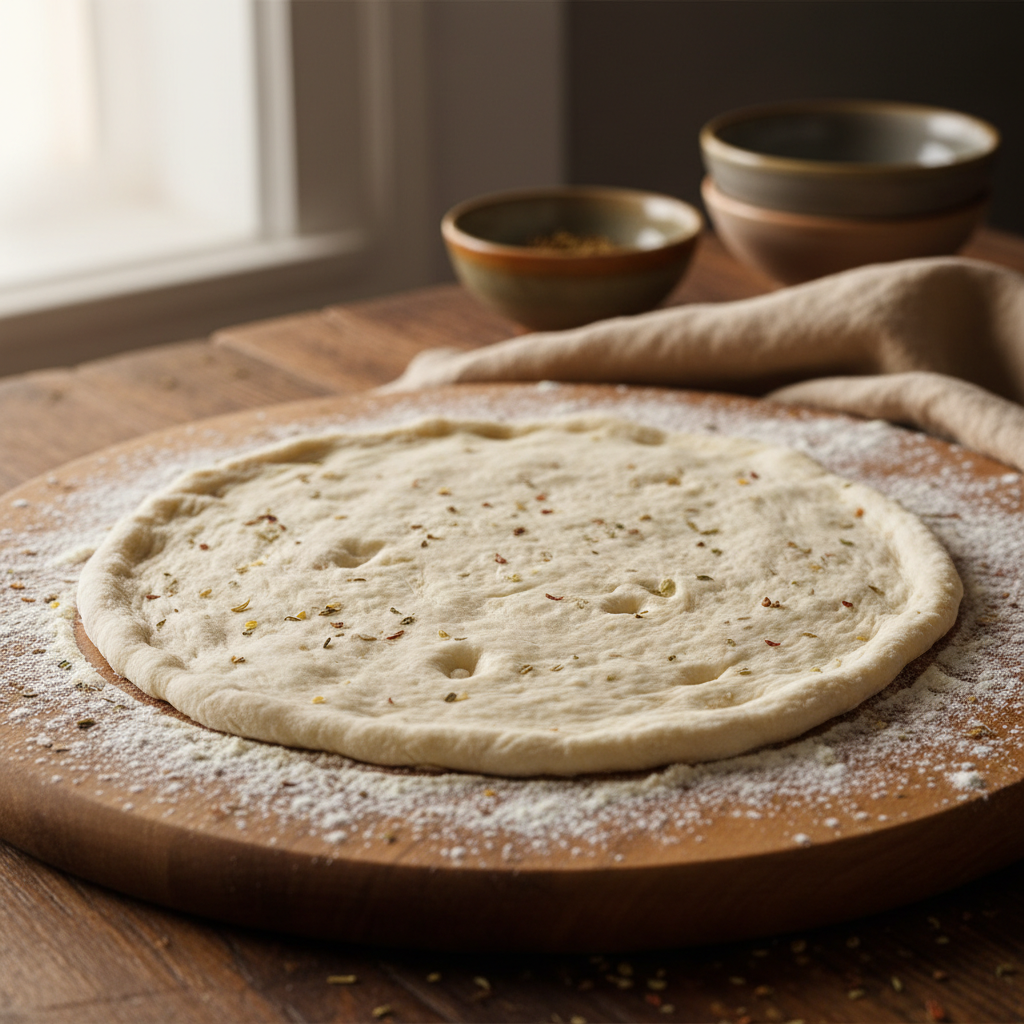
- Press from the center outward with fingertips only
- Leave the outer rim completely untouched
- Work quickly — under 30 seconds
Cause 3: Weak Gluten Development
If the gluten wasn't properly developed during mixing/kneading, the structure can't hold gas under pressure.
Signs
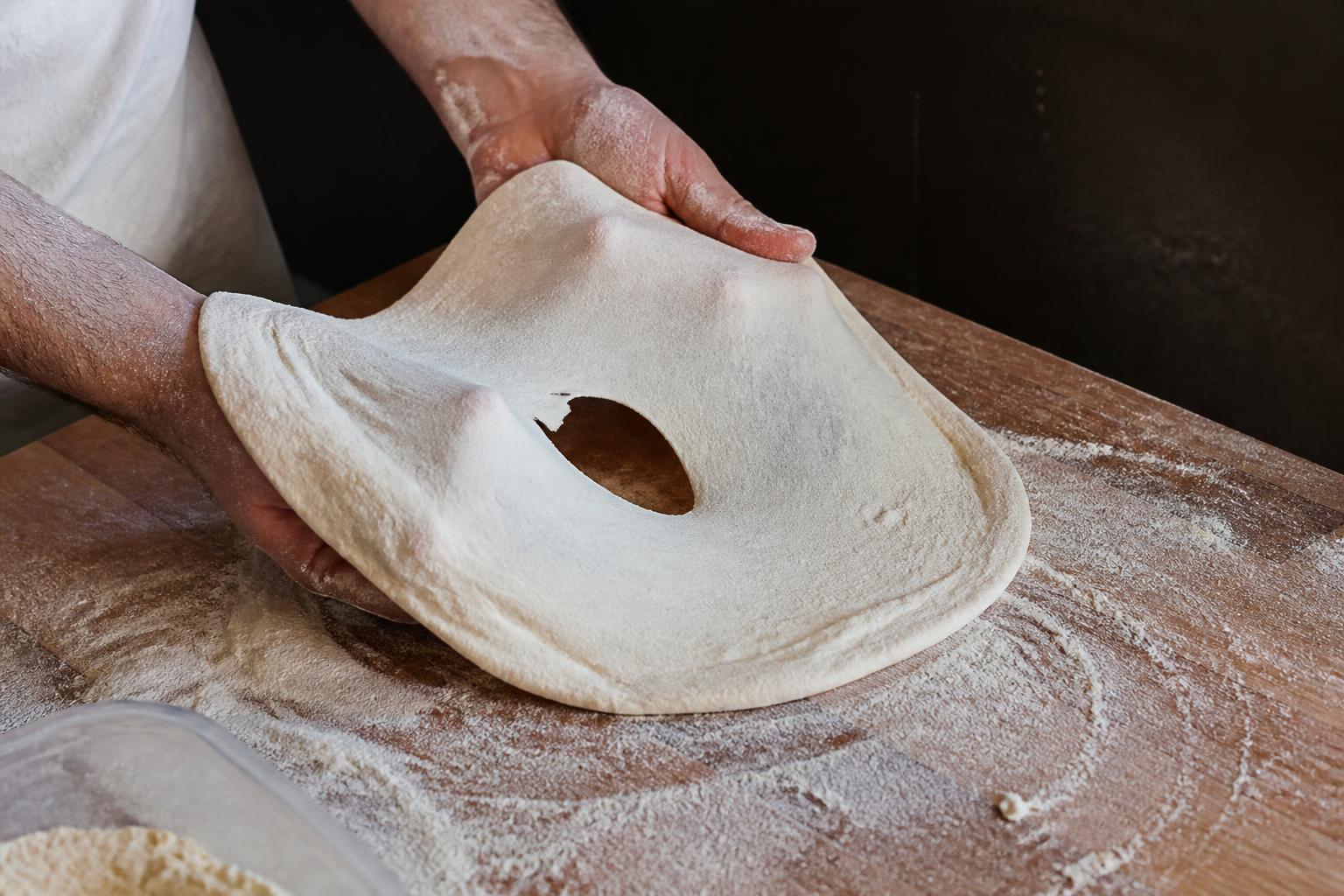
- Dough tears easily (fails the windowpane test)
- Uneven, ragged texture
- Doesn't hold its ball shape well
Fix
- Knead longer or more effectively
- Use flour with adequate protein/W-value
- Try stretch-and-fold during bulk fermentation for gentle gluten development
- Ensure adequate salt (inhibits enzyme activity that breaks down gluten)
Cause 4: Temperature Shock
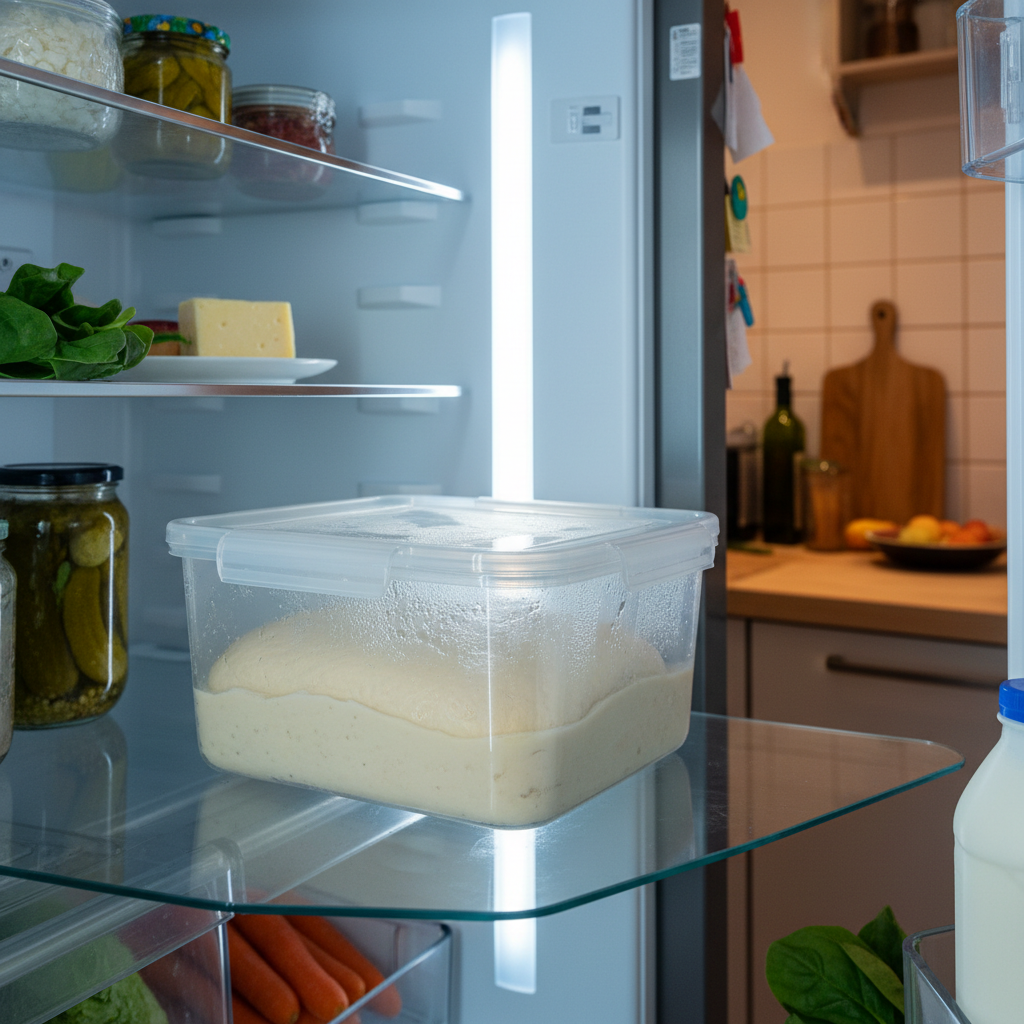
Taking ice-cold dough from the fridge and immediately trying to shape it can cause issues — the cold dough is stiff and you have to force it, degassing in the process.
Fix
- Let cold dough acclimatize for 1–2 hours at room temperature before shaping
- The dough should feel relaxed and pliable, not tight and resistant
- If it springs back aggressively, it needs more rest time