What Is Pinsa?
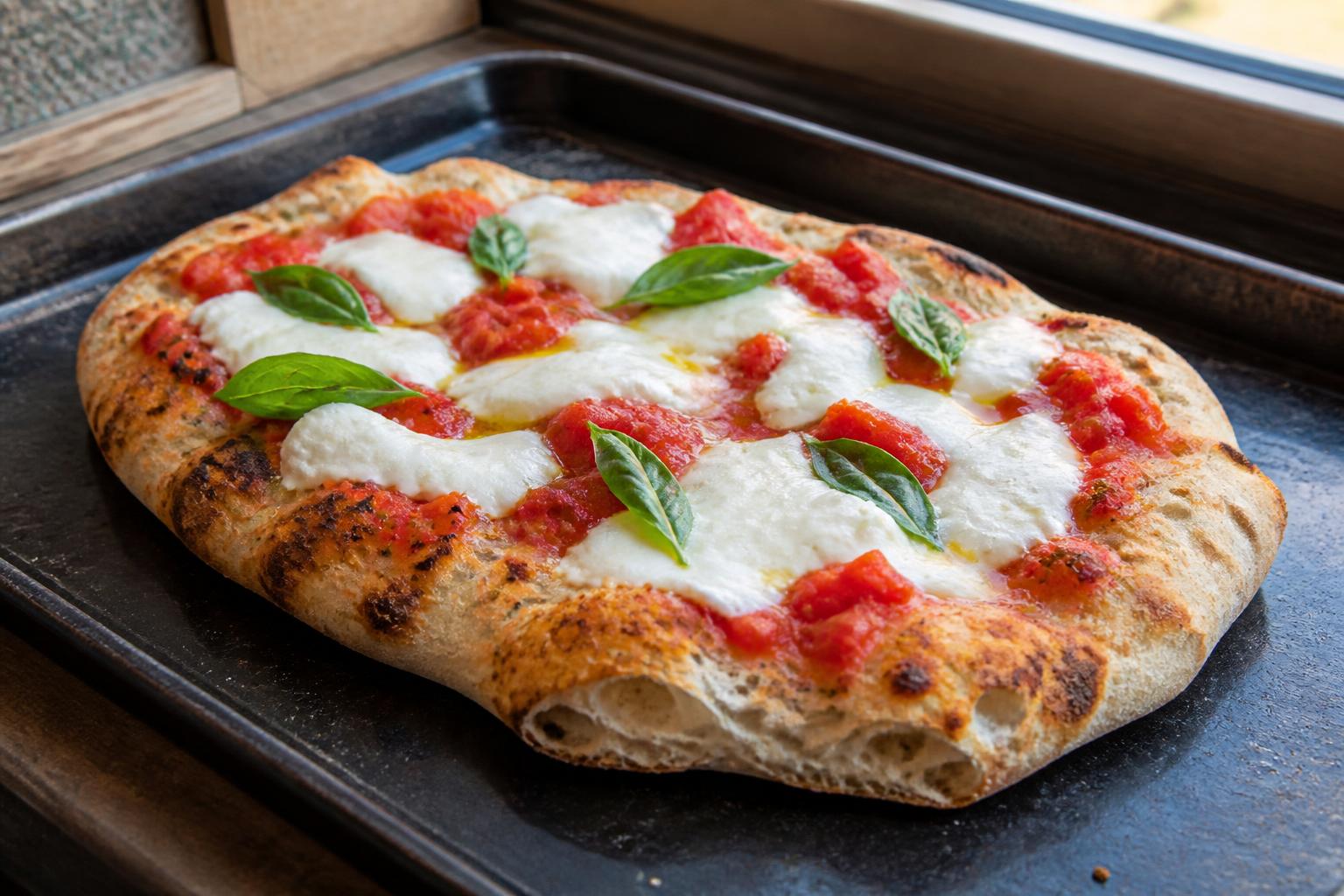
Pinsa Romana is a modern revival inspired by ancient Roman flatbreads. While its "ancient origins" are partly marketing (the modern version was developed by Corrado Di Marco in 2001), the result is genuinely distinctive: an oval-shaped, cloud-light flatbread with a unique flour blend.
The Flour Blend
What sets pinsa apart is its multi-grain approach:
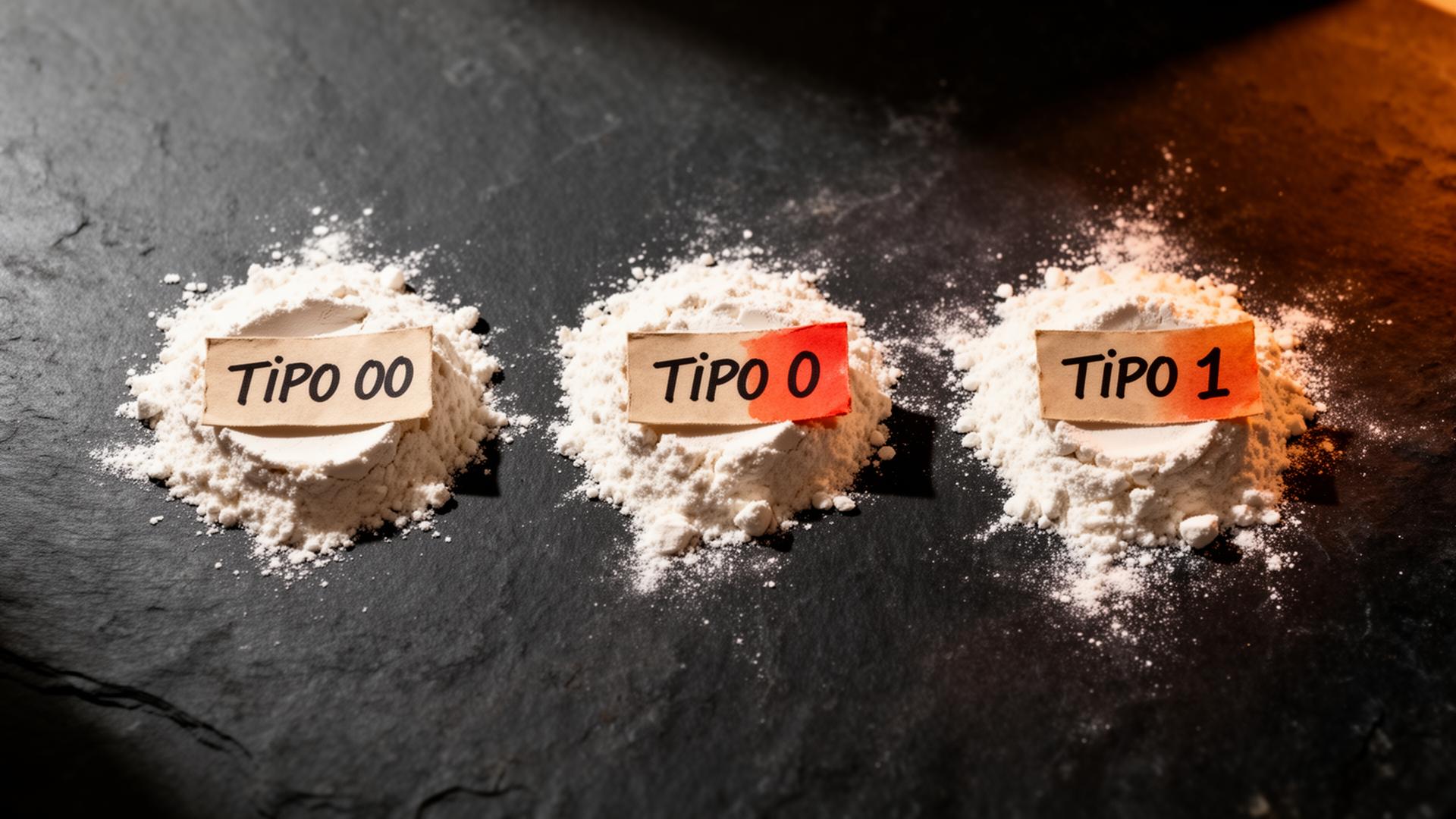
- Wheat flour (Type 0 or 00) – 60–70% of the blend
- Rice flour – 20–25% (adds crunch and lightness)
- Soy flour – 5–10% (adds protein and golden color)
- Some recipes add spelt flour for nuttiness
This blend creates a dough that's easier to digest and has a distinctive crispy-yet-airy texture.
Hydration and Fermentation
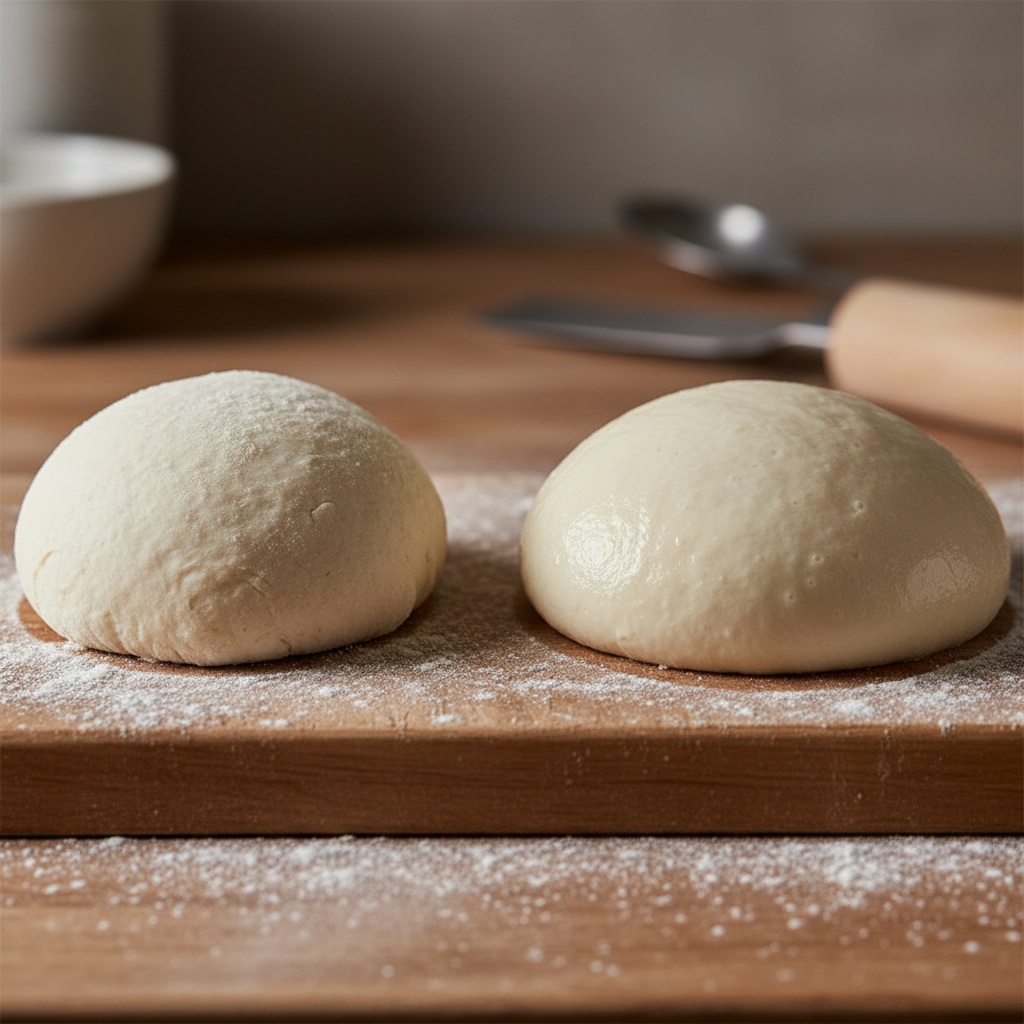
- 80%+ hydration – the rice and soy flours absorb differently than wheat
- Very minimal yeast (0.05–0.1g per 100g flour)
- 72–120 hour cold fermentation – yes, up to five days!
- The long ferment breaks down complex sugars, making the crust extremely digestible
Shaping
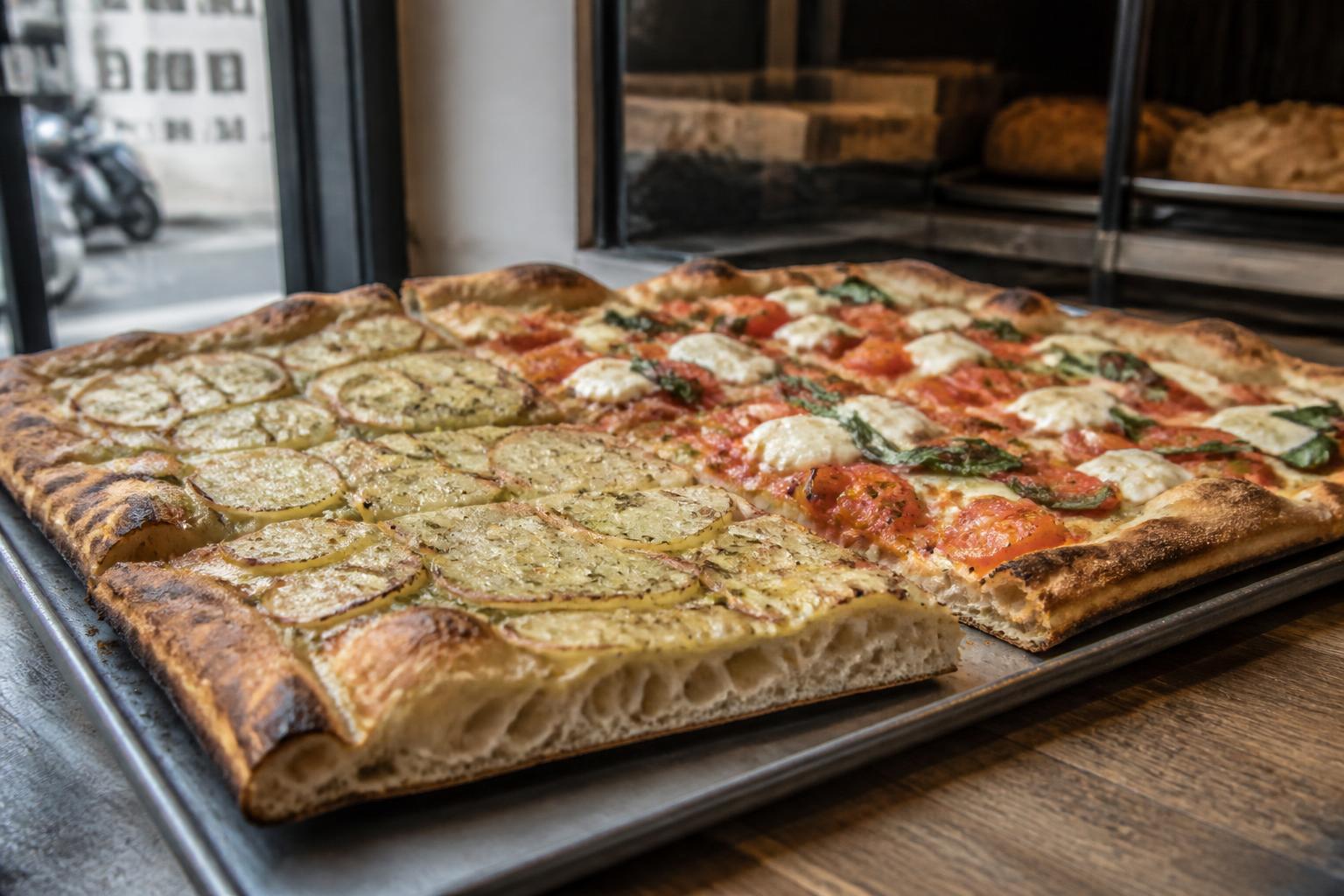
Pinsa is always oval, never round. The dough is pressed gently with fingertips from the center outward, leaving a puffy, irregular rim. It should never be rolled or stretched aggressively.
Baking
- Traditionally baked at very high heat (330°C / 625°F) for 2–3 minutes
- Home oven: 250–280°C on a preheated stone, 6–8 minutes
- The thin center crisps while the rim puffs up dramatically
Pinsa vs. Pizza: Key Differences
| Feature | Pinsa | Pizza |
|---|---|---|
| Shape | Oval | Round |
| Flour | Multi-grain blend | Wheat only |
| Hydration | 80%+ | 55–70% |
| Fermentation | 72–120 hours | 8–48 hours |
| Texture | Cloud-light, crispy | Soft to crispy |
| Fat | Olive oil in dough | Usually none |