Pizza Sticks to the Peel? Here Is Why and How to Fix It

The most common reason a pizza refuses to launch is not the peel — it is time. Here is the complete checklist: dusting, technique, peel choice, and the 30-second rule.

6 min5/4/2026
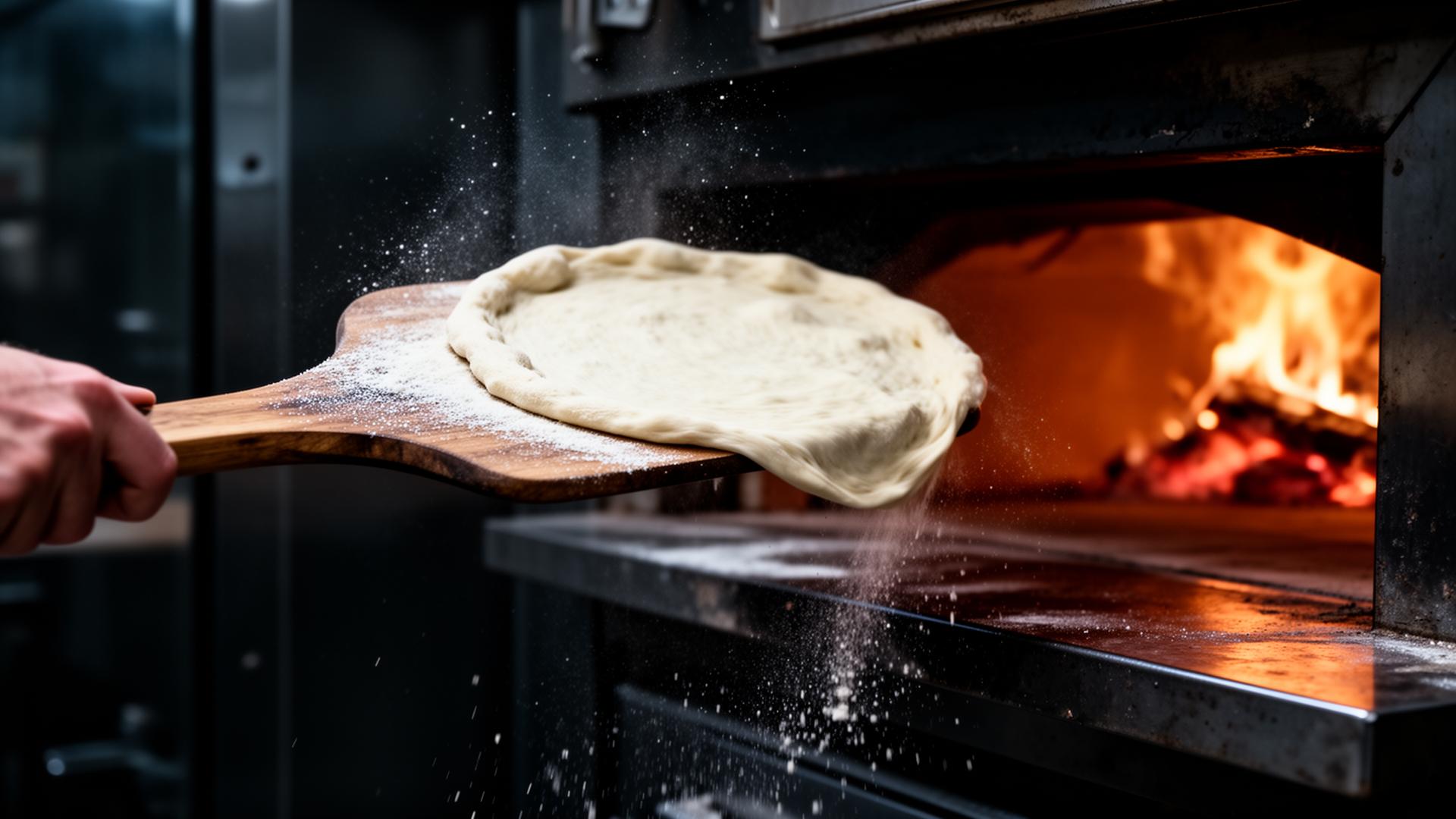
Wooden pizza peel dusted with semolina launching a stretched raw pizza into a hot wood-fired oven

Quick Answer

Why does my pizza stick to the peel?

The most common reason is time — water from the dough and toppings seeps into the wooden peel within 30–60 seconds and glues the pizza in place. Other causes: dusting with regular flour instead of semola, a wet dough bottom, or skipping the shake test before walking to the oven.

The 30-Second Rule

A topped pizza on a peel is on a timer. The moment you place the dough on a wooden surface and add wet toppings, water starts seeping through the dough into the wood. After 30–60 seconds the dough is glued to the peel — and there is no recovery short of scraping it off and starting over.

If you remember nothing else from this article, remember this: stretch, top, launch — fast. Get all your toppings within arm's reach before you put the dough on the peel.

Why It Sticks (Ranked by Frequency)

1. You took too long topping it

By far the number one cause. Even the best-dusted peel will fail if you spend two minutes arranging mozzarella perfectly. Toppings should hit the dough in under 30 seconds.

2. Wrong dusting flour

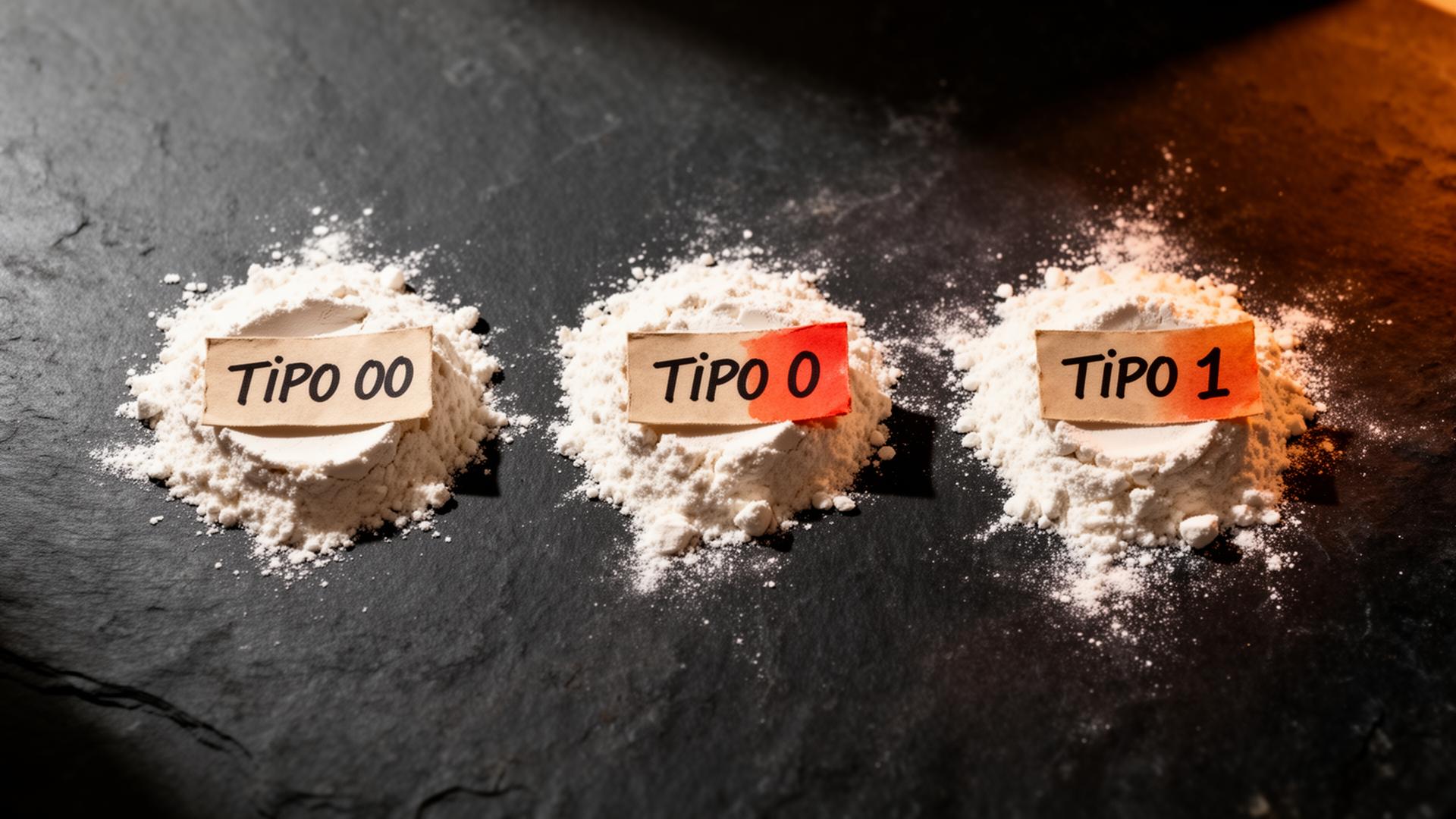
A common mistake: dusting with the same Tipo 00 you made the dough with. Fine flour absorbs water from the dough almost instantly and turns into paste — exactly like glue.

Use semola rimacinata (durum semolina). Coarser, harder grains, slower to absorb water. Acts like ball bearings between dough and peel. Cornmeal works too but burns in hot ovens and tastes gritty.

3. Dough too wet on the bottom

If your dough balls are sitting in oil, water, or have leaked sticky moisture during the cold ferment, the bottom is already pre-glued before it touches the peel. Pat the bottom briefly with extra semola before stretching.

4. Peel surface is wrong

  • Wood peel for launching: Yes. Wood has a microscopically rough surface that semola loves.
  • Metal peel for launching: No, unless it is perforated. Smooth metal needs almost no semola, but the dough sticks to the metal itself within seconds.
  • Metal peel for retrieving: Yes. Use a thin metal peel to slide under the baked pizza.

The pro setup: wooden peel to launch, thin metal peel to turn and retrieve.

5. You didn't shake-test before launching

The single best habit: before you walk to the oven, give the peel a small horizontal shake. If the pizza slides freely, you are good to launch. If it sticks even slightly, lift the edge with your fingers and dust more semola underneath. Never carry an unshaken pizza to the oven.

The Launch Sequence

  • Dust the peel with a thin, even layer of semola. Not a pile — a layer you can still see the wood through.
  • Stretch the dough on the bench, never on the peel.
  • Place the stretched disc on the peel. Confirm it slides with one quick shake.
  • Top in under 30 seconds. Sauce, cheese, basil, oil — done.
  • Final shake test. Should still slide freely. If not, lift edges and dust more.
  • Launch: Tip the peel down to the stone at a low angle. Pull the peel back fast and flat — the pizza stays.
  • If It Still Sticks at the Oven

    You have two options, in order of preference:

  • Lift the stuck section with a bench scraper or thin metal spatula, slide a pinch of semola underneath, and try again.
  • Tear and reform. If it is hopelessly glued, scrape it off, re-stretch on the bench, and start over with a clean, well-dusted peel.
  • Do not try to "shake harder" — you will tear the dough or fold it onto itself.

    Equipment Notes

    • Wooden peel: 30–35 cm wide for home pizzas. A thin tapered front edge slides under the dough. Maple or beech, not pine.
    • Conveyor / mesh peel: A modern alternative — a perforated metal peel with a conveyor belt mechanism. Pricey but eliminates sticking entirely.
    • Parchment paper hack: For the truly desperate, stretch the pizza onto parchment, slide the parchment onto the steel/stone, and pull it out after 60 seconds. Compromises crust crispness but always launches.

    The honest truth: 95% of "my pizza stuck" problems are solved by semola + speed. Master those two and the peel becomes a non-issue.
    FAQ

    Why does my pizza stick to the peel?

    The most common reason is time — water from the dough and toppings seeps into the wooden peel within 30–60 seconds and glues the pizza in place. Other causes: dusting with regular flour instead of semola, a wet dough bottom, or skipping the shake test before walking to the oven.

    What is the best flour for dusting a pizza peel?

    Semola rimacinata (twice-milled durum semolina). Its coarser, harder grains absorb water slowly and act like ball bearings between dough and peel. Regular Tipo 00 flour absorbs water almost instantly and turns to paste — exactly like glue.

    Should I use a wooden or metal peel?

    Wood for launching — its microscopically rough surface holds semola well and releases the dough easily. Thin metal for turning and retrieving baked pizzas. Smooth metal peels are bad for launching because the dough sticks to the metal itself within seconds.

    What is the shake test for pizza peels?

    Before walking to the oven, give the loaded peel a small horizontal shake. If the pizza slides freely, you are good to launch. If it sticks even slightly, lift the edge with your fingers and dust more semola underneath. Never carry an un-shaken pizza to the oven.

    Can I use parchment paper to launch pizza?

    Yes, as a last resort. Stretch the pizza onto parchment, slide the parchment onto the stone or steel, and pull it out after 60 seconds once the bottom has set. It compromises crust crispness slightly but eliminates sticking entirely. Useful for very wet doughs.

    How long can a pizza sit on a wooden peel before launching?

    30–60 seconds maximum once toppings are on. Wet sauce and cheese pull water out of the dough into the wood, and after about a minute the pizza is glued. Always have all your toppings ready before you place the dough on the peel.

    Related

    Tools You'll Use

    Make Neapolitan Dough

    Make Neapolitan Dough · 1d

    Make Neapolitan Dough

    STAY IN THE LOOP FOR BETTER PIZZA

    Tips on pizza dough, fermentation, hydration, and modern pizza styles. Plus: get free access to the first RISE Pizza Handbook PDF.