Why the Cover Matters
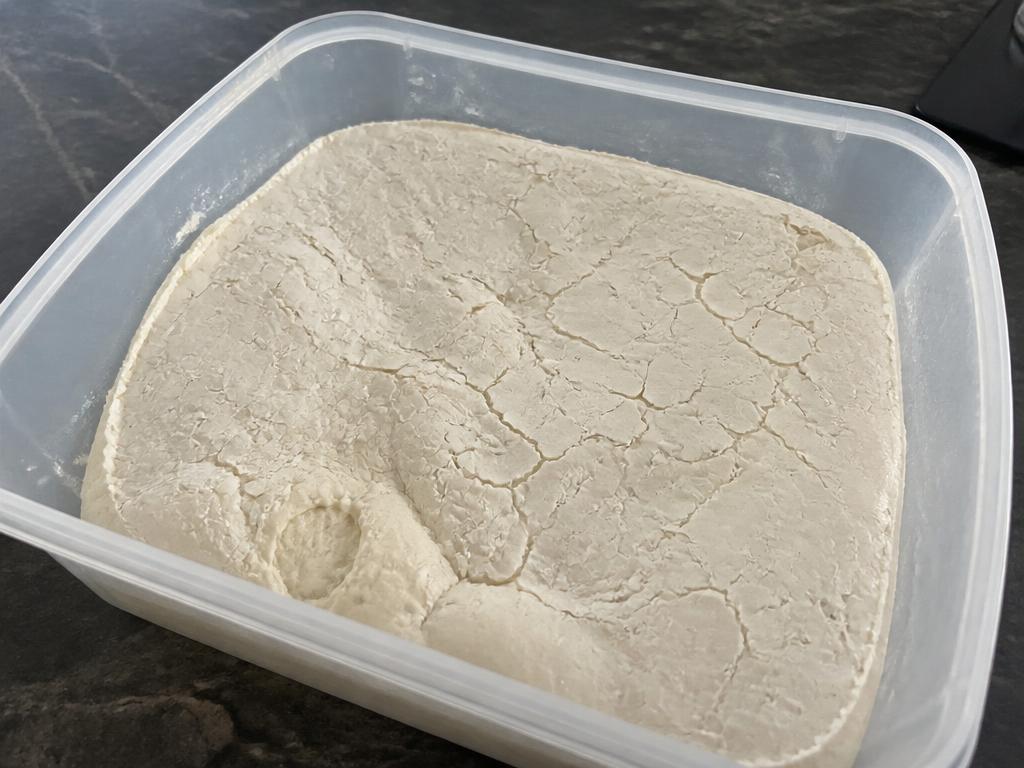
A pizza dough is half flour, half water. The moment you stop kneading, that water starts evaporating from the surface. Within 30 minutes an uncovered dough will form a dry, leathery skin — and that skin is the enemy of every pizza you want to bake.
The skin:
- Tears during stretching instead of stretching with the rest of the dough
- Stops the cornicione from puffing because dry surface = no oven spring
- Creates pale, dead spots that refuse to brown
- Adds dry flecks of crust into the crumb when you ball
So: cover your dough. Always. The only question is with what.
The Honest Ranking
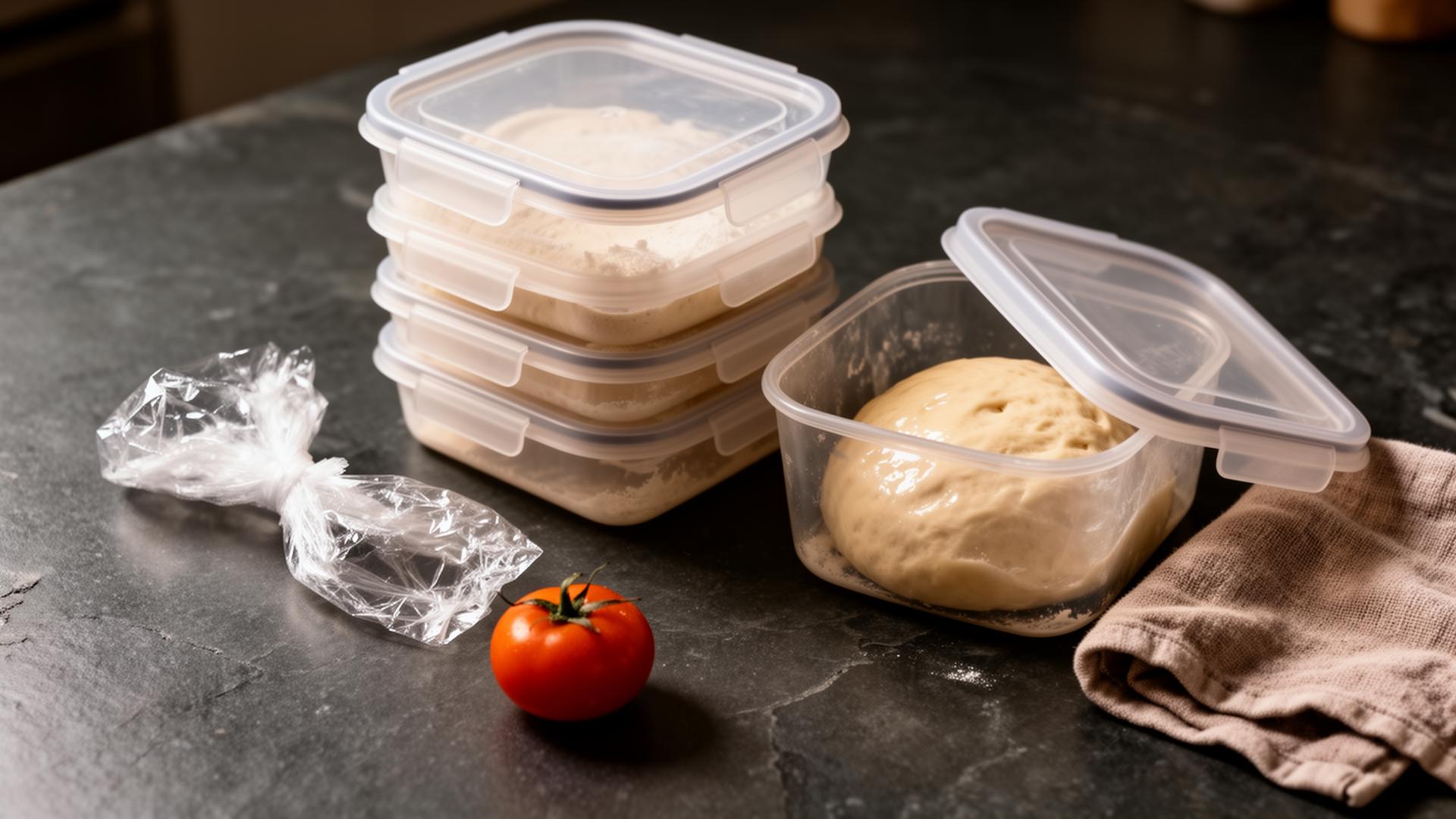
1. Airtight lidded container — Best
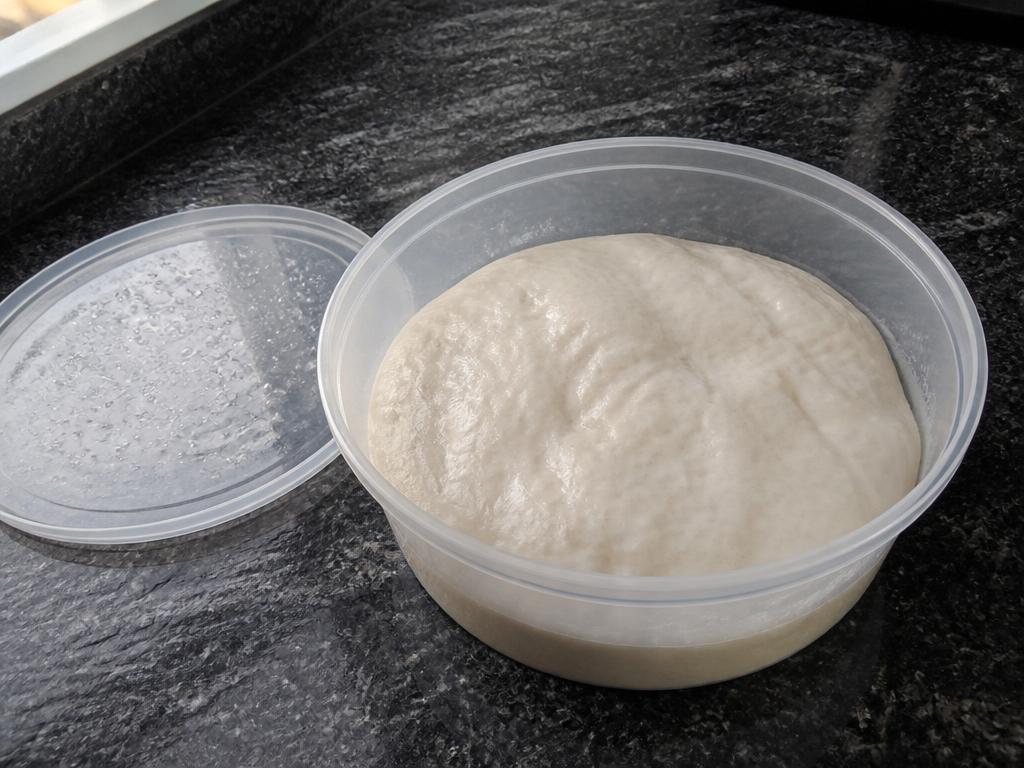
A proper proofing box (or any food container with a true airtight seal) is the gold standard. It traps the dough's own humidity, keeps the surface glossy and supple, and stacks neatly in the fridge for cold ferments.
Use when: Always, if you have one. Bonus: Square dough boxes are easier to scoop balls out of than round bowls.2. Plastic wrap (cling film) — Almost as good
Press it directly onto the dough surface, or stretch it tight across the bowl rim. Either works. The key is no air gap anywhere along the edge.
Use when: No airtight container available, or for shaped balls on a tray. Watch out for: A loose wrap is worse than nothing — air still circulates and the surface dries unevenly.3. Damp cloth — Emergency only
A clean kitchen cloth, properly wrung out so it is damp and not wet, draped tightly over the bowl. The moisture in the cloth creates a humid microclimate that slows evaporation.
Use when: No lid, no wrap. Camping. Emergency. Critical: Re-wet the cloth every 2–3 hours at room temperature. In the fridge it dries out within an hour and becomes useless — actually worse than useless, because a dry cloth wicks moisture out of the dough.Never: Dry cloth, towel or napkin
A dry cloth is an active dehydrator. It pulls moisture out of the dough by capillary action. Within an hour you will have a leathery skin — exactly the failure mode you were trying to prevent. This includes "just a paper towel" and "just a tea towel for 10 minutes." Don't.
Edge Cases
Bulk fermentation in a large bowl
Lid > taut plastic wrap pressed onto the dough surface > damp cloth (re-wet often). For long ferments (12 h+), only lid or wrap.
Individual dough balls on a tray
Best: a second tray of the same size flipped on top, or a proofing box designed for balls. Plastic wrap works but tends to droop and stick to the balls — light dusting of flour on top helps.
Sourdough starter
Loose lid or cloth with rubber band — starters need a tiny bit of gas exchange. Fully airtight will pressurize and pop.
Long cold ferment (48–72 h)
Airtight container, no exceptions. Cold air is dry air, and the fridge's fan accelerates evaporation. A damp cloth in the fridge is a recipe for a leathery brick.
Quick Decision Tree
- Do you have a proofing box with a real lid? Use it. Done.
- No box, but cling film? Press it onto the surface. Done.
- Neither? Damp (not wet) cloth, room temp only, re-wet every 2–3 hours.
- Going in the fridge? Stop. Find something airtight before you start.