Why Does My Dough Taste Too Sour?
A slightly tangy note can add complexity to pizza dough. But when it crosses into sharp, vinegary, or aggressively sour territory, something has gone wrong with your fermentation.
Understanding Sour Flavor in Dough
Sourness comes from organic acids produced during fermentation — primarily lactic acid and acetic acid. Both are normal byproducts, but their balance determines whether you get pleasant tang or unpleasant sourness.
- Lactic acid: milder, creamy, yogurt-like tang (produced more at warmer temperatures)
- Acetic acid: sharp, vinegary bite (produced more at colder temperatures and with stiffer doughs)
Cause 1: Over-Fermentation
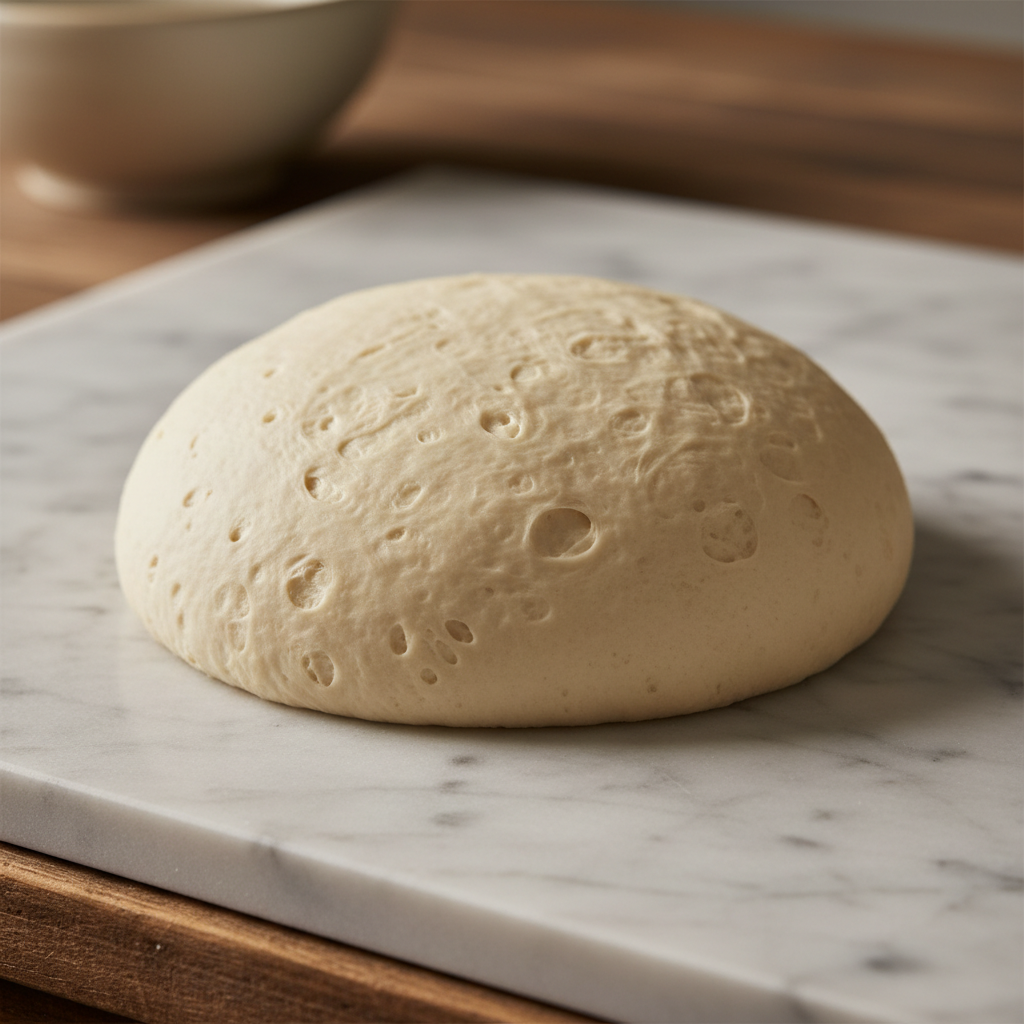
The most common cause. The longer dough ferments, the more acid accumulates. Past a certain point, the flavor tips from complex to sour.
Fix
- Reduce total fermentation time
- Use less yeast so the dough moves more slowly
- Don't let cold fermentation go beyond 72 hours unless you're experienced
- For 48h+ fermentation, keep fridge at 4°C or below
Cause 2: Temperature Too High During Cold Fermentation
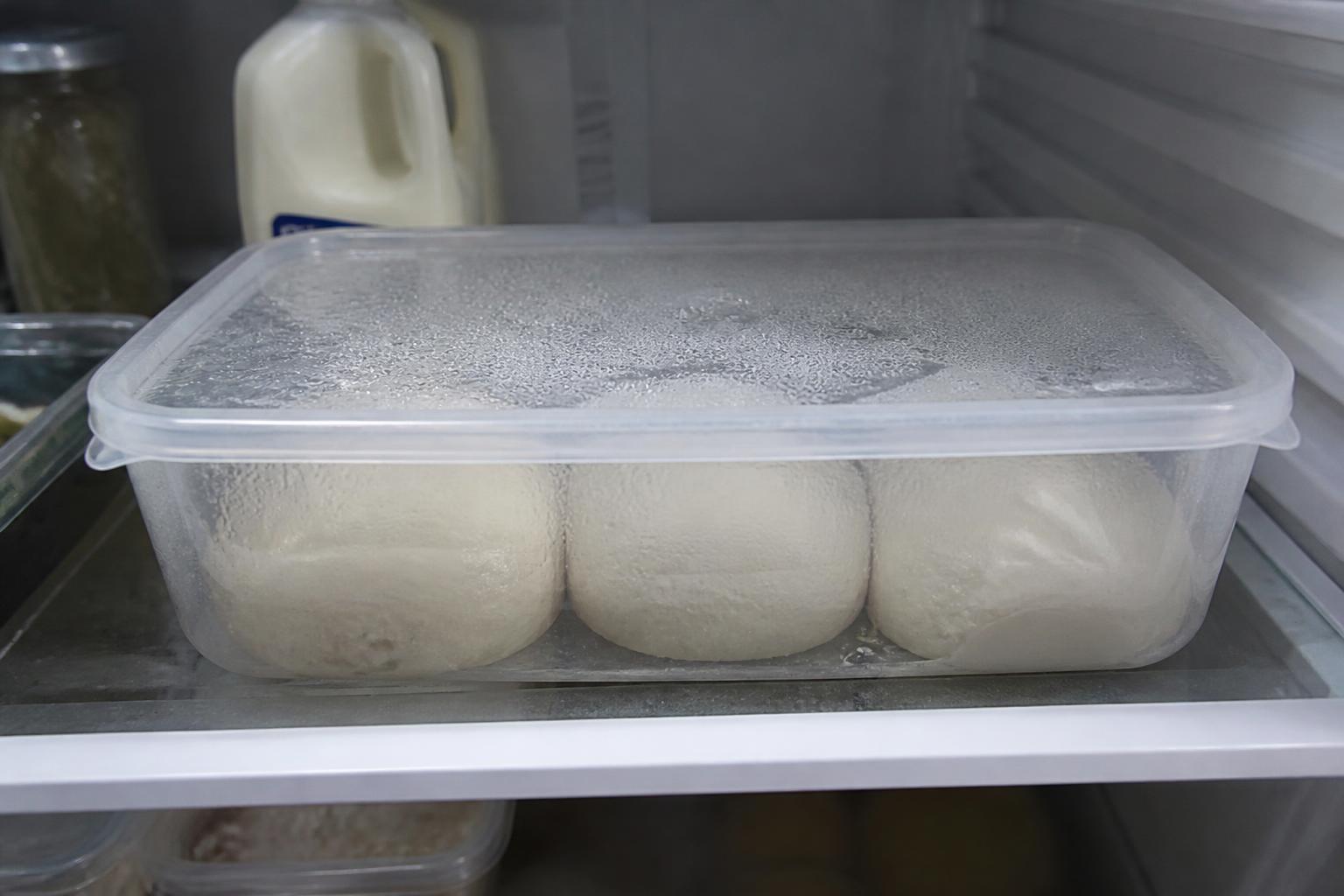
If your fridge runs warm (7–8°C instead of 3–5°C), fermentation continues faster than expected, producing excess acid.
Fix
- Check your fridge temperature with a thermometer
- Target 3–5°C for cold fermentation
- Move dough to the coldest part of the fridge (usually the back)
- Don't put warm dough directly in the fridge — it raises the internal temperature
Cause 3: Sourdough Starter Issues
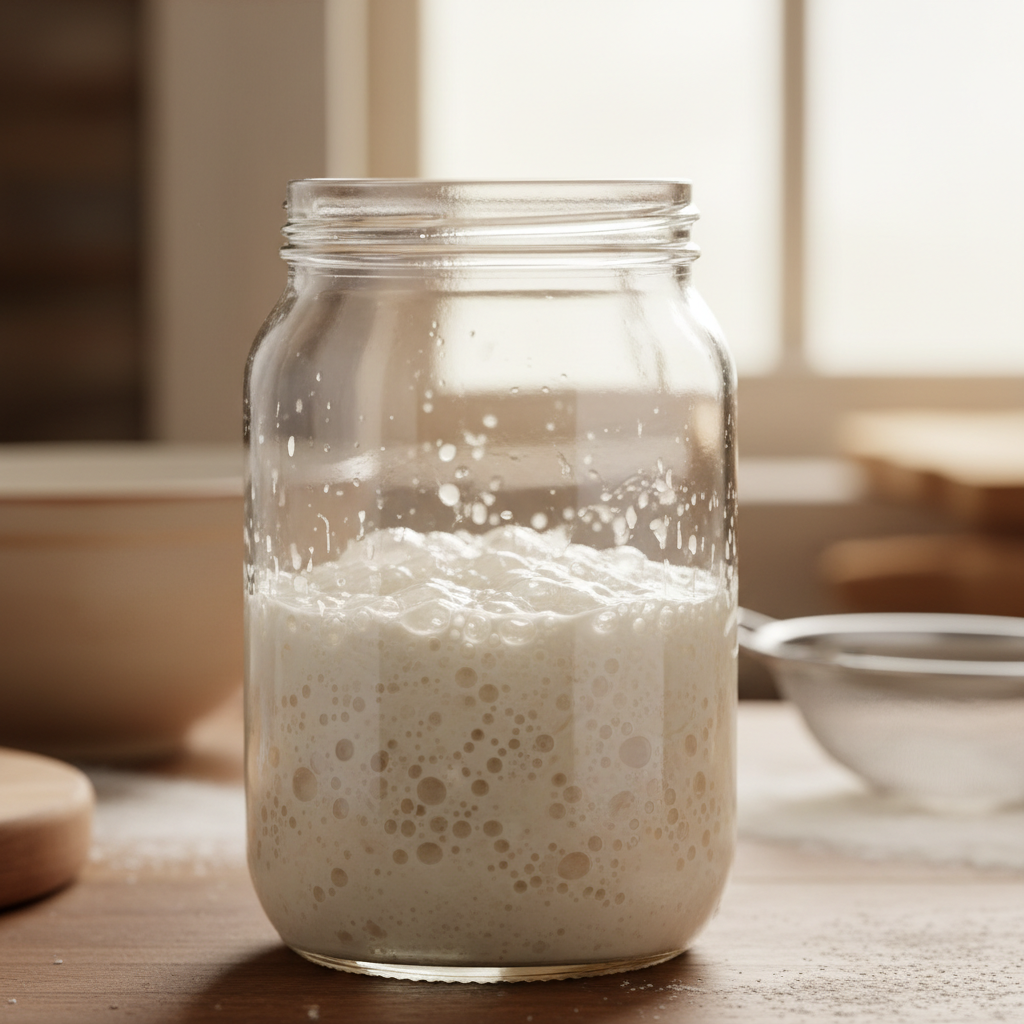
If you're using sourdough, an unbalanced or neglected starter can produce excessively sour flavors.
Fix
- Feed your starter regularly (every 12–24 hours at room temperature)
- Use the starter when it's young and active (4–6 hours after feeding, at peak)
- Don't use a starter that's been sitting unfed for days — it'll be very acidic
- Increase feeding ratio: try 1:5:5 or 1:10:10 (starter:flour:water) to dilute acidity
- Keep starter at warmer temperature (25–28°C) to favor lactic over acetic acid
Cause 4: Preferment Over-Ripe
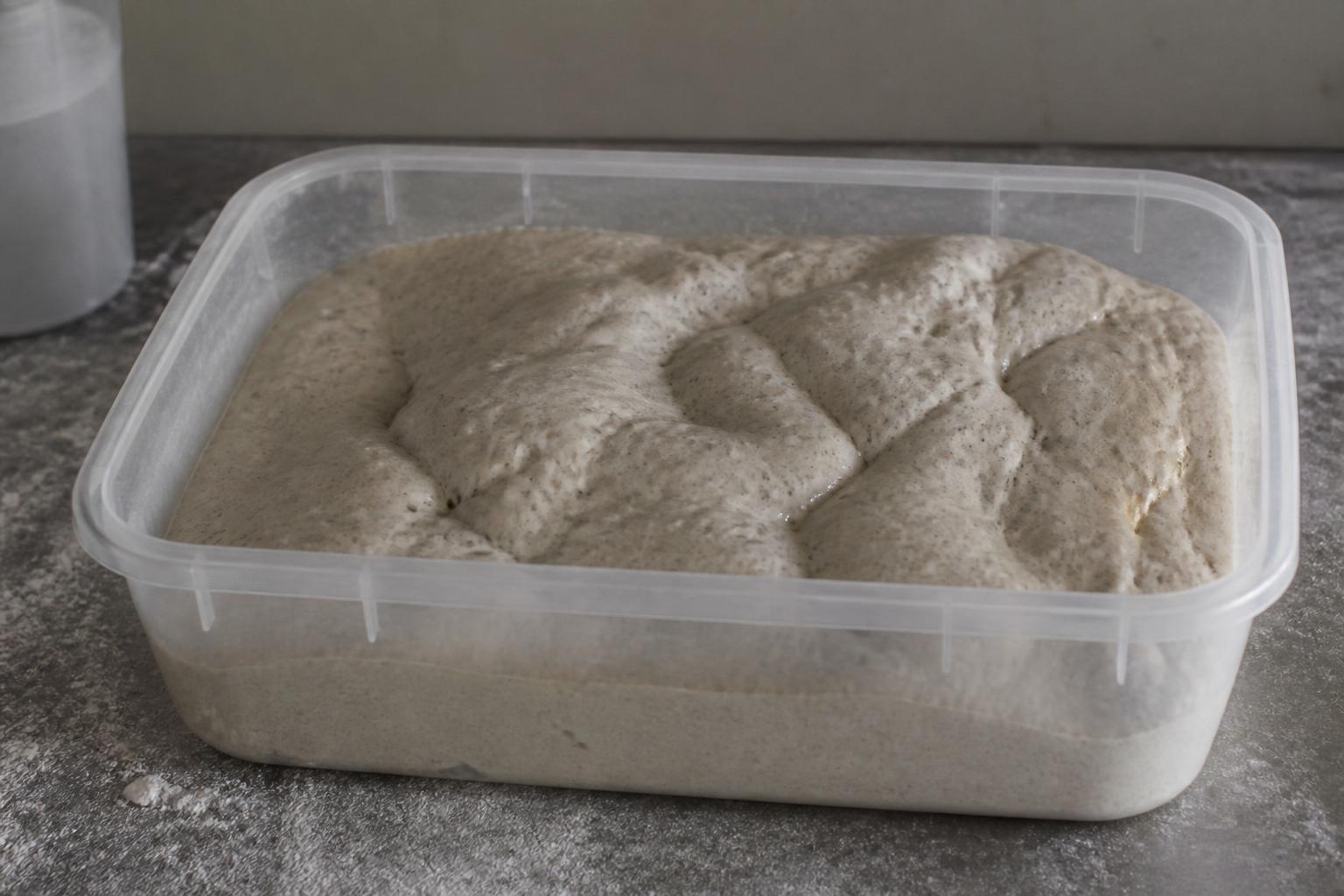
Poolish or biga that has fermented too long becomes very sour. If your preferment has collapsed and smells strongly of alcohol or vinegar, it's past its prime.
Fix
- Use poolish/biga at its peak — domed, bubbly, sweet-yeasty smell
- Don't let poolish go more than 24h at room temperature
- If it's gone too far, use a smaller percentage in your final dough (20–30% instead of 50%)
Cause 5: Too Much Preferment in Final Dough
Even a perfectly ripe preferment can make dough sour if you use too much of it.
Fix
- For a balanced flavor, use 20–40% prefermented flour (of total flour weight)
- Higher percentages (50%+) give more tang — fine for some styles, too much for others
- Reduce the amount if sourness is an issue
The Sourness Control Cheat Sheet
| Want Less Sour | Do This |
|---|---|
| Ferment shorter | Reduce total time by 20–30% |
| Colder fridge | Target 3–5°C, check with thermometer |
| Younger starter | Use at peak (4–6h after feeding) |
| Less preferment | Drop to 20–30% prefermented flour |
| Warmer starter temps | Favor lactic acid (milder) over acetic |
| More feedings | Feed starter 2x daily to reduce acidity |
When Some Sourness Is Good
A hint of tang is actually desirable in many pizza styles:
- 72h cold fermented Neapolitan: subtle complexity
- Sourdough pizza: signature character
- Roman al taglio: deeper flavor from long fermentation
The goal isn't zero sourness — it's controlled sourness that complements rather than dominates.