Poolish: The Pizza Pre-Ferment, Demystified

A poolish is the easiest pre-ferment to master. Learn how to make one and why it transforms your pizza dough.

Poolish: The Pizza Pre-Ferment, Demystified
Image sourceRISE

Quick Answer

What is a poolish?

A poolish is a wet pre-ferment made with equal parts flour and water (1:1 ratio) plus a small amount of yeast, fermented for 8-18 hours before adding to final dough.

What Is a Poolish?

A poolish is a wet pre-ferment made with equal parts flour and water (100% hydration) plus a tiny amount of yeast. It ferments for 8-18 hours before being added to your final dough.

Origin: French bakers adopted it from Polish baking traditions (hence the name). Italian pizzaioli use it extensively for Neapolitan-style dough.

Poolish vs. Biga vs. Direct Dough

The three ways pizza dough is built. Same wheat, very different behavior.

Direct doughPoolishBiga
Pre-ferment hydration100% (equal flour + water)45–50% (stiff)
Yeast in pre-ferment0.1–0.2% of pre-ferment flour0.5–1% of pre-ferment flour
Pre-ferment time12–16 h at room temp16–24 h at 16–18°C
OriginUniversalFrench / Polish bakingItalian baking
Flavor profileClean, mildly wheatySweet, mildly alcoholic, floralNutty, deeper, more assertive
Best forSame-day pizza, beginnersNeapolitan, high-hydration doughsRoman al taglio, canotto, contemporary Neapolitan
DifficultyLowLow–MediumMedium–High (temperature sensitive)
In one line: direct is easiest, poolish is the friendliest gateway to pre-ferments, biga rewards precision with the deepest flavor.

Why Use a Poolish?

  • Flavor: Complex, slightly sweet, wheaty notes
  • Texture: More open crumb, better oven spring
  • Extensibility: Dough stretches more easily
  • Shelf life: Bread stays fresh longer
  • Digestibility: Pre-fermentation breaks down more starches

Basic Poolish Recipe

For a poolish that represents 30-50% of your total flour:

IngredientAmount
Flour250g
Water250g
Yeast0.5g fresh (0.15g dry)

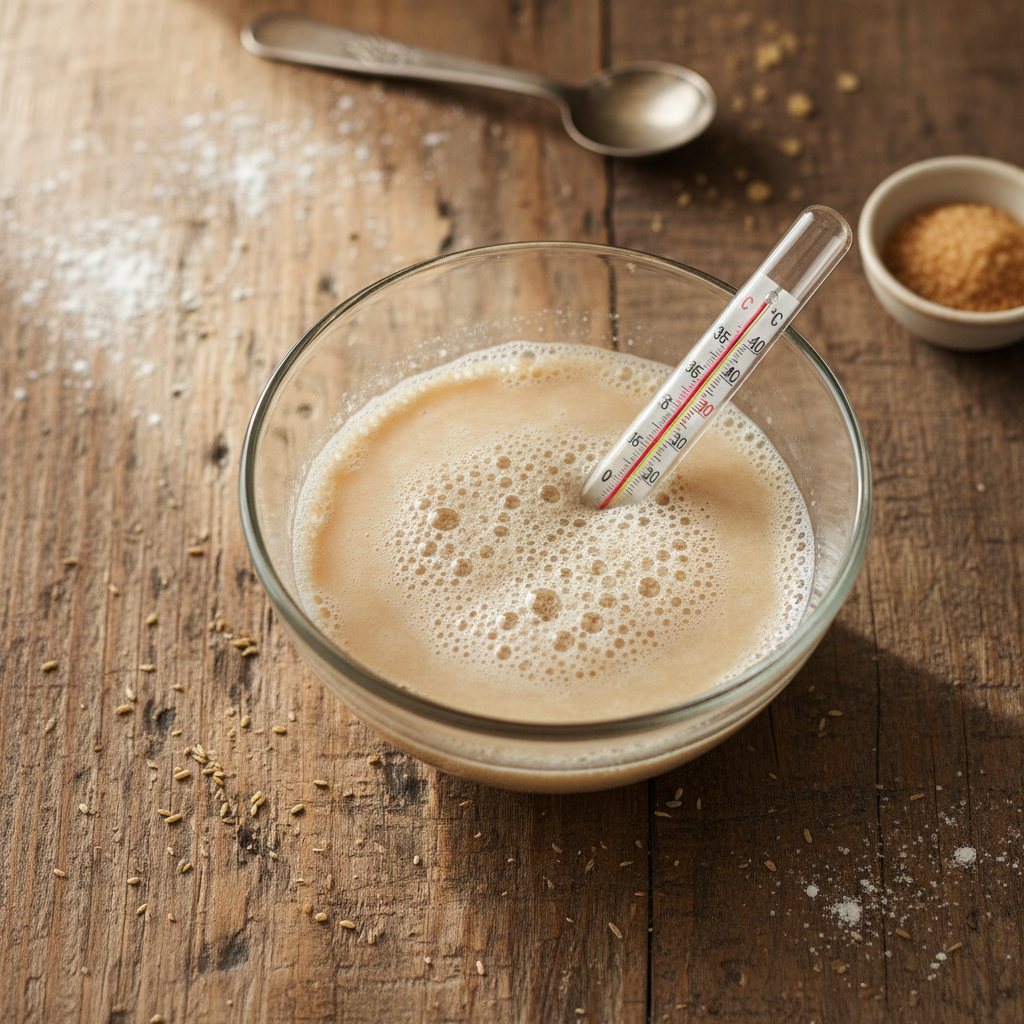
Mix everything in a container. Cover loosely. Leave at room temperature (20-22°C) for 12-16 hours.

How to Know It's Ready

What Actually Happens in a Poolish

The 12–16 hour rest is not just "yeast makes gas". Three things happen in parallel and they explain every benefit above:

  • Enzymatic activity. Flour contains amylase and protease enzymes that are dormant in dry flour. Once the flour is fully hydrated, amylase starts breaking down starch into simpler sugars, and protease partially breaks down gluten proteins. The dough becomes measurably more extensible and slightly sweeter — without you doing anything.
  • Slow, cool fermentation. With only 0.1–0.2% yeast, the population grows slowly and steadily, producing a wider range of aromatic byproducts (esters, organic acids, ethanol) than a fast, warm ferment.
  • Mild acidification. Lactic and acetic bacteria naturally present in flour start contributing acids, which strengthen gluten in the final mix and add complexity — without turning the dough sour the way an over-fermented sourdough would.
  • This is why a poolish-based dough smells like a bakery before it even hits the oven.

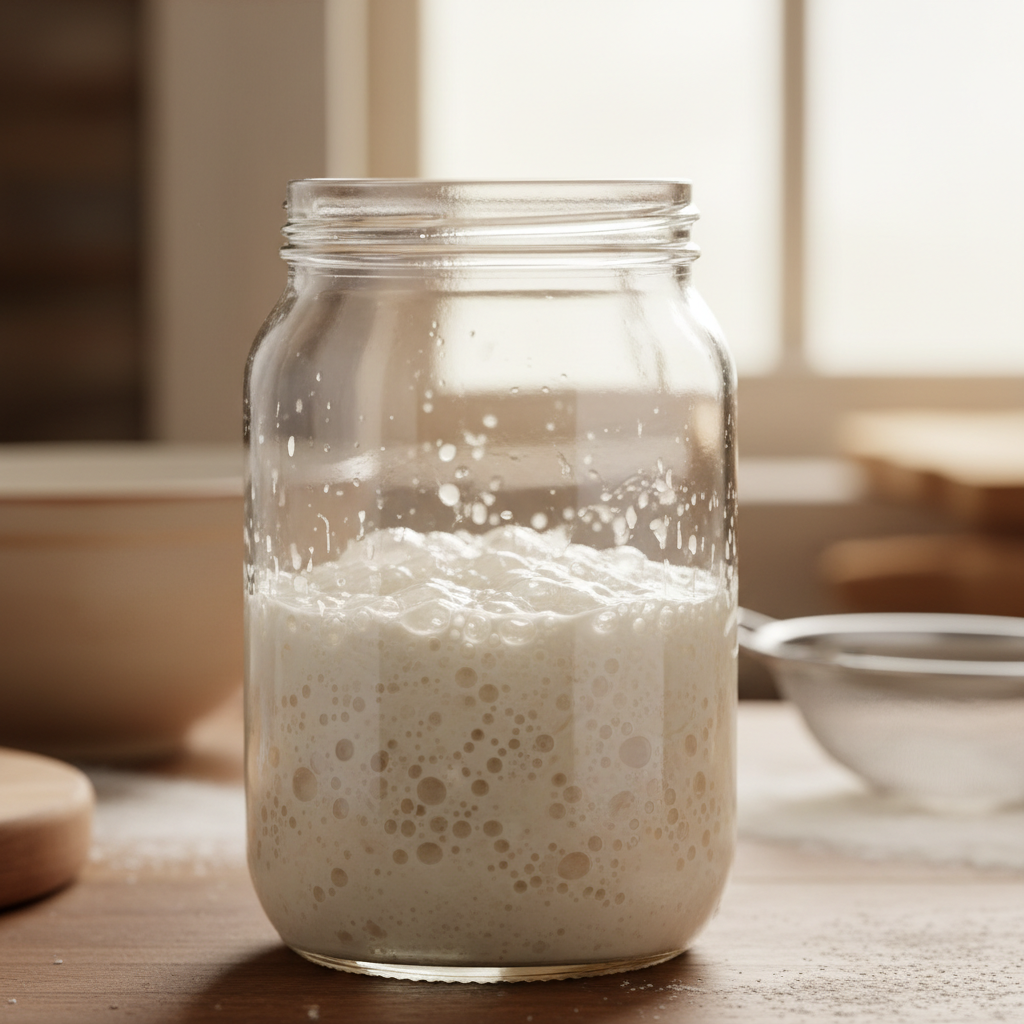
    A mature poolish:

    • Has doubled or tripled in volume
    • Surface is domed and covered with small bubbles
    • Smells sweet, yeasty, slightly alcoholic
    • Just starting to collapse slightly in the center
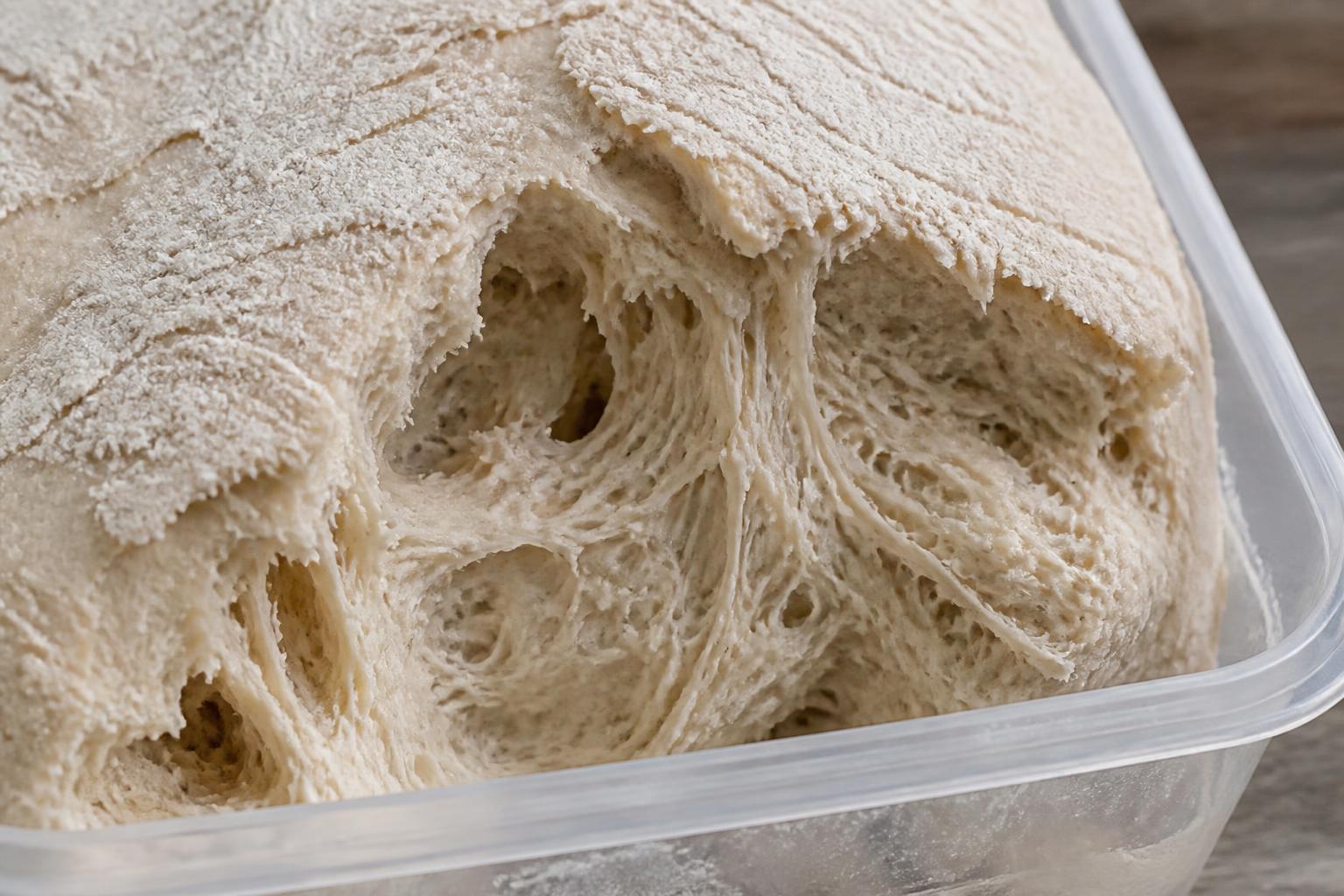
    Under-ripe: Smooth surface, no bubbles, still smells like raw flour. Over-ripe: Fully collapsed, very liquid, strong alcohol smell, sour.

    Using Your Poolish

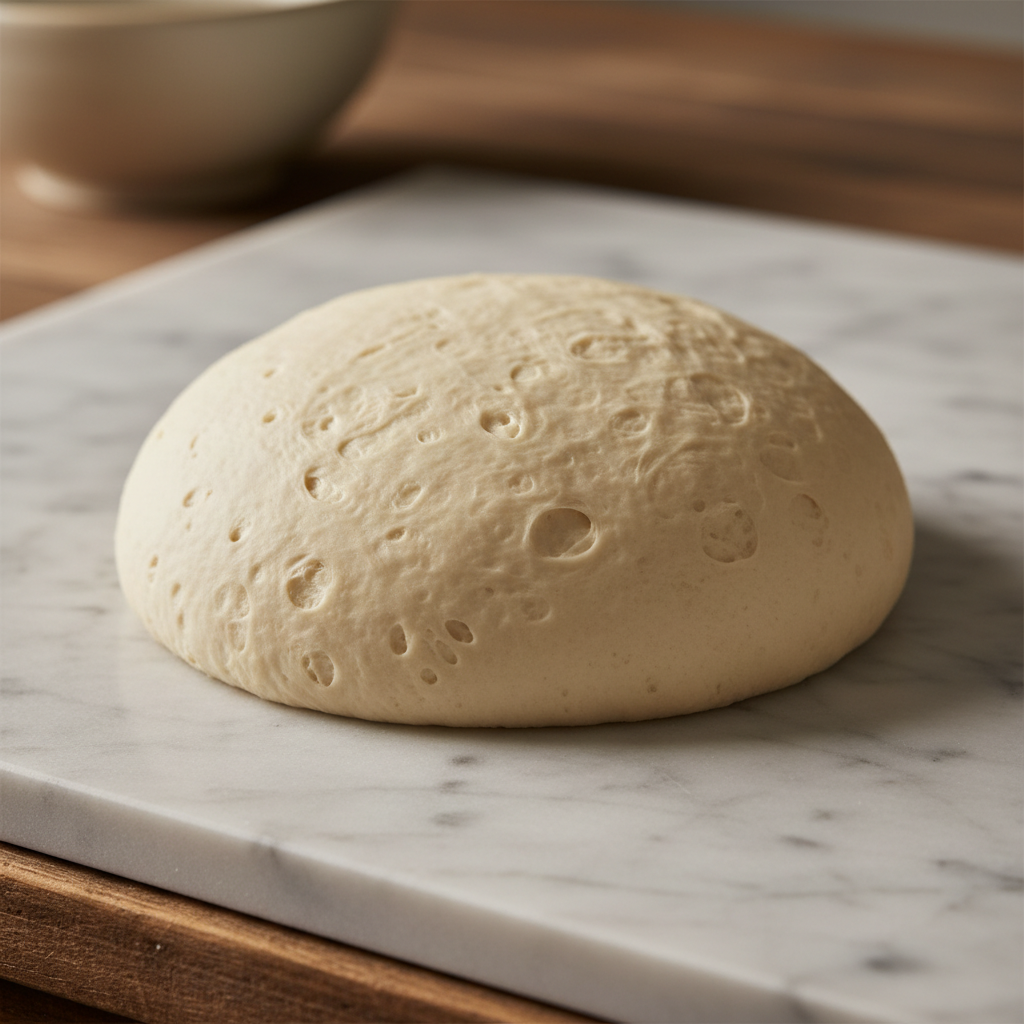
    Add the entire poolish to your remaining flour, water, salt, and yeast. The poolish replaces that portion of flour and water from your total recipe. Knead until smooth.

    Temperature Tips

    Room TempYeast AmountReady In
    18-20°C0.8g fresh14-18h
    20-22°C0.5g fresh12-16h
    22-25°C0.3g fresh8-12h

    Common Mistakes

    • Too much yeast: Poolish matures too fast, becomes acidic
    • Sealed container: CO2 needs to escape; cover loosely
    • Using it too late: Once it's fully collapsed, it's past its prime
    • Wrong ratio: Poolish must be 1:1 flour:water by weight
    FAQ

    What is a poolish?

    A poolish is a wet pre-ferment made with equal parts flour and water (1:1 ratio) plus a small amount of yeast, fermented for 8-18 hours before adding to final dough.

    How long does a poolish take?

    At room temperature (20-22°C), a poolish typically takes 12-16 hours to mature. Warmer temperatures speed this up, cooler temperatures slow it down.

    How do I know when my poolish is ready?

    It should have doubled or tripled in size, have a bubbly, domed surface, and smell sweet and slightly alcoholic. If it has collapsed, it is over-ripe.

    Poolish vs. biga — which is better?

    Neither is objectively better; they solve different problems. Poolish (100% hydration, 0.1–0.2% yeast, 12–16 h at room temp) is easier to handle, produces sweeter, floral aromas and slots into almost any pizza style. Biga (45–50% hydration, more yeast, 16–24 h at 16–18°C) is temperature-sensitive but gives a deeper, nuttier, more assertive flavor — the classic move for Roman al taglio, contemporary Neapolitan and canotto. Start with poolish; move to biga once you can hold a stable 18°C for a full day.

    Tools You'll Use

    Next

    Make Neapolitan Dough

    Make Neapolitan Dough · 2d

    STAY IN THE LOOP FOR BETTER PIZZA

    Tips on pizza dough, fermentation, hydration, and modern pizza styles. Plus: get free access to the first RISE Pizza Handbook PDF.